


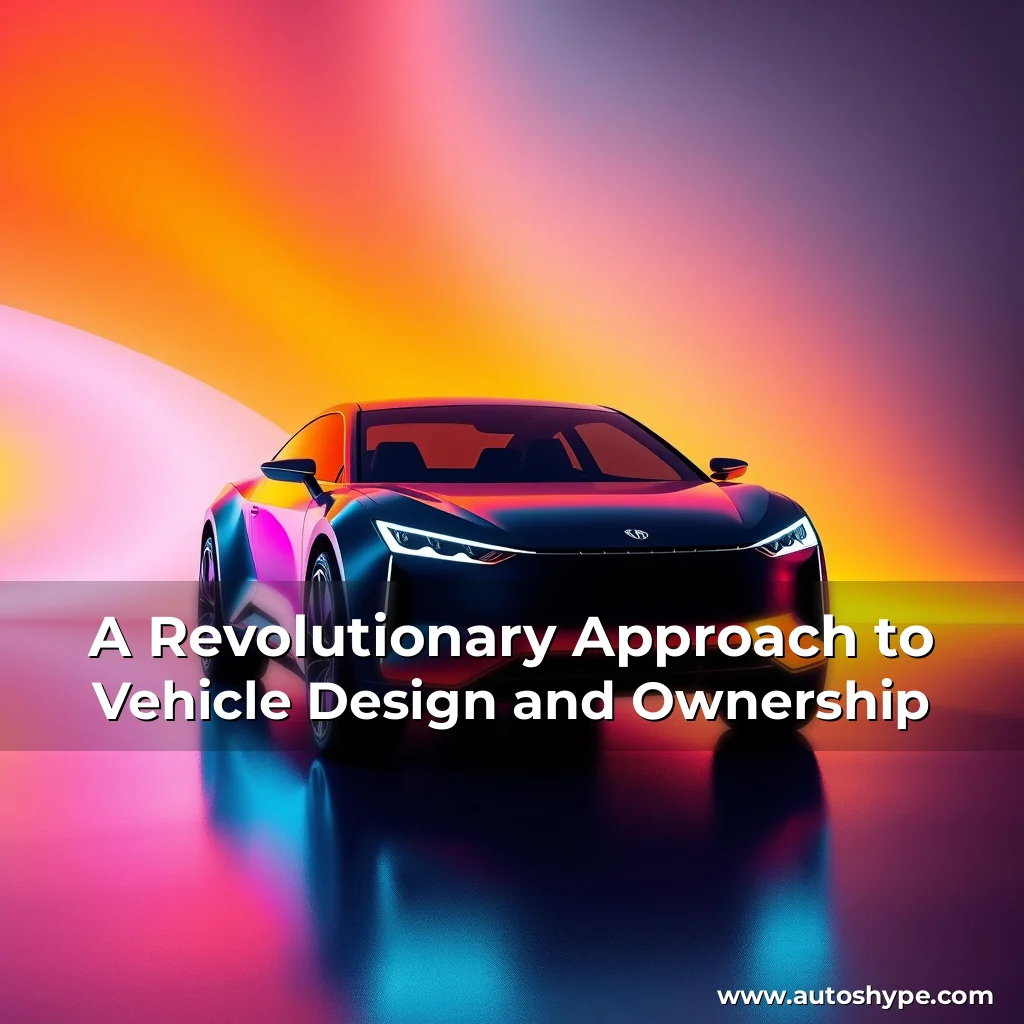
Slate Auto, a Michigan-based startup, is set to shake up the American automotive industry with its innovative approach to vehicle design, manufacturing, and ownership. The company’s flagship product, the Slate Truck, is a compact, electric pickup that challenges conventional norms in the industry. The Slate Truck’s simplicity and affordability are its defining features. With a target price under $20,000 after federal incentives, the two-seater is positioned as an alternative to the current crop of electric vehicles. The company’s leadership is committed to redefining what “affordable” means in the context of American car ownership, promising to deliver low-cost vehicles that have long been discussed but rarely materialized. The Slate Truck’s design philosophy is equally unconventional. Its head of design, Tisha Johnson, describes the inspiration as a “battle-scarred shark,” embracing visible wear and tear rather than hiding it. The truck’s body panels are made from injection-molded polypropylene composite, a durable, unpainted plastic that resists scratches and dings, reducing costs and simplifying production. This approach harks back to the Saturn cars of the 1990s, whose plastic panels never quite caught on, but Slate is betting that today’s drivers will appreciate the rugged, utilitarian aesthetic. The company encourages owners to personalize their vehicles with vinyl wraps and add-on kits, making customization central to the Slate Truck’s identity. Slate plans to offer do-it-yourself kits for these modifications, allowing owners to change the truck’s appearance as often as they like. Beyond aesthetics, the company will sell upgrade kits to convert the truck into an SUV, adding extra seating and safety features that meet federal crash standards. The manufacturing process is a key part of Slate’s design choices. The company can assemble vehicles in a smaller, more efficient factory near Indiana by eliminating paint shops and metal stamping. Most of the supply chain is based in the United States, further streamlining logistics. Slate will produce just one version of the truck, with all options and upgrades handled after the fact. This lean approach is also a key part of Slate’s business model. The company will reach cash flow positivity shortly after production begins, making it less reliant on outside investment than typical electric vehicle startups. Slate has attracted high-profile backers, including Amazon founder Jeff Bezos, although the company has clarified that it has no direct connection to Amazon. Inside the Slate Truck, the absence of a touchscreen, radio, or Bluetooth is intentional. Instead, the company has designed the interior to be easily upgradable, inviting owners to install audio or media solutions. The absence of a built-in entertainment system is cited by industry data as a leading source of warranty claims. Safety remains a priority, with the truck equipped with a suite of active safety features, including automatic emergency braking with pedestrian detection and automatic high beams. The company is targeting top safety ratings from the federal government and the Insurance Institute for Highway Safety. Slate also embraces the right-to-repair movement by making maintenance as accessible as possible. Owners will be encouraged to perform routine service and even warranty repairs, supported by a program called Slate University, which will offer instructional videos and a helpline. For those less inclined to DIY, Slate has partnered with nationwide service centers to provide professional support and handle upgrades, such as installing an extended-range battery to boost the truck’s range to 240 miles.


news is a contributor at AutosHype. We are committed to providing well-researched, accurate, and valuable content to our readers.
You May Also Like

Automotive Industry: Essential Tools and Resources
The Future is Now: How Innovation is Reshaping the Automotive Landscape In an era defined by rapid technological advancement and...

Automotive Industry Step-by-Step Tutorial
The Evolution of the Automotive Industry: From Horseless Carriages to Autonomous Vehicles The automotive industry has undergone a remarkable transformation...

Automotive Industry on a Budget: Money-Saving Tips
The Evolution and Future of the Automotive Industry: Innovations Shaping Tomorrow's Roads The automotive industry stands at the crossroads of...

Best Automotive Industry Tips and Strategies
The Future of Innovation in the Automotive Industry In an era where technology converges with mobility, the automotive industry stands...