


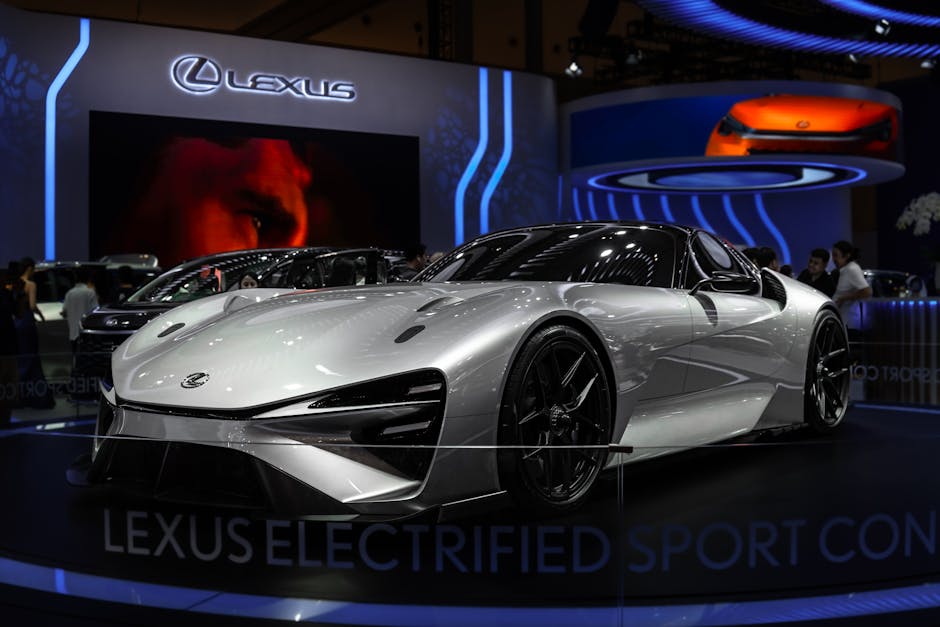
Powering Tomorrow’s Roads: A Deep Dive Into Electric Vehicle Innovation
The world of automotive innovation is undergoing a seismic shift, driven by the rise of electric vehicles (EVs). From sleek city cars to rugged performance machines, EVs are redefining what we expect from our wheels—and our planet.
This guide explores the cutting-edge technology, evolving markets, and transformative impact of electric vehicles, designed for enthusiasts eager to stay ahead of the curve.
The Evolution of Electric Vehicles: From Niche Curiosities to Mainstream Dominance
Electric vehicles are far from new, yet their resurgence marks a pivotal moment in transportation history. Early prototypes date back to the 19th century, but recent advancements in battery efficiency and renewable energy integration have catapulted EVs into mainstream consciousness.
Today, global automakers—from legacy giants like Tesla to traditional manufacturers such as Ford and Toyota—are investing billions into electrification strategies. This race reflects not only consumer demand but also regulatory pressures targeting carbon neutrality goals.
Critics once dismissed EVs as impractical due to limited range and sparse charging networks. However, innovations like fast-charging stations, extended battery life, and AI-driven route optimization have shattered these myths.
- Battery Technology Breakthroughs: Lithium-ion batteries now offer higher energy density, faster charge times, and improved durability compared to earlier models.
- Regulatory Pushes: Governments worldwide are implementing bans on fossil-fuel vehicles by 2030–2040, accelerating industry adoption.
How Do Electric Vehicles Work? Decoding the Tech Beneath the Hood
An electric vehicle operates fundamentally differently from conventional gasoline-powered cars. Instead of an engine, an EV uses an electric motor powered by a rechargeable battery pack.
Energy stored in the battery flows to the motor, which drives the wheels. Regenerative braking—a feature found in most modern EVs—recaptures kinetic energy during deceleration, enhancing overall efficiency.
The Role of Software in Modern EVs
Software defines the driving experience in EVs, controlling everything from acceleration curves to thermal management systems. Over-the-air updates continuously refine performance, adding new features without requiring physical visits to dealerships.
Vehicles like the Tesla Model S showcase how software integration transforms a car into a dynamic platform, allowing users to customize settings via mobile apps or voice commands.
Performance Unleashed: Why EVs Outshine Gas-Powered Competitors
Electric motors deliver instant torque, giving EVs superior acceleration compared to internal combustion engines. This characteristic makes them ideal for sports cars and everyday commuting alike.
Consider the Porsche Taycan or the Chevrolet Bolt EUV: both combine rapid response times with smooth power delivery, challenging perceptions that EVs lack sportiness.
Additionally, EVs operate silently, reducing noise pollution and creating a serene driving environment. This contrast with the roar of traditional engines highlights another advantage of electric propulsion.
The Environmental Impact: Cleaner Air, Fewer Emissions
Electric vehicles significantly reduce greenhouse gas emissions, especially when charged using renewable energy sources like solar or wind power. Studies show that even on grids reliant on coal, EVs emit less than their fuel-based counterparts over their lifespan.
Moreover, EVs eliminate tailpipe pollutants entirely, improving air quality in urban areas plagued by smog and particulate matter from diesel engines.
While manufacturing batteries does involve resource extraction, ongoing research into recycling programs and sustainable mining practices aims to minimize ecological footprints further.
Challenges Ahead: Range Anxiety, Charging Infrastructure, and Cost Barriers
Rapid progress doesn’t erase existing hurdles. Many consumers remain hesitant due to perceived limitations in driving range and the availability of charging stations.
Though most modern EVs boast ranges exceeding 200 miles on a single charge, extreme weather conditions or aggressive driving styles can shorten this distance. Innovations in thermal management aim to mitigate these issues.
Public and private investments in charging networks are expanding rapidly, with Level 3 DC fast chargers capable of replenishing 80% of a battery in under 30 minutes. Still, rural regions lag behind metropolitan areas in accessibility.
The upfront cost of EVs remains a barrier despite long-term savings on fuel and maintenance. Government incentives, however, are helping bridge this gap for many buyers.
The Future Is Autonomous: How EVs Are Pioneering Self-Driving Technology
Autonomous driving technology is closely tied to the evolution of electric vehicles. EVs’ simplified mechanical design allows easier integration of sensors, cameras, and computing hardware essential for self-driving capabilities.
Companies like Waymo and Cruise leverage electric platforms to develop autonomous ride-hailing services, hinting at a future where driverless EVs dominate city streets and highways.
Furthermore, the absence of a traditional transmission system in EVs reduces complexity, making them ideal candidates for fully automated operation without compromising reliability or safety standards.
Design Revolution: Styling and Engineering Redefined
The absence of a bulky engine compartment allows designers greater freedom in shaping EV exteriors. Sleek profiles, panoramic glass roofs, and aerodynamic contours define many contemporary models.
Interior spaces benefit similarly, with fewer components needing ventilation or cooling. This enables minimalist layouts featuring expansive screens, ergonomic seating, and luxurious materials previously reserved for luxury segments.
Some manufacturers experiment with modular interiors, allowing passengers to adjust configurations dynamically based on usage scenarios—from family outings to solo commutes.
Safety First: Advancements in Crash Protection and Active Systems
Modern EVs prioritize occupant safety through reinforced structures, crumple zones optimized for electrical systems, and advanced driver-assistance systems (ADAS).
Collision avoidance technologies—including automatic emergency braking and lane-keeping assist—have become standard across mid-range to premium models, drastically reducing accident rates.
Batteries are encased in protective shells and strategically placed low to the chassis for enhanced stability during crashes. Fire suppression systems also address risks associated with lithium-ion packs.
Ownership Experience: Maintenance, Costs, and Lifestyle Shifts
Owning an EV often translates to lower operating expenses thanks to reduced fuel and maintenance costs. With no oil changes, spark plugs, or exhaust systems, routine servicing becomes much simpler.
Parking perks abound in cities offering preferential treatment to EV drivers, including discounted fees or access to designated lanes. Some municipalities even provide free public transit passes to registered owners.
However, the transition involves learning new routines, such as monitoring battery health, understanding charging schedules, and managing home energy consumption efficiently.
The Road Ahead: Trends Shaping the Next Decade of EVs
Forthcoming years promise groundbreaking developments, from solid-state batteries with unprecedented energy densities to vehicle-to-grid (V2G) technologies enabling bidirectional energy exchange.
Wireless charging pads embedded in roads may soon render plug-in cables obsolete, while AI-powered predictive maintenance will ensure optimal performance before issues arise.
Governments and corporations continue pushing toward net-zero targets, ensuring sustained investment in clean mobility solutions. As innovation accelerates, the boundaries of what EVs can achieve expand daily.
Conclusion
Electric vehicles represent more than just a trend—they signify a fundamental transformation in how humanity interacts with personal transport. Their blend of sustainability, performance, and technological sophistication positions them as cornerstones of tomorrow’s mobility landscape.
If you’re seeking a vehicle that aligns with your values, embraces innovation, and offers unmatched versatility, exploring the world of electric cars is not merely advisable—it’s inevitable.


news is a contributor at AutosHype. We are committed to providing well-researched, accurate, and valuable content to our readers.
You May Also Like


The UK's Auto Manufacturing Industry in Crisis
The UK’s auto manufacturing industry is facing a severe crisis, with production levels at their lowest in over 70 years....
Zapp Electric Vehicles Group NASDAQ : ZAPP Trading Down 9 7 Here Why
The company's shares have been declining steadily over the past few months, with a 10.3% drop in the last quarter...
The Best UK Road Trips for Electric Vehicle Owners
The UK's scenic coastline is renowned for its breathtaking views and rich history. However, with the growing popularity of electric...
Electric Vehicles: Essential Tools and Resources
The Future is Electric: A Deep Dive Into Electric Vehicle Technology and Ownership In an era defined by climate change...