


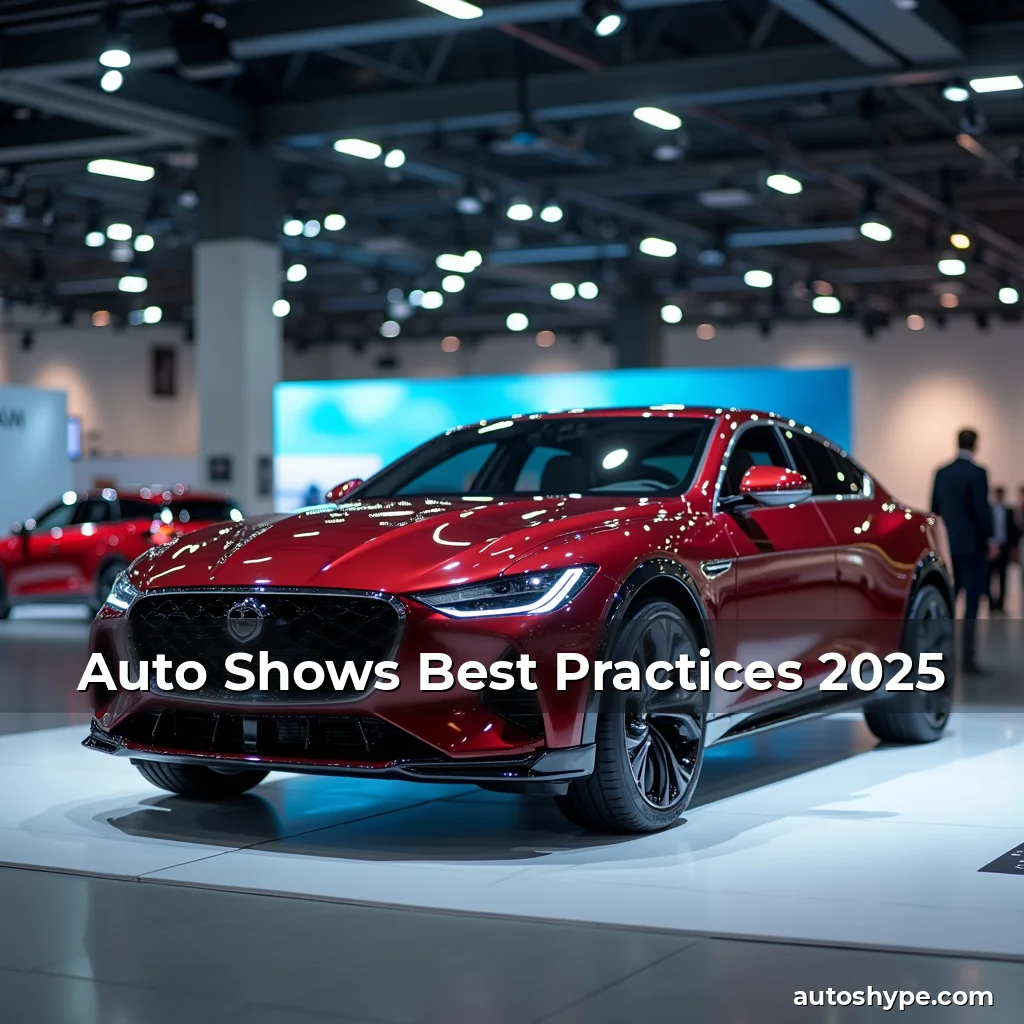
Auto Shows Best Practices 2025
In 2025, auto shows have evolved beyond traditional displays of vehicles to become immersive experiences that blend technology, sustainability, and innovation. Whether you’re a seasoned collector or a first-time visitor, understanding these best practices can elevate your experience at any major event.
The modern auto show is now a hub for industry insiders, tech innovators, and car aficionados alike, offering sneak peeks at upcoming models while fostering discussions around future mobility solutions.
Understanding the Auto Show Landscape in 2025
The global auto show circuit has grown exponentially since its inception in the early 20th century. In 2025, over 50 international events take place annually across continents, each tailored to different regions’ preferences and emerging technologies.
Pioneering nations like Germany and Japan continue leading the way with their biannual showcases, while South Korea’s annual Seoul Motor Show highlights electric vehicle advancements alongside conventional powertrains.
Nations are beginning to phase out internal combustion engines from display floors by 2026, signaling an inevitable shift towards electrification that even heritage automakers must now embrace during exhibitions.
This transition creates opportunities for attendees to witness firsthand how brands balance tradition with cutting-edge innovations in both design language and propulsion systems.
- Sustainability initiatives: Many venues incorporate renewable energy sources such as solar panels powering exhibition lighting and charging stations for attendee EVs.
- Digital integration: Augmented reality features allow visitors to explore engine compartments virtually without opening hood lines, enhancing safety while preserving aesthetic presentation.
- Interactive demos: Manufacturers provide hands-on testing areas where guests can simulate driving conditions using haptic feedback seats and motion capture technology.
- Virtual participation: With hybrid formats becoming standard, remote viewers can access live-streamed sessions and virtual tours through dedicated apps featuring real-time Q&A capabilities with engineers.
Preparing for Your Auto Show Experience
Researching events before attending ensures you maximize your time among hundreds of exhibits. Key factors include location accessibility, ticket availability windows, and special guest appearances scheduled within specific days.
Making hotel reservations well ahead guarantees proximity to exhibition halls and avoids last-minute surges in prices near popular show dates. Some luxury hotels offer exclusive shuttle services directly to venue entrances.
Ticket types vary significantly between events; general admission allows floor access only whereas VIP packages grant entry to private preview hours and closed-door technical briefings held behind secured barriers.
For those unable to attend physically, many organizers offer digital passes granting full access to video archives, downloadable brochures, and webinars discussing key technological breakthroughs showcased during the event period.
Smartphone applications accompanying major shows serve dual purposes- they function as electronic tickets while also providing personalized schedules based on user interests collected through pre-event surveys and past attendance history.
The Evolution of Automotive Exhibitions Through Innovation
Over decades, auto shows have transformed from simple dealership setups displaying new inventory to technologically advanced platforms demonstrating tomorrow’s transportation solutions today.
Early exhibitions featured flatbed trucks arriving daily with fresh stock arrivals, but contemporary events utilize modular display units enabling rapid reconfiguration according to brand-specific themes and interactive zones.
Design trends reflected by exhibit layouts increasingly emphasize sustainability markers such as recycled materials used in booth construction, energy-efficient LED signage replacing neon boards, and carbon-neutral shipping logistics for imported displays.
Immersive experiences have become standard practice; rather than static presentations, manufacturers invest heavily in creating kinetic environments where attendees walk through concept cars powered entirely by battery packs or interact with AI assistants showcasing various configurations.
Data analytics play crucial roles in optimizing visitor flow patterns; thermal imaging cameras track movement hotspots which help curate traffic management plans ensuring equal exposure for all exhibited models regardless of placement order.
Finding Your Niche Within Auto Show Spectrums
AUTO SHYPS’ readers will find value in distinguishing between specialized event categories that cater differently depending on primary interests in mechanical engineering versus artistic expression aspects of motorcars.
Performance-focused gatherings spotlight supercars and motorsports prototypes, often hosted at racetracks with drift courses set up alongside pit lane walkthroughs allowing close inspection of aerodynamic components.
Vintage collections dominate nostalgia-oriented conferences, where restorers demonstrate handcrafted techniques while vintage racing teams conduct live demonstrations replicating classic Grand Prix circuits under controlled conditions.
Beyond conventional classifications exist niche showcases emphasizing off-road capabilities, autonomous vehicle developments, or hyper-luxury segments targeting bespoke clientele through invitation-only previews.
Attendees interested solely in electric vehicles might benefit most from specialized E-mobility summits featuring test drive lanes equipped with simulated road textures representing diverse climates and terrain challenges worldwide.
Crafting Memorable Experiences At Major Events
Creativity defines standout moments experienced at elite automobile exhibitions, particularly when exhibitors push boundaries through unconventional marketing strategies aimed at leaving lasting impressions.
Some companies employ sensory branding techniques incorporating scent diffusers matching interior fragrances found inside their latest models or ambient music tracks derived from the soundscapes generated by engine performance profiles.
Leveraging social media engagement proves critical nowadays; top-tier marques dedicate entire pavilions serving as influencer hubs complete with professional-grade photography studios and livestreaming booths for immediate platform sharing.
Behind-the-scenes factory visits remain highly sought-after perks available exclusively through curated programs that require advance registration several months prior to event commencement.
Participants who engage actively with augmented reality elements embedded within display units gain privileged access to hidden features normally restricted due to proprietary software limitations placed upon production-ready vehicles.
Technology Integration Across Exhibition Formats
Advanced technologies redefine interactions occurring between attendees and displayed automobiles throughout the yearlong event cycle leading up to grand unveilings.
Artificial intelligence plays pivotal roles in personalization efforts; intelligent recommendation algorithms suggest compatible accessories based on viewer behavior captured via facial recognition systems linked directly to RFID-enabled wristbands worn by registered participants.
Internet-of-things connectivity facilitates smart scheduling updates automatically adjusting exhibit routing maps whenever unexpected delays occur affecting planned visitation sequences established beforehand.
Drone-assisted inspections represent another emerging trend; miniaturized aerial devices scan exterior finishes detecting minute imperfections invisible to human eye yet significant enough requiring attention prior final detailing procedures.
Holographic projectors enable seamless transitions between physical exhibits and virtual models, allowing comparisons between current market offerings against hypothetical future designs proposed by designers participating remotely.
Building Connections Beyond Automobile Displays
Networking possibilities extend far beyond mere admiration of sleek exteriors and powerful engines present within exhibition grounds.
Industry experts frequently hold panel discussions addressing pressing topics ranging from regulatory changes impacting emissions standards to geopolitical tensions influencing supply chain reliability.
Career development workshops attract aspiring professionals seeking mentorship from veterans working across manufacturing divisions and research laboratories responsible for groundbreaking discoveries.
Business-to-business meetings facilitated by organized matchmaking services operate independently outside regular exhibit timeslots ensuring sufficient privacy required for sensitive negotiations concerning joint ventures or licensing agreements.
Attendees benefiting from travel subsidies funded by government incentives focused on promoting STEM education discover new pathways toward fulfilling careers within evolving sectors relying heavily on cross-disciplinary expertise.
Evaluating The Economic Impact Of Annual Display Events
Major auto shows inject substantial economic stimuli into host cities, generating millions through tourism spending related to accommodation bookings, dining establishments, and retail outlets positioned strategically near convention centers.
Direct employment figures increase temporarily; temporary staffing agencies deploy thousands across security, hospitality, and maintenance departments ensuring uninterrupted operations throughout multi-day engagements.
Economic ripple effects expand further when considering ancillary industries dependent upon successful show outcomes; aftermarket parts suppliers anticipate demand spikes aligning closely with manufacturer launch timelines publicized weeks earlier via press releases.
Local governments recognize long-term benefits associated with maintaining strong relationships with automotive associations whose members contribute significantly to regional GDP growth rates measured quarterly through official statistical reports.
Future Trends Shaping Upcoming Auto Showcase Venues
Anticipated shifts in consumer preferences combined with technological advancements promise transformative changes in how future exhibitions manifest themselves spatially and digitally.
Climate-conscious infrastructure becomes non-negotiable; new build proposals incorporate green roofs covering at least fifty percent of total surface area contributing measurable reductions in urban heat island effect typically exacerbated by concrete-heavy construction methods previously dominant globally.
Modular architecture principles guide flexible space utilization allowing repurposing of existing structures instead of demolishing buildings merely because they lack optimal square footage dimensions required by current industry benchmarks.
Adaptive reuse projects exemplify forward-thinking approaches; former industrial sites converted into mixed-use complexes integrate exhibition spaces seamlessly with residential lofts appealing specifically to young professionals invested in sustainable living lifestyles.
Urban planners collaborate intensively with automotive stakeholders to ensure adequate pedestrian access routes connecting transit hubs directly to venue entrances minimizing reliance upon fossil-fuel-based transportation modes inherently incompatible with net-zero emission goals.
Conclusion
As we look towards 2025 and beyond, auto shows continue to evolve as dynamic platforms merging tradition with technological progress in ways never imagined just a decade ago.
By embracing these best practices – whether attending in person or virtually – enthusiasts can fully appreciate the immense value offered through each carefully orchestrated showcase celebrating humanity’s enduring fascination with mechanized transport.
Stay tuned for next year’s calendar updates promising even greater immersive experiences reflecting rapidly advancing innovation curves defining our collective automotive journey into uncharted territories of possibility.


news is a contributor at AutosHype. We are committed to providing well-researched, accurate, and valuable content to our readers.
You May Also Like


Common Auto Shows Mistakes to Avoid
Failing to Plan Ahead A lack of preparation often leads to disappointment at auto shows. Many attendees arrive without knowing...
Here Are Your Best Ways To Save The Auto Show
The Decline of the Traditional Auto ShowThe auto show, once a staple of the automotive industry, has seen a significant...
Professional Auto Shows: Advanced Techniques
Auto Show Mastery: Behind the Scenes Secrets of Professional Events The world of professional auto shows is an electrifying blend...
The New York International Auto Show: A 125-Year History of Automotive Innovation
Over 100 years old, the New York International Auto Show is a premier event that showcases the latest advancements in...