


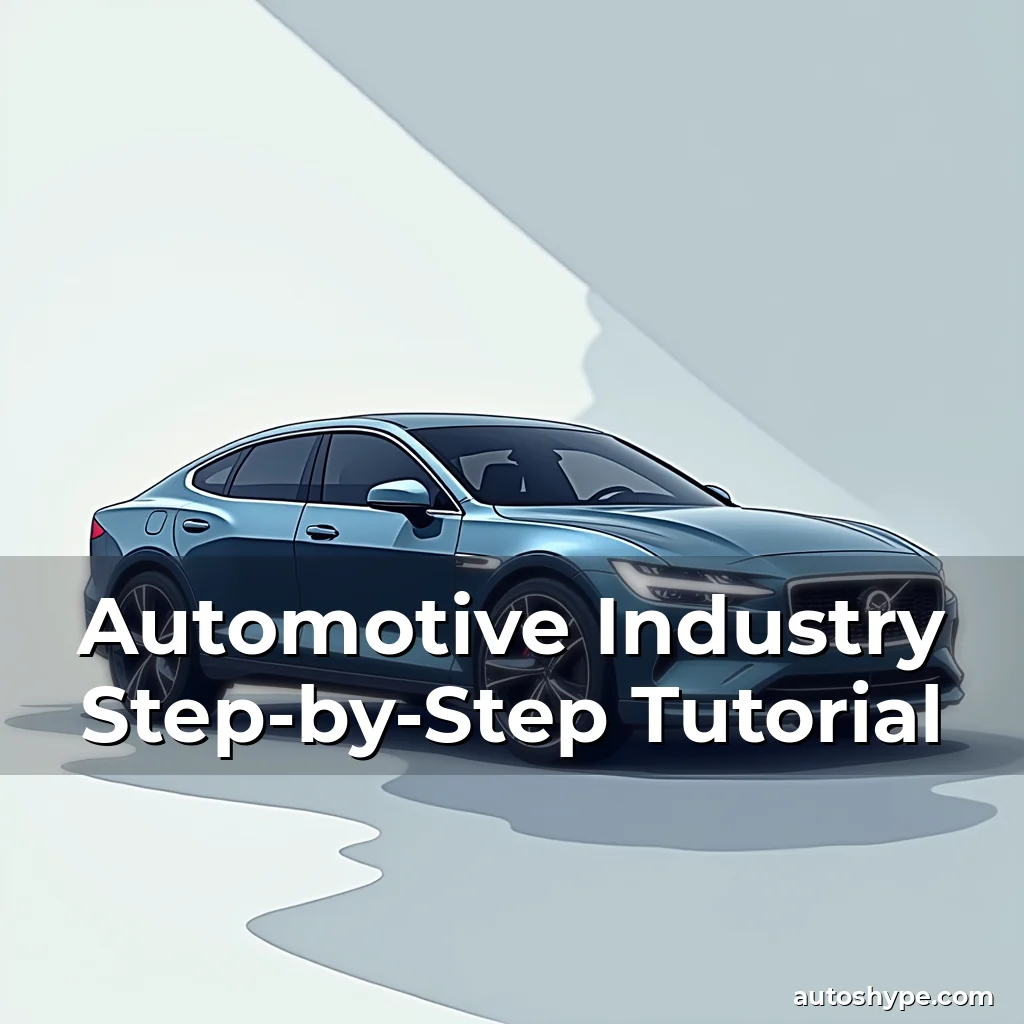
The Evolution of the Automotive Industry: From Horseless Carriages to Autonomous Vehicles
The automotive industry has undergone a remarkable transformation since its inception over a century ago. What began as rudimentary horse-drawn carriages evolved into sophisticated machines that now dominate global transportation systems. Today, the sector stands at the forefront of technological innovation, blending engineering excellence with cutting-edge advancements.
This journey through time reveals not only the technical progress but also the cultural impact of automobiles. As we explore this evolution, readers will gain insight into how these vehicles have shaped modern society and what lies ahead in their development.
Pioneers of the Automobile Era
In the late 19th century, inventors around the world were experimenting with self-propelled vehicles. Karl Benz is often credited with creating the first true automobile when he patented his three-wheeled vehicle in 1886. This invention marked the beginning of an era that would eventually revolutionize personal transport.
Benz’s creation was powered by a single-cylinder four-stroke engine, setting the foundation for future innovations. Around the same time, Gottlieb Daimler and Wilhelm Maybach developed another successful motorized carriage, showcasing parallel developments across different regions.
The early years saw numerous challenges including unreliable engines and limited infrastructure. Despite these obstacles, pioneers continued refining their designs, leading to improvements in reliability and performance over subsequent decades.
- Karl Benz: Pioneered internal combustion engines used in automobiles today.
- Gottlieb Daimler & Wilhelm Maybach: Developed high-speed engines that enhanced mobility significantly.
These foundational efforts laid the groundwork for mass production techniques later perfected by Henry Ford. His introduction of assembly line manufacturing drastically reduced costs, making cars accessible to middle-class consumers worldwide.
The Rise of Mass Production and Global Markets
Henry Ford’s Model T, introduced in 1908, exemplified how industrialization could democratize access to automobiles. By implementing moving assembly lines, Ford achieved unprecedented efficiency levels while maintaining quality standards. This model became synonymous with affordable motoring during its era.
Ford’s approach transformed not just car manufacturing but entire supply chains supporting it. Parts suppliers adapted quickly to meet demand from factories producing thousands of units daily. Such changes had ripple effects throughout economies globally.
The success of the Model T inspired other manufacturers to adopt similar strategies. Companies like General Motors expanded product ranges beyond simple models, offering various styles tailored towards different consumer preferences.
Economic Impact of Early Automakers
Data shows that by 1920s America alone had millions of registered vehicles thanks largely due to improved affordability post-Fordism. This surge created new industries related to road construction, fuel distribution networks, and service stations catering specifically to motorists.
Moreover, employment opportunities surged within both direct manufacturing sectors and ancillary services such as insurance, maintenance shops, etc., contributing substantially to national GDP figures during those periods.
Global trade routes also benefited immensely as countries exported vehicles alongside components required for local assembly plants. International cooperation grew stronger through shared technology transfer agreements between nations seeking economic growth via auto exports.
Technological Advancements Shaping Modern Cars
The mid-20th century witnessed significant technological leaps aimed at improving safety, comfort, and performance characteristics of automobiles. Innovations included power steering systems, automatic transmissions, air conditioning units, and advanced suspension setups designed to enhance driving experiences.
During this period, automakers competed fiercely to introduce features that differentiated their products. Luxury brands emphasized comfort amenities whereas sportier models focused heavily on acceleration capabilities and handling precision.
Electronics integration started gaining traction too – radios became standard equipment soon after World War II ended. Later additions encompassed electronic ignition systems which replaced traditional contact points for better reliability under varying conditions.
Rise of Computer-Controlled Systems
As microprocessors entered mainstream use during the 1970s, automotive engineers found novel applications for them inside vehicles. Engine control modules optimized fuel injection processes dynamically based upon real-time sensor inputs regarding throttle position or oxygen levels present in exhaust gases.
Such computational enhancements led to substantial gains in emissions reduction without compromising overall engine output metrics. Manufacturers leveraged these benefits aggressively promoting cleaner burning technologies aligned with emerging environmental regulations.
Today’s modern cars rely extensively on embedded software solutions managing everything from climate controls down to emergency response protocols integrated seamlessly into dashboard interfaces visible to drivers at glance.
Sustainability Efforts Within The Auto Sector
With increasing awareness surrounding climate change issues, sustainability has become paramount concern among stakeholders involved in automotive manufacturing. Major players are investing heavily into research initiatives targeting zero-emission vehicles capable replacing conventional gasoline-powered counterparts entirely.
Electric Vehicle (EV) adoption rates have been rising steadily albeit still lagging behind expectations set by governmental bodies aiming toward carbon neutrality targets established internationally. Nevertheless, continuous improvement cycles ensure EV battery capacities increase exponentially each year thereby extending range limitations previously associated with purely electric drivetrains.
Hybrid models serve as transitional options bridging gap between fossil-fuel dependent legacy platforms and fully electrified alternatives currently being developed rapidly across many OEM portfolios worldwide.
- Lithium-ion Batteries: Current gold standard powering most existing EV fleets globally.
- Solid-State Battery Technology: Promising next-gen solution potentially doubling current energy densities achievable today using liquid electrolyte variants.
Circular economy principles guide recent design philosophies where materials selected for new builds prioritize recyclability aspects ensuring minimal waste generated throughout lifecycle stages irrespective whether final disposal occurs via landfill sites or specialized recycling centers.
Autonomous Driving Technologies And Their Implications
Advances made possible through artificial intelligence combined with robust sensing apparatuses equipped onto contemporary vehicles herald arrival of autonomous driving capability sooner than initially anticipated. Self-driving prototypes already exist operating safely under controlled environments demonstrating feasibility towards wider implementation scenarios.
Companies specializing in AI algorithms work closely together with hardware developers crafting perception stacks enabling accurate object detection regardless weather variations affecting visibility factors critical for safe navigation decisions executed autonomously.
Vehicles incorporating Level 3 automation status allow human occupants disengage temporarily although remaining alert ready intervene whenever necessary situations arise requiring manual override actions taken promptly avoiding potential hazards threatening passenger safety.
Regulatory Framework Governing ADAS Implementation
National regulatory agencies establish stringent guidelines governing deployment timelines depending region-specific infrastructural readiness levels assessed periodically according to evolving urban landscapes accommodating growing number of connected devices interacting simultaneously within complex traffic ecosystems.
Insurance providers adapt policies reflecting changing risk profiles linked directly with increased reliance placed upon automated functions reducing frequency accidents attributed solely driver error instances commonly reported prior widespread adoptions seen recently among younger demographics preferring tech-savvy lifestyles embracing latest gadget offerings available marketplaces today.
Legal frameworks address liability questions arising from incidents involving semi-autonomous systems failing perform expected tasks properly either because malfunction occurred unexpectedly or external entities interfered improperly tampering vital sensors crucial reliable operation maintained consistently across diverse geographical locations experiencing differing climatic conditions influencing system behaviors differently compared standardized testing procedures conducted laboratories prior commercial launches scheduled upcoming quarters.
Digital Transformation In Automotive Manufacturing Processes
Digitization reshapes every aspect concerning vehicle creation process starting right from initial concept generation phases proceeding thorough rigorous simulation tests before physical prototyping commences. Virtual reality tools facilitate immersive walkthroughs allowing designers visualize spatial relationships accurately predicting structural integrity outcomes long before actual fabrication begins.
Additive manufacturing methods known colloquially “3D printing” enable rapid iteration cycles significantly decreasing lead times traditionally consumed waiting traditional casting techniques complete lengthy curing periods essential achieving desired dimensional accuracies required precise fitment requirements inherent automotive assemblies demanding tight tolerances maintained throughout entire build sequences.
Data analytics plays pivotal role monitoring production lines identifying bottlenecks efficiently rerouting resources accordingly optimizing throughput maximally leveraging predictive maintenance schedules preventing unexpected downtime events disrupting otherwise smooth workflow operations occurring regularly within high-volume facilities processing tens thousands units weekly maintaining consistent delivery commitments promised clients expecting timely shipments arriving destinations undamaged intact condition.
Future Trends And Innovations On Horizon
Looking forward, several transformative trends promise redefine landscape shaping tomorrow’s automotive experience fundamentally altering perceptions held about personal mobility choices available individuals residing cities characterized dense populations necessitating alternative modes transportation besides private ownership arrangements historically dominant suburban areas possessing ample space accommodate larger vehicles preferred recreational purposes.
Urban planners collaborate closely with technology firms envisioning smart city architectures integrating IoT enabled infrastructure facilitating seamless interaction between vehicular systems deployed throughout metropolitan zones enhancing overall efficiency experienced commuters navigating crowded streets encountering frequent delays caused inefficient traffic flow patterns observed routinely weekday mornings rush hours impacting productivity levels negatively across workforce segments relying punctual arrivals completing job responsibilities satisfactorily meeting employer expectations.
Vehicle-to-everything (V2X) communication represents frontier advancing connectivity possibilities amongst fleet members exchanging data packets containing information regarding speed limits proximity pedestrians cyclists other nearby objects detected radar lidar cameras mounted exteriors capturing surroundings comprehensively building holistic situational awareness empowering decision-making processes executed swiftly minimizing collision risks encountered everyday driving encounters inevitably happening even best prepared operators occasionally facing unforeseen circumstances challenging optimal responses calculated instantly based instantaneous assessments performed continuously background without conscious effort exerted manually.
Consumer Behavior Shifts Influencing Market Dynamics
Modern consumers exhibit distinct purchasing behaviors influenced heavily digital footprints leaving trails online shopping habits revealing preferences informing marketing campaigns tailored precisely individual tastes desires. Social media engagement drives brand loyalty cultivating communities centered around particular make model affiliations fostering emotional connections transcending mere transactional interactions typically associated commodity purchases devoid deeper attachments cultivated through shared interests experiences.
Customization demands escalate continuously pushing manufacturers innovate beyond basic color trim selections expanding scope bespoke configurations covering interior layouts exterior finishes performance specifications configurable via mobile apps providing real-time adjustments modifying settings remotely without needing physically visit dealerships wasting precious time otherwise spent engaging activities valued highly busy professionals balancing career obligations familial duties social engagements competing equally demanding priorities vying attention scarce resource allocated daily routines.
Subscription-based models emerge popular alternatives leasing agreements particularly appealing younger generations valuing flexibility rather permanence owning depreciating assets carrying financial burdens tied regular servicing expenses repairs replacements inevitable aging mechanical systems succumbing wear tear exposure elements environment unpredictably.
Challenges Facing The Automotive Industry Today
Despite promising prospects outlined above, several hurdles persist impeding full realization envisioned futures. Supply chain disruptions remain pressing issue exacerbated geopolitical tensions affecting availability raw materials essential constructing vehicles ranging rare earth metals used motors electronics up steel aluminum composing chassis frames body panels requiring constant replenishment stocks maintained adequately prevent production halts jeopardizing revenue streams derived ongoing sales volumes sustaining profitable operations enterprises reliant steady inflow income generated recurring transactions completed customers acquiring freshly manufactured units meeting ever-changing market demands fluctuating seasonality affecting seasonal variances impacting inventory management strategies employed anticipating peaks troughs effectively distributing stock quantities appropriately matching forecasted consumption rates projected future periods ahead.
Workforce shortages pose additional challenge especially skilled labor categories requiring specialized training acquired through formal education apprenticeship programs lacking sufficient participants willing pursue careers demanding dedication mastering intricate knowledge base spanning mechanical electrical systems coupled soft skills interpersonal communications teamwork abilities indispensable collaborative environments thriving innovation driven cultures emphasizing cross-functional cooperation resolving multifaceted problems encountered daily amidst dynamic working conditions constantly evolving technological paradigms redefining traditional roles assuming new forms adapting swiftly shifting tides industry transformations underway.
Environmental concerns continue mounting pressure forcing companies reassess operational practices adopting greener methodologies reducing ecological footprint wherever feasible without sacrificing profitability margins upheld consistently competitive pricing structures maintaining price parity benchmarking against rivals striving achieve similar objectives concurrently.
Conclusion
The automotive industry’s trajectory showcases a blend of historical milestones intertwined with futuristic aspirations defining its identity today. From humble beginnings rooted mechanical ingenuity propelled relentless pursuit perfection culminating state-of-the-art solutions addressing contemporary needs exceeding expectations once thought unattainable.
As we stand witness unfolding narrative comprising past achievements present realities imminent possibilities, one truth remains evident: innovation propels progression ensuring sector stays vibrant adaptable resilient amid turbulent seas uncertainty characterizing modern age defined accelerated pace change necessitating perpetual reinvention strategies embraced wholeheartedly by visionaries committed shaping tomorrow’s mobility landscape responsibly sustainably inclusively.


news is a contributor at AutosHype. We are committed to providing well-researched, accurate, and valuable content to our readers.
You May Also Like


Relief for North American Auto Industry as US Customs and Border Protection Announces Exemption for CUSMA-Compliant Auto Parts
The North American automobile industry has been under intense pressure due to the imposition of tariffs by the US government,...
Automotive Industry for Beginners: Getting Started
The Future of Motion: Exploring the Modern Automotive Ecosystem In an age defined by rapid technological innovation and shifting consumer...

Lexus Unveils LF-ZC Concept, A Bold Step Towards a Sustainable Future
The automotive world witnessed a glimpse of the future with Lexus’s debut of the LF-ZC concept at Milan Design Week....
How to Choose Automotive Industry: Expert Guide
The Evolution of the Automotive Industry: From Horse-Drawn Carriages to Electric Revolution The automotive industry has undergone a remarkable transformation...