



The Future in Motion: Exploring the World of Concept Vehicles
In an era where innovation meets imagination, concept vehicles stand at the forefront of automotive evolution. These experimental prototypes are not merely cars—they represent visions of what tomorrow’s transportation might look like.
Concept vehicles serve as blueprints for future technologies, showcasing cutting-edge features that may eventually make their way into production models. They push boundaries in design, performance, sustainability, and driver experience.
Pioneering Design Language
One of the most captivating aspects of concept vehicles is their bold and often unconventional design language. Manufacturers use these platforms to explore new shapes, materials, and aesthetics without the constraints of mass-market expectations.
For instance, the Mercedes-Benz Vision AVTR draws inspiration from nature, featuring organic curves and biometric interfaces that respond to human touch. Such designs challenge traditional notions of vehicle form and function.
A key element in concept car design is the integration of aerodynamics with visual appeal. Engineers work closely with designers to ensure that every line serves both aesthetic and functional purposes.
Certain concept vehicles also experiment with entirely new forms of mobility, such as three-wheeled layouts or modular configurations that adapt to different driving scenarios.
- Design Freedom: Concept vehicles allow automakers to test radical ideas that would be impractical for mainstream models.
- Futuristic Aesthetics: Many concepts feature exaggerated proportions, glowing elements, or even transparent panels to highlight internal components.
- Material Innovation: Advanced composites, carbon fiber, and sustainable materials frequently appear in concept builds.
Technological Innovations On Display
Concept vehicles act as laboratories for emerging automotive technologies. From autonomous driving systems to energy-efficient powertrains, they showcase advancements that could redefine how we interact with our vehicles.
Electric propulsion has become increasingly prominent in recent concept launches. Companies like Tesla and Rivian have introduced electric trucks and SUVs that hint at the future of personal transport.
Sensors, AI-driven assistance, and augmented reality displays are now common in high-end concept cars. These technologies aim to enhance safety, convenience, and overall user engagement.
Some manufacturers are exploring self-driving capabilities through advanced lidar systems and machine learning algorithms tailored specifically for urban environments.
Additionally, concept vehicles often integrate smart connectivity solutions that enable seamless interaction between the car and external devices, creating an ecosystem around the driver’s needs.
The Rise Of Electric Powertrains In Concepts
The shift towards electrification is evident across many modern concept vehicles. Traditional combustion engines are being replaced by powerful electric motors capable of delivering instant torque and zero emissions.
According to industry reports, over 60% of concept cars unveiled in the past five years utilize some form of hybrid or fully electric drivetrain technology. This trend underscores a growing commitment toward sustainability within the auto sector.
Moreover, battery efficiency improvements continue to drive interest in EV-based concepts. Newer lithium-ion variants offer longer ranges while maintaining competitive charging times compared to older models.
This technological leap not only reduces environmental impact but also opens up possibilities for novel vehicle architectures previously unattainable with conventional power sources.
Eco-Friendly Initiatives And Sustainability Focus
With climate change concerns rising globally, sustainability has taken center stage in concept vehicle development. Automakers are leveraging eco-friendly materials and processes to minimize ecological footprints during manufacturing stages.
Many concept cars incorporate recycled plastics, plant-based fabrics, and bio-derived adhesives as part of their interior trimmings. These choices reflect broader corporate commitments towards greener practices.
Beyond material selection, companies are investing heavily in renewable energy sources for powering assembly lines and testing facilities associated with producing these innovative prototypes.
Furthermore, water conservation techniques play a significant role; closed-loop cooling systems help reduce waste generated during paint application phases commonly found in automotive plants.
Driver Experience Reimagined
Modern concept vehicles prioritize enhancing the driving experience beyond mere functionality. Interior spaces are redefined using ergonomics-focused layouts combined with intuitive control interfaces.
Vehicles like the BMW iX Flow demonstrate how interiors can transform dynamically based on ambient conditions or user preferences—offering personalized comfort settings through responsive surfaces.
The introduction of gesture controls allows drivers to manage various functions simply by moving their hands near designated areas inside the cabin space.
Haptic feedback mechanisms provide tactile responses when interacting with digital dashboards or touchscreen menus, making navigation easier amidst distractions caused by road traffic.
Augmented reality headsets integrated into certain concept models project real-time data onto windshields, aiding drivers in navigating complex cityscapes safely.
Autonomous Driving Capabilities Demonstrated
Several concept vehicles have been developed exclusively for demonstrating levels four and five autonomy—where minimal or no human intervention is required under normal operating conditions.
Companies such as Waymo and Cruise regularly unveil autonomous shuttles designed primarily for ride-sharing services rather than individual ownership scenarios.
These vehicles rely on sophisticated sensor arrays including radar, sonar, cameras, along with GPS triangulation methods to navigate roads accurately regardless of weather conditions encountered.
Machine learning plays a crucial role here too; each trip contributes valuable dataset samples used for refining predictive algorithms governing decision-making processes involved in safe maneuvering.
However, challenges remain regarding legal frameworks surrounding liability issues related to accidents involving fully automated systems still need addressing before widespread adoption becomes feasible.
The Role Of Concept Cars In Market Research
Automotive brands extensively employ concept cars as tools for gauging public reactions towards upcoming product lines before committing substantial resources toward full-scale productions.
Data collected via surveys conducted post-exhibitions gives insight into consumer perceptions concerning size, color schemes, tech features preferred among potential buyers.
Feedback received helps shape final specifications ensuring alignment between manufacturer goals versus actual market demands thereby reducing risks tied up investment decisions made later down the pipeline.
This iterative process enables continuous refinement cycles allowing gradual transitions from conceptual phase right through till commercial availability periods.
Noteworthy Examples Of Iconic Concept Vehicles
Throughout history several concept cars have left indelible marks shaping current trends seen today within automotive industries worldwide.
The DeLorean DMC-12 first showcased futuristic styling coupled with gull-wing doors becoming synonymous with time travel themes popularized later through movies especially Back To The Future franchise.
The Honda S2000 was another milestone introducing rear-wheel-drive configuration back when front-wheel dominance prevailed amongst sports sedans segment targeting young enthusiasts seeking thrill seekers experiences.
More recently, the Hyundai Nexo exemplifies hydrogen fuel cell technology paving pathways towards alternative energy solutions currently facing hurdles due limited refueling infrastructure available globally.
Each example highlights distinct contributions made either through groundbreaking engineering achievements or cultural significance influencing generations ahead who followed suit inspired by those innovations presented initially within concept form.
How To Stay Updated With Latest Concept Vehicle Developments?
Keeping track of ongoing developments requires active participation from interested parties whether they’re professionals working within field or casual observers passionate about automotive culture.
Attending international motor shows held annually provides direct access observing firsthand latest unveilings taking place simultaneously across multiple continents.
Following official social media accounts maintained by respective manufacturers ensures timely updates whenever new projects get announced publicly online channels utilized widely nowadays.
Joining enthusiast forums dedicated solely discussing topics revolving around concept cars facilitates deeper dives analyzing technical specifics alongside subjective opinions shared freely among members present there.
Lastly subscribing newsletters focused purely on reporting news items relevant specifically covering niche area represented hereby guarantees consistent flow information reaching desired destinations efficiently without unnecessary clutter included otherwise.
Conclusion
Concept vehicles encapsulate humanity’s relentless pursuit of progress manifesting itself physically upon roads traversed daily by millions worldwide.
They bridge gaps existing between present realities constrained by economic factors limiting implementation scale versus aspirational ideals envisioned collectively shaping future landscapes inhabited thereafter.
By embracing these experimental creations actively participating communities contribute meaningfully toward realization dreams embedded deeply within hearts minds individuals driven forward continuously pushing envelope further ever outwardly expanding horizons reachable next horizon awaiting discovery soon after.


news is a contributor at AutosHype. We are committed to providing well-researched, accurate, and valuable content to our readers.
You May Also Like


Concept Vehicles for Beginners: Getting Started
The Future in Your Garage: A Deep Dive Into Concept Vehicle Innovation When you think of concept cars, what comes...

How to Choose Concept Vehicles: Expert Guide
The Future in Motion: Exploring the World of Concept Vehicles Innovation meets imagination in the realm of concept vehicles, where...
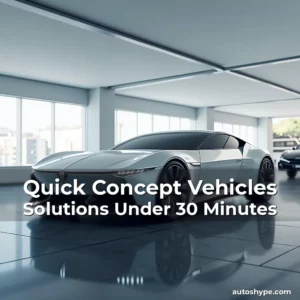
Quick Concept Vehicles Solutions Under 30 Minutes
Quick Concept Vehicles Solutions Under 30 Minutes In an era where innovation is king, concept vehicles have become the ultimate...
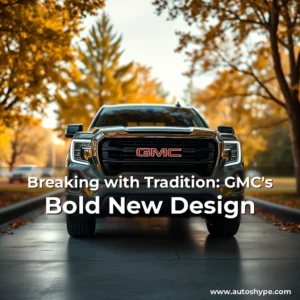
Breaking with Tradition: GMC's Bold New Design
The American automotive landscape is filled with examples of how regional influences have shaped iconic brands. From the Nürburgring-inspired Cadillac...