


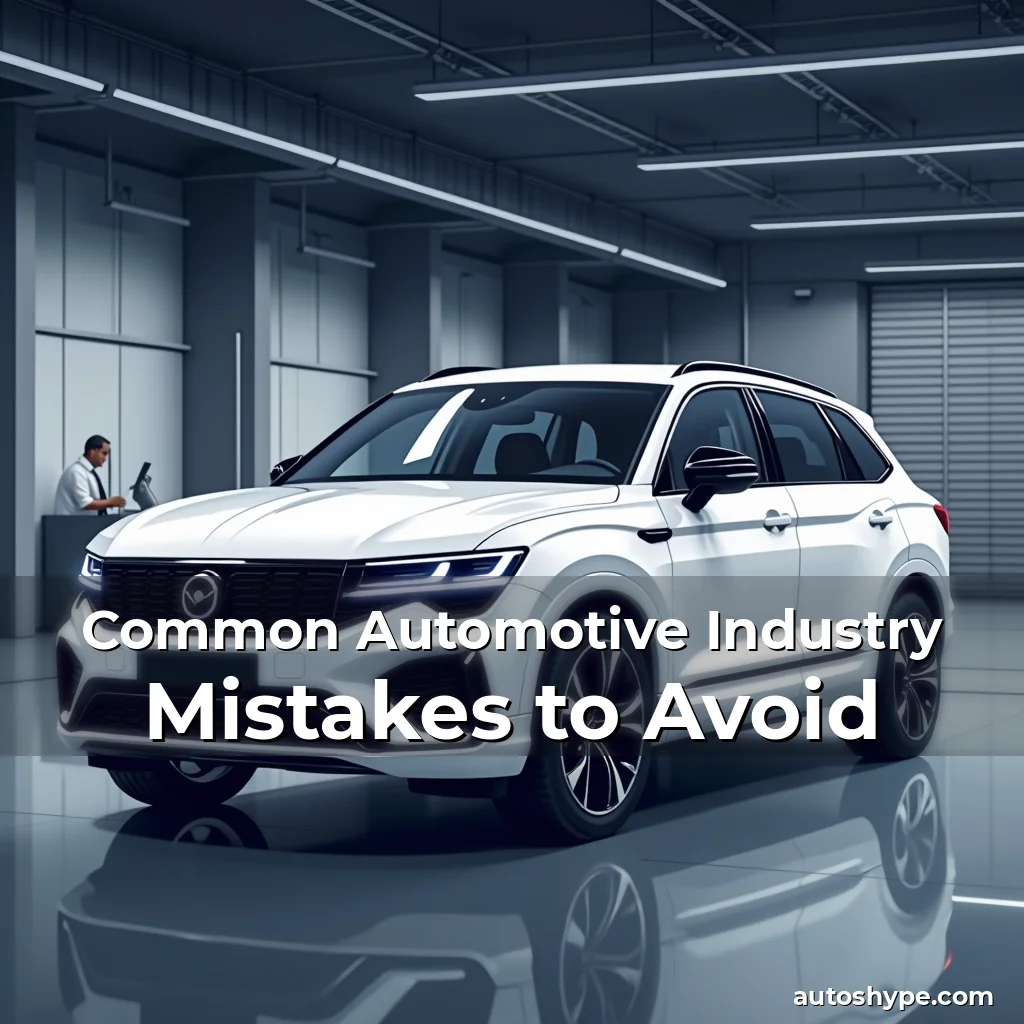
The Hidden Pitfalls in the Automotive Industry That Even Experts Overlook
In an era where automotive technology is advancing at breakneck speed, many professionals and consumers alike are falling victim to common yet avoidable mistakes that can lead to costly errors, safety risks, and long-term dissatisfaction with vehicles.
From improper maintenance practices to misjudging market trends, these pitfalls often go unnoticed until they cause significant problems—whether in vehicle performance, financial investment, or even personal safety.
Misunderstanding Vehicle Maintenance Needs
A primary mistake among both new and experienced drivers is assuming that regular oil changes alone suffice for maintaining their vehicles’ health.
This oversight leads to neglected components such as brake fluid, coolant levels, and tire pressure checks, which play crucial roles in ensuring optimal driving conditions and preventing breakdowns.
Many drivers believe that modern cars have built-in systems that automatically monitor everything necessary, but relying solely on dashboard warnings can result in delayed responses to critical issues.
- Neglecting Brake Fluid Replacement: Regular inspection and replacement of brake fluid prevents corrosion within braking system components, reducing the risk of sudden failure during emergency stops.
- Overlooking Tire Pressure Checks: Properly inflated tires enhance fuel efficiency by up to 3% while also improving handling and decreasing tread wear rates significantly.
Failing to follow manufacturer-recommended service intervals can void warranties and increase repair costs over time due to compounded mechanical failures.
It’s essential to understand that preventive care extends beyond routine services; periodic inspections for worn-out parts like belts, hoses, and filters are equally vital for longevity.
Poor Decision-Making When Buying New Vehicles
Selecting a new car without thorough research can result in purchasing models that don’t align with individual needs or future requirements.
Consumers frequently prioritize aesthetics over functionality, leading them away from practical choices that might offer better value for money in terms of reliability and resale potential.
Ignoring features related to safety ratings, fuel economy figures, and technological capabilities based purely on brand loyalty can compromise overall satisfaction post-purchase.
Evaluating test drive experiences thoroughly helps identify comfort aspects such as seating ergonomics, visibility angles, and noise insulation qualities before finalizing decisions.
Budget considerations shouldn’t limit exploration of higher-end options when certain premium features provide substantial benefits regarding convenience or security enhancements.
Understanding depreciation curves associated with different makes and models allows buyers to make informed choices that minimize loss upon eventual sale or trade-in scenarios.
Considering Long-Term Ownership Costs
Vehicles depreciate differently depending on factors including brand reputation, model popularity, and technological advancements integrated into newer versions.
Some manufacturers maintain strong residual values through consistent updates whereas others may experience sharper declines especially after initial model years pass.
For instance, luxury brands tend to hold onto value better than mainstream counterparts although this varies widely across segments and geographical regions.
Cumulative expenses involving insurance premiums, registration fees, and ongoing repairs contribute heavily towards total ownership cost calculations that extend well past purchase price tags.
Researching annual operating costs via resources like AAA’s Your Driving Cost calculator provides clearer insight into realistic budget allocations required for continued usage periods ranging anywhere from three to ten years ahead.
Underestimating Repair Expenses After Warranty Expiration
Once a vehicle moves out of its factory warranty period, unexpected repair bills become increasingly burdensome unless adequate preparation has been made beforehand.
Owners who haven’t set aside funds specifically designated for unforeseen mechanical troubles face severe financial strain when confronted with expensive replacements like engines, transmissions, or electrical systems failing unexpectedly.
Proactive measures such as investing in extended warranties or establishing an emergency fund dedicated exclusively toward auto-related expenditures help mitigate these surprises effectively.
Schedule regular checkups with certified mechanics even after warranty expiration dates to detect early signs of deterioration so minor fixes won’t escalate into major overhauls later down the line.
Being aware of typical lifespan expectations for various components aids in anticipating necessary upgrades thus avoiding complete system failures that could render entire vehicles unusable prematurely.
Disregarding Safety Protocols During DIY Repairs
Temptation sometimes tempts individuals attempting do-it-yourself auto repairs without sufficient knowledge or tools leading to hazardous situations.
Lack of proper training combined with unfamiliarity concerning correct procedures increases likelihood of accidents resulting from mishandling dangerous elements present inside engine compartments or under chassis structures.
Using incorrect fasteners sizes or torque specifications compromises structural integrity potentially causing catastrophic failures during operation phases.
Failure to secure all connections properly before reassembling units exposes users to fire hazards particularly around wiring harnesses located near heat sources like exhaust manifolds.
Always consult official manuals provided by original equipment manufacturers whenever undertaking complex tasks requiring precise measurements and specialized equipment not commonly found among household toolkits.
Overlooking Environmental Impact Considerations
Environmental consciousness plays increasing role shaping consumer preferences impacting how people choose automobiles today compared against previous decades.
Despite growing awareness surrounding carbon footprints emitted by traditional internal combustion engines there still exists confusion regarding actual differences between hybrid-electric alternatives versus fully electric vehicles available currently.
Some customers mistakenly assume hybrids produce zero emissions whereas reality shows they emit less pollutants relative to conventional gasoline-powered machines but aren’t entirely clean energy solutions either.
Opting for eco-friendly options requires understanding distinctions between varying types of green technologies along with evaluating infrastructure availability supporting those choices notably charging stations for EVs nationwide coverage extent.
Manufacturers continuously innovate aiming reduce environmental impact however determining effectiveness relies upon accurate information rather than marketing claims alone making independent verification processes indispensable prior commitment purchases.
Not Keeping Up With Technological Advancements In Cars
Rapid evolution occurring within automobile sector presents challenges keeping pace with latest innovations being introduced regularly.
Advanced driver assistance systems (ADAS) now commonplace feature functions previously considered futuristic offering enhanced safety levels but require learning curve adjustments familiarization efforts.
Ignorance regarding functionalities embedded within infotainment interfaces limits full utilization capabilities available onboard thereby diminishing user experience satisfaction metrics recorded throughout product lifecycle stages.
Staying updated through manufacturer websites, attending dealer seminars, or participating online forums devoted exclusively discussing current developments ensures comprehension remains aligned with real-time progress happening globally.
Investment worthwhile considering fact that mastering modern tech improves accident prevention probabilities lowers insurance rates awarded based upon demonstrated responsibility exhibited behind wheels consistently overtime.
Assuming All Car Dealerships Offer Equal Quality Service
Perception persists amongst shoppers believing every dealership operates identically regardless location or franchise status affecting quality standards maintained internally.
Reality reveals considerable variation existing between authorized retailers concerning customer support approaches employed servicing methodologies practiced staff expertise displayed daily interactions conducted routinely.
Conducting pre-shopping investigations utilizing review platforms such as Yelp, Google Maps reviews, or J.D. Power surveys enables identification trustworthy establishments warranting consideration seriously.
Personal visits allowing direct observation assessment facilities cleanliness organization level professionalism observed frontline personnel engaged actively assisting prospects navigating showroom floors efficiently.
Engaging conversations with sales consultants revealing transparency honesty regarding pricing negotiations financing packages offered clarifies whether intentions genuine beneficial mutual interests shared genuinely.
Overreliance On Consumer Reports Or Single Review Sources
Dependence placed excessively upon singular data points originating external entities overlooks nuances distinguishing diverse circumstances influencing outcomes measured objectively quantitatively.
Consumer Reports scores useful reference albeit insufficient standalone determinant guiding ultimate decision-making process because subjective variables influence perceptions experienced firsthand differing greatly person-to-person basis.
Combining insights gathered multiple reputable sources enhances accuracy reliability achieved ultimately resulting superior informed judgments rendered accurately reflecting true nature products evaluated critically.
Participation discussions held community groups social media channels facilitates gathering perspectives fellow enthusiasts sharing similar concerns priorities contributing collective wisdom pooled together effectively.
Recognizing limitations inherent any single evaluation method encourages development balanced viewpoint incorporating broader spectrum viewpoints available readily accessible publicly nowadays easily navigated digitally connected world we inhabit currently.
Conclusion
Awareness regarding hidden dangers lurking within automotive landscape empowers individuals safeguard themselves financially emotionally physically against adverse consequences arising neglect ignorance blind spots prevalent everyday life routines.
By adopting proactive strategies addressing identified vulnerabilities systematically reduces chances encountering setbacks disrupting normalcy enjoyed owning operating beloved vehicles safely responsibly throughout durations spanning several years ahead confidently.
“`html
“`


news is a contributor at AutosHype. We are committed to providing well-researched, accurate, and valuable content to our readers.
You May Also Like

Automotive Industry for Small Spaces
The Automotive Revolution: Powering Tomorrow’s Mobility In an era defined by rapid technological advancement, the automotive industry stands at the...

Best Automotive Industry Tips and Strategies
The Future of Innovation in the Automotive Industry In an era where technology converges with mobility, the automotive industry stands...
Professional Automotive Industry: Advanced Techniques
Revving Up Innovation: The Modern Automotive Landscape Decoded The automotive industry stands at the intersection of cutting-edge technology, sustainability, and...
Automotive Industry vs Alternatives: Complete Comparison
The Future of Automotive Innovation: How Technology is Reshaping Vehicle Design and Ownership In an era defined by rapid technological...