


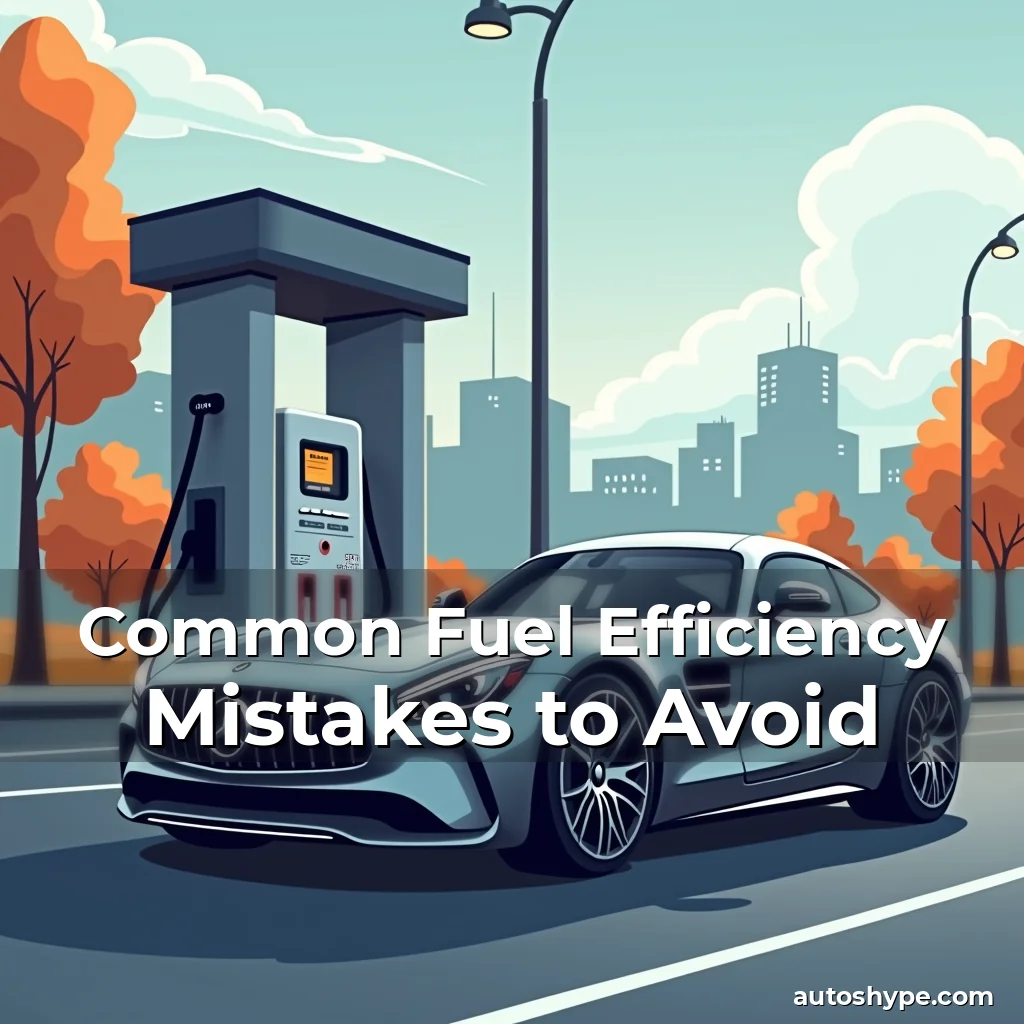
Revving Up Savings: How Smart Driving Habits Boost Your Car’s Fuel Efficiency
Fuel efficiency isn’t just about saving money—it’s about mastering your vehicle’s potential and embracing smarter driving strategies. Whether you’re a daily commuter or a weekend road trip enthusiast, optimizing how you drive and maintain your car can dramatically reduce fuel consumption.
From accelerating gently to checking tire pressure regularly, small adjustments yield significant results. This guide explores overlooked pitfalls, proven techniques, and modern technologies to help you unlock every drop of fuel economy your car has to offer.
The Hidden Costs of Poor Fuel Efficiency Practices
Many drivers underestimate how their choices impact gas mileage. Aggressive acceleration, abrupt braking, and excessive idling are prime culprits. These habits force engines to work harder, consuming more fuel than necessary. Over time, this adds up to hundreds of dollars wasted annually.
Even minor missteps, like carrying unnecessary weight in your trunk or frequently switching gears during city traffic, erode fuel efficiency. Understanding these hidden costs empowers you to make informed decisions that save both money and resources.
- Avoid highway speed battles: Speeding increases aerodynamic drag, making your engine burn fuel faster. Keeping speeds below 65 mph can improve mpg by up to 15%.
- Limit air conditioning use: AC strains the engine, especially at idle. Rolling down windows at lower speeds instead of running AC can cut fuel waste significantly.
Driving Habits That Secretly Drain Your Tank
Your driving style shapes fuel economy more than most realize. Smooth, consistent throttle inputs and predictable lane changes reduce energy loss caused by sudden movements. Studies show that “eco-driving” techniques can enhance mpg by 20–30% compared to erratic behavior.
Urban commuters face unique challenges. Stop-and-go traffic forces frequent braking and re-acceleration, which saps fuel efficiency. Using predictive driving—if you anticipate red lights or stop signs—you can coast gradually rather than slam brakes and accelerate hard.
The Role of Cruise Control in Highway Efficiency
Cruise control is a double-edged sword. At steady highway speeds, it maintains optimal RPMs, improving mpg by preventing constant throttle adjustments. However, over-reliance can lead to inefficiencies when climbing hills or descending slopes.
To maximize benefits, engage cruise control only on flat roads and disengage uphill. Some advanced systems, like adaptive cruise control, automatically adjust speed based on terrain, further conserving fuel.
Maintenance Secrets Most Drivers Ignore
Regular maintenance is non-negotiable for fuel efficiency. Dirty air filters restrict airflow, forcing the engine to work harder and consume more fuel. Replacing a clogged filter can restore lost mpg and boost power delivery.
Synthetic oil changes also play a critical role. Conventional oil thins out more quickly, increasing friction in moving parts. Synthetic blends provide superior lubrication, reducing engine strain and enhancing combustion efficiency.
- Check tire pressure weekly: Underinflated tires increase rolling resistance, lowering mpg by 3–4% per psi deficiency.
- Inspect spark plugs annually: Worn electrodes cause misfires, wasting fuel and damaging emissions systems.
Tire Care: The Often Forgotten Fuel Economy Booster
Tires act as the sole contact point between your car and the road—and poor condition severely impacts efficiency. Proper inflation ensures minimal rolling resistance, allowing wheels to rotate smoothly without excessive energy expenditure.
Tire tread depth matters too. Shallow treads create turbulence, increasing drag and reducing mpg. Rotating tires every 5,000 miles distributes wear evenly, preserving grip and efficiency across all four corners.
- Choose low-rolling-resistance tires: Manufacturers label these with “Energy Saving” ratings; they can improve fuel economy by up to 8%.
- Align wheels promptly: Misalignment causes uneven tire wear and pulls the car sideways, increasing fuel demands.
Leveraging Technology for Smarter Fuel Use
Modern cars come equipped with tools designed to optimize fuel efficiency. Real-time fuel gauges track consumption rates, helping you identify inefficient driving patterns. Some systems even alert you when you exceed recommended speeds or idle excessively.
GPS navigation now includes fuel-efficient routing algorithms. Features like “green routes” avoid steep inclines and heavy congestion, minimizing stops and maximizing speed consistency for improved mpg.
- Use onboard diagnostics (OBD): OBD-II scanners reveal trouble codes related to fuel system malfunctions, enabling early repairs.
- Enable Eco Mode: Many hybrids and electric vehicles have modes that prioritize fuel conservation by limiting acceleration and adjusting climate controls.
Weather and Terrain: Navigating Challenges Without Losing Mileage
Weather conditions demand adaptability. Cold starts require richer fuel mixtures, temporarily decreasing efficiency until the engine warms. Idling longer in freezing temperatures to defrost windows consumes extra fuel—use a scraper instead.
Hilly regions present unique hurdles. Uphill climbs drain fuel reserves rapidly, so plan trips to ascend gradually, leveraging momentum to carry you through descents where possible. Maintaining higher speeds on downhill stretches reduces the need for repeated acceleration after stopping.
Advanced Techniques for Enthusiasts Seeking Maximized Performance
Car aficionados追求极致的燃油效率往往需要深入的技术调整。例如,优化ECU(发动机控制单元)映射可以精确校准空燃比和点火时机,在不牺牲动力的情况下提升燃烧效率。
涡轮增压车辆可通过改进废气再循环系统减少泵气损失,同时确保排放符合标准。使用高性能空气滤清器和进气歧管设计能增加氧气摄入量,促进更完全的燃料燃烧过程。
- 改装排气系统: 轻量化或重新设计消音器组件可降低背压,改善发动机呼吸能力,从而提高扭矩输出并节省油耗。
- 安装电子节气门控制器: 这些装置允许驾驶员自定义油门响应曲线,在保持驾驶乐趣的同时避免不必要的高转速行驶。
Long-Term Strategies for Sustainable Fuel Efficiency
Adopting sustainable habits extends far beyond individual drives. Regularly logging fuel consumption data helps spot trends and measure progress toward personal efficiency targets. Apps like Fuelio or MyFuelTracker allow seamless tracking of fill-ups and driving patterns.
Community engagement also plays a role. Joining local car clubs focused on green driving fosters knowledge-sharing and motivates accountability. Participating in initiatives like “Carpool Week” reduces overall road traffic, indirectly contributing to collective fuel savings.
Conclusion
Fuel efficiency is a blend of mindful driving, proactive maintenance, and technological awareness. By addressing oversights and adopting targeted strategies, you can transform your vehicle into a model of economic and environmental responsibility.
Start today—check your tire pres Every drop saved contributes to a cleaner planet and a healthier wallet, proving that efficiency doesn’t mean sacrificing the joy of driving.


news is a contributor at AutosHype. We are committed to providing well-researched, accurate, and valuable content to our readers.
You May Also Like

Fueling in Colorado: Understanding 85-Octane Gasoline
At elevations above 3,500 feet, the air is less dense, which affects how engines combust fuel. This phenomenon occurs due...

New Gen Alto Sheds Massive 100 Kg : All the Shocking Weight Loss Details
In the next-generation Alto, Maruti Suzuki could potentially be using advanced materials and technologies such as carbon fiber, aluminum, and...
The Rust Belt Revival: A Look at the Impact of Trump's Automobile Tariffs
The History of the American Automobile Industry in Michigan The two-story red brick building in Flint, Michigan, known as Factory...

10 Luxury Sedans That Depreciate The Most After 5 Years
Here are some of the best luxury sedans for a five-year-old vehicle.Top Luxury Sedans for a Five-Year-Old Vehicle1. Mercedes-Benz E-ClassThe...