


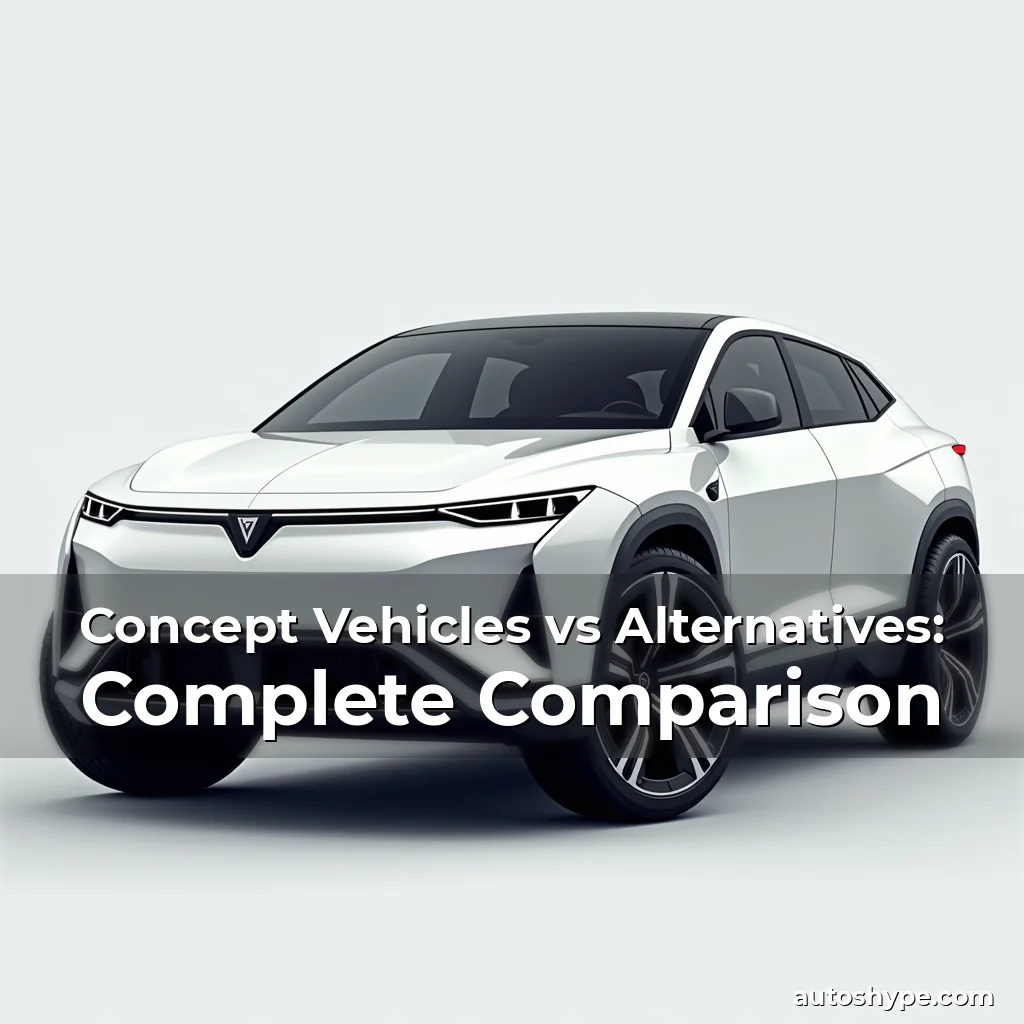
Concept Vehicles vs Alternatives: Complete Comparison
The world of automotive innovation is constantly evolving, driven by the need for sustainability, performance, and futuristic design. Among the most intriguing developments are concept vehicles—vehicles designed to showcase new technologies, aesthetics, and ideas that may eventually become part of our everyday driving experience.
While some concept cars never leave the showroom floor, others evolve into production models that redefine what’s possible in transportation. This article explores how concept vehicles compare to their alternatives such as prototype vehicles, pre-production models, and even fully realized mass-market cars, helping you understand the role each plays in shaping the future of mobility.
The Essence of Concept Vehicles
At its core, a concept vehicle serves as an experimental platform where automakers can test unproven designs, materials, and propulsion systems without the constraints of cost or mass production.
These vehicles often feature exaggerated styling elements, cutting-edge technology, and unconventional layouts that push the boundaries of current engineering practices. They act as canvases for creative expression while also serving functional research purposes.
A key distinction between concept vehicles and other development stages lies in their primary purpose. While prototypes aim at verifying technical feasibility, concept cars prioritize showcasing vision and innovation over immediate practicality.
This duality allows manufacturers to gauge public reaction before committing resources to full-scale development programs. It’s akin to artists sketching preliminary drawings before creating masterpieces.
Distinguishing Between Concept Cars and Prototypes
Understanding the difference between concept vehicles and prototypes is crucial when exploring automotive evolution. A prototype typically represents an early working model used primarily for testing mechanical components and basic functionality.
In contrast, concept cars are built with more emphasis on visual impact and technological demonstration rather than operational efficiency. Think of them as artistic renderings compared to the blueprints of a prototype.
Prototypes usually undergo rigorous stress tests under controlled environments, focusing solely on whether they meet safety standards and perform reliably. Their exteriors might be simple mock-ups made from lightweight materials.
On the other hand, concept cars often boast high-quality finishes, advanced electronics, and sometimes even complete drivetrains, despite lacking the refinement required for daily use.
- Functionality: Prototypes emphasize mechanical soundness; concept cars highlight aesthetic appeal.
- Purpose: Prototypes verify technical viability; concept cars explore market potential.
- Design Focus: Prototypes prioritize structural integrity; concept cars celebrate creativity.
From Vision to Reality: How Concepts Evolve
Many concept vehicles transition through various developmental phases before becoming available to consumers. This process involves refining initial sketches into tangible products that align with both manufacturer capabilities and consumer expectations.
During this transformation phase, designers work closely with engineers to ensure that bold exterior features can be manufactured efficiently using existing infrastructure. Interior configurations might also change significantly based on ergonomic considerations.
Technological innovations showcased in concepts must prove scalable for mass production. For example, electric powertrains demonstrated in showrooms could require substantial modifications to meet affordability targets.
Certain aspects like aerodynamic enhancements or safety features might remain unchanged since their debut, proving that sometimes less is more when it comes to successful transitions.
The Role of Pre-Production Models
Pre-production models serve as intermediaries between concept vehicles and final products. These units allow manufacturers to conduct extensive real-world testing outside laboratory conditions while still maintaining certain design characteristics seen in earlier stages.
Unlike raw prototypes, which may look quite different from finished goods, pre-prod versions incorporate many finalized design cues but retain some flexibility regarding component selection and material choices.
They provide invaluable data on everything from paint durability to driver ergonomics, ensuring that only proven solutions make it into mainstream offerings. However, they’re rarely intended for sale to end users.
One notable characteristic of these models is their limited availability—they exist mainly within company facilities or specialized test tracks rather than dealer lots.
Evaluating Production Readiness
Determining whether a concept will reach production requires careful analysis of several factors including technological maturity, regulatory compliance, and financial feasibility.
Vehicles featuring highly experimental power sources or untested materials face significant hurdles unless supported by government incentives or strong industry backing. In contrast, those demonstrating incremental improvements tend to progress faster along commercialization paths.
Market demand also plays a critical role; if sufficient interest exists among target demographics, companies are more inclined to invest heavily in bringing similar designs into mass production.
Additionally, partnerships with suppliers capable of scaling up manufacturing processes help determine long-term viability beyond mere theoretical discussions.
Comparative Analysis With Mass Market Vehicles
When comparing concept vehicles to standard mass-produced automobiles, stark differences emerge across multiple dimensions ranging from pricing structure down to customization options available post-purchase.
Mass-market cars prioritize reliability, ease-of-maintenance, and fuel economy above all else, whereas concept models frequently sacrifice conventional comfort metrics for avant-garde appearances or novel functionalities.
Owners seeking personalized experiences find greater latitude with concept platforms due to fewer restrictions imposed by economies of scale. However, this freedom often translates into higher maintenance costs associated with bespoke parts and specialized service networks.
Mechanical simplicity remains paramount in everyday transport scenarios, making traditional sedans or SUVs preferable choices over technically complex yet visually striking alternatives presented during auto shows worldwide.
The Future Landscape of Automotive Development
As we move toward increasingly digitized and sustainable futures, the role of concept vehicles continues expanding beyond mere novelty displays towards active contributors in defining next-generation mobility solutions.
With advancements in autonomous driving systems and alternative energy storage methods gaining momentum, upcoming generations of concept cars promise unprecedented levels of integration between human operators and machine intelligence.
Moreover, environmental concerns have pushed manufacturers towards developing zero-emission platforms that challenge previous assumptions about range limitations and refueling infrastructures necessary for widespread adoption.
By examining historical trends alongside emerging technologies, stakeholders can better anticipate shifts occurring within global automotive markets influenced by changing societal values and geopolitical dynamics affecting supply chains globally.
Conclusion
Concept vehicles play a pivotal role in charting the course of automotive history by bridging imagination with reality through innovative experimentation.
Whether destined for production lines or remaining purely symbolic representations of aspirational goals, they continue inspiring both professionals and enthusiasts alike who shape tomorrow’s transportation landscape today.


news is a contributor at AutosHype. We are committed to providing well-researched, accurate, and valuable content to our readers.
You May Also Like

Concept Vehicles for Small Spaces
The Future in Motion: Exploring Concept Vehicles That Redefine Automotive Design In an era where innovation is the lifeblood of...
Common Concept Vehicles Mistakes to Avoid
Beyond the Showroom: How Concept Vehicles Shape Tomorrow’s Driving Experience Concept vehicles are more than eye-catching displays at auto shows;...


The Future on Wheels: Exploring Concept Vehicles That Redefine Automotive Innovation
The Future on Wheels: Exploring Concept Vehicles That Redefine Automotive Innovation In an era where technology evolves at lightning speed,...

Concept Vehicles Step-by-Step Tutorial
The Future Behind the Wheel: A Deep Dive Into Concept Vehicles In an era where innovation fuels every aspect of...