


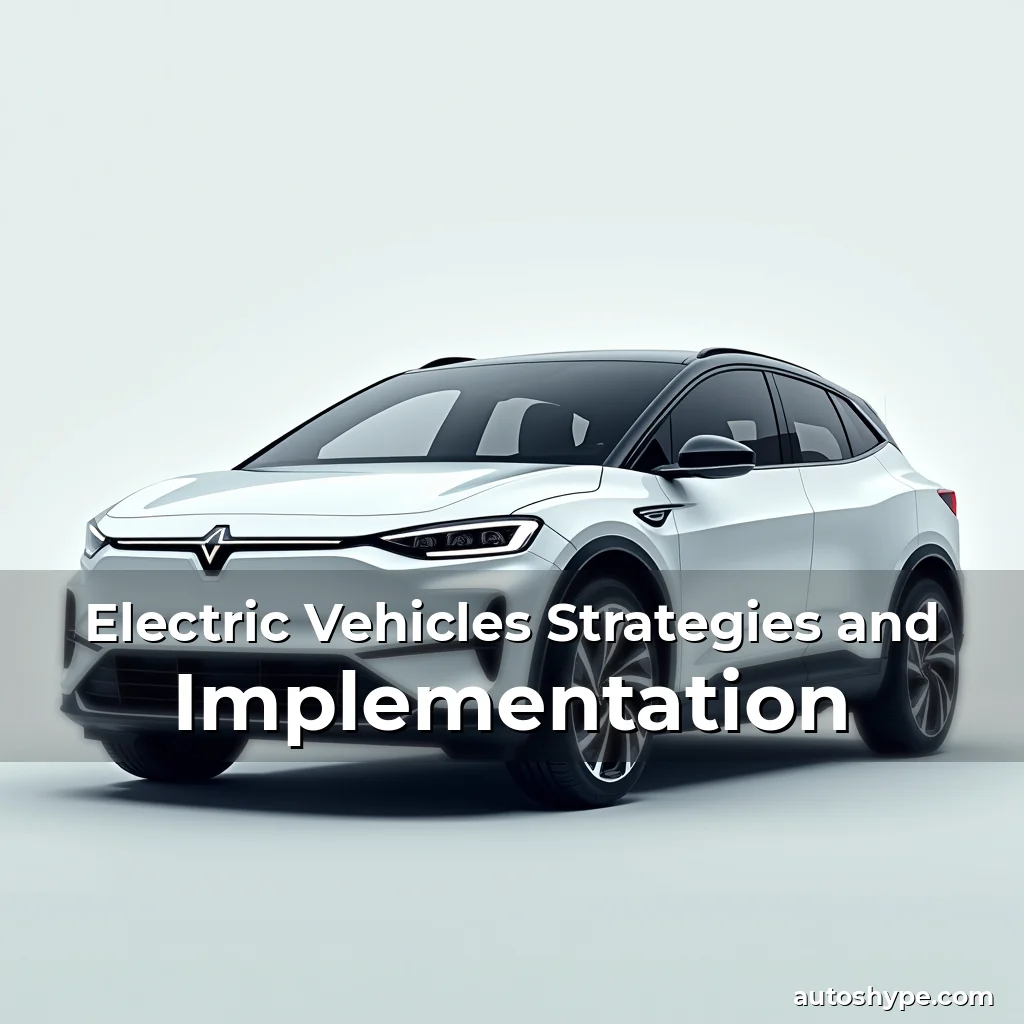
The Electric Revolution: How EVs Are Reshaping Automotive Culture and Performance
In an era defined by climate urgency and technological innovation, electric vehicles have emerged as both a necessity and a marvel in the automotive world. Once dismissed as impractical novelties, EVs are now at the forefront of performance engineering, sustainability efforts, and consumer demand.
This transformation has redefined what we expect from our cars—offering instant torque, silent acceleration, and zero tailpipe emissions while challenging traditional automakers to innovate faster than ever before. For automotive enthusiasts, the rise of electric vehicles represents not just environmental progress but also a new frontier in driving dynamics and vehicle design.
Redefining Powertrains: From Internal Combustion to Instant Torque
The heart of any vehicle lies in its powertrain, and electric motors have completely upended how power is delivered and utilized. Unlike internal combustion engines that rely on complex gear systems and throttle inputs, electric motors deliver full torque instantly upon acceleration. This characteristic alone has made EVs some of the most responsive and powerful machines on the road today.
Consider the Tesla Model S Plaid’s ability to accelerate from 0 to 60 mph in under two seconds—a feat previously reserved for high-performance supercars. Such capabilities highlight how electric propulsion systems can achieve extraordinary levels of speed without sacrificing efficiency or range.
The absence of mechanical components like transmissions and exhaust systems allows for simpler, lighter vehicle architectures. Automakers are leveraging this advantage to create more aerodynamic designs and optimize weight distribution, which enhances handling characteristics significantly compared to conventional vehicles.
Moreover, regenerative braking technology recovers kinetic energy during deceleration, converting it back into stored electrical energy. This feature not only extends battery life but also contributes to improved overall efficiency—an aspect that continues to evolve through advancements in software algorithms managing energy flow dynamically.
- Torque delivery: Electric motors provide peak torque across the entire RPM spectrum, eliminating the need for multi-gear transmissions often found in ICE vehicles.
- Weight reduction: Removing heavy engine blocks and transmission units results in lower curb weights, improving agility and fuel economy simultaneously.
Sustainability Meets Speed: Environmental Impact vs. Driving Experience
Electric vehicles represent a pivotal shift towards sustainable transportation solutions. Their operation produces zero direct carbon emissions, making them instrumental in combating global warming caused primarily by fossil fuels used in traditional automobiles.
Beyond their immediate impact on air quality, EVs contribute indirectly to cleaner environments through reduced noise pollution associated with internal combustion engines’ constant rumble. Cities adopting widespread EV adoption report significant improvements in urban soundscapes due to quieter operating conditions.
However, concerns remain regarding the sourcing materials for batteries such as lithium, cobalt, and nickel. Mining these resources poses environmental challenges including habitat destruction and water contamination issues. Innovations aimed at recycling old batteries efficiently could mitigate long-term ecological damage caused by improper disposal methods.
Despite these hurdles, continued investment in renewable energy sources powering charging stations further strengthens the green credentials of EV ownership. As solar farms expand alongside wind turbines increase globally, electricity grids become increasingly powered by clean alternatives rather than coal-fired plants.
The Lifecycle Perspective
To fully understand the environmental benefits of owning an EV requires examining its complete lifecycle—from production stages involving raw material extraction right down to end-of-life recycling processes. Studies indicate that even when accounting for manufacturing impacts, EVs still offer substantial reductions in greenhouse gas emissions over time relative to gasoline-powered counterparts.
For instance, research conducted by various institutions suggests that after approximately four years of use, an average EV will have offset all emissions generated during its creation process via operational savings alone. These findings reinforce growing confidence among consumers seeking eco-friendly yet capable personal transport options.
Pioneers Leading the Charge: Top Manufacturers Shaping Today’s EV Landscape
A diverse array of manufacturers now competes fiercely within the rapidly evolving EV market space. Established automotive giants alongside tech startups alike invest heavily in R&D programs focused specifically on enhancing battery technologies, extending ranges, and refining autonomous features tailored exclusively for electric platforms.
Companies like Tesla lead industry standards set forth initially through groundbreaking models such as Roadster and Model S; however, competitors continue pushing boundaries beyond mere imitation. Brands including Rivian, Lucid Motors, and Porsche have introduced compelling alternatives targeting different segments ranging from rugged off-road adventures to ultra-luxury experiences respectively.
Traditional OEMs aren’t lagging behind either—they’re accelerating transformations toward electrification aggressively. BMW i-series offerings demonstrate German precision married seamlessly with cutting-edge e-mobility innovations whereas Toyota Hybrid Synergy Drive paved early groundwork leading eventually toward full transition phases planned soon across entire portfolios.
Emerging players too play critical roles shaping future trajectories especially concerning affordability aspects crucially influencing mass-market acceptance rates worldwide. Companies focusing solely on producing affordable EVs aim directly at democratizing access ensuring broader societal shifts occur organically instead merely being dictated top-down policies.
- Diversity of choice: Consumers benefit immensely from wide selection spanning budget-friendly options suitable daily commuters up through exotic hypercars designed purely around electric drivetrains.
- Technological leadership: Continuous competition spurs rapid development cycles resulting quicker introductions advanced features including AI integration self-driving functions etcetera benefiting users sooner rather waiting extended periods post-launch dates.
Performance Unleashed: Acceleration, Handling & Braking Advantages
Electric vehicles excel particularly well where responsiveness matters most—instantaneous acceleration coupled with precise control makes them ideal candidates for track days or spirited drives regardless whether intended primary purpose remains strictly commuting purposes.
Designing lightweight chassis structures combined strategically placed battery packs low center gravity creates optimal balance necessary achieving exceptional cornering abilities far exceeding expectations traditionally associated solely sports cars category.
Regenerative braking systems serve dual purposes here providing additional stopping power assisting regular friction-based mechanisms while simultaneously replenishing charge reserves effectively prolonging distance covered between charges thus increasing practicality factor considerably.
Advanced suspension setups developed specifically cater needs arising from unique load distributions inherent electric powertrains ensure occupants experience smooth rides irrespective terrain encountered frequently encountered situations city traffic highway cruising etcetera.
The Track Proves Everything
Automotive racing circuits provide ultimate testing grounds validating claims surrounding superiority provided electric vehicles exhibit versus legacy equivalents. Events such as Pikes Peak Hill Climb showcase remarkable feats accomplished entirely using purely electric drivelines demonstrating capabilities surpassing expectations once considered unattainable given historical limitations imposed by heavier battery installations.
Professional drivers regularly comment upon heightened sensitivity experienced steering wheels connected directly motor controllers enabling micro-adjustments real-time maintaining perfect grip surfaces encountered race tracks despite varying weather conditions affecting traction levels constantly changing circumstances.
Data collected during endurance races reveals consistent performance outputs sustained prolonged durations unlike internal combustion engines requiring periodic rest intervals allowing cooling systems recover sufficiently maintain safe operating temperatures essential avoiding potential failures mid-event scenarios.
These empirical evidences underscore profound implications suggesting upcoming generations vehicles likely integrate hybrid approaches combining best qualities available current technologies aiming strike perfect equilibrium desired performance metrics safety requirements simultaneously met.
Charging Infrastructure: Overcoming Range Anxiety Through Innovation
One persistent concern deterring many prospective buyers considering switching from conventional automobiles involves anxiety related limited availability reliable fast-charging facilities accessible conveniently locations frequented routine activities.
Significant investments directed towards expanding nationwide networks consisting thousands strategically positioned Superchargers operated companies like Tesla along other providers aiming establish seamless connectivity anywhere anytime required.
Standardization protocols emerging facilitate interoperability amongst differing brands ensuring compatibility universal connectors reducing confusion faced users unfamiliar specific proprietary formats sometimes necessitating separate cables adapters depending particular make model purchased.
Advancements wireless charging solutions promising eliminate physical interaction altogether potentially revolutionize convenience factor substantially altering perceptions regarding ease accessibility maintained consistently throughout day-to-day routines.
- Ultra-fast DC chargers: Capable delivering hundreds kilowatts minutes rather hours dramatically reducing downtime spent refueling compared traditional gasoline pumps filling tanks similarly brief intervals.
- Home charging solutions: Many households install Level 2 chargers enabling overnight replenishment sufficient daily commutes eliminating worries running out juice unexpected journeys.
Cost Considerations: Affordability, Maintenance, & Incentives
While initial purchase prices might appear higher compared similar sized gasoline-powered alternatives numerous financial incentives exist lowering effective cost ownership considerably over lifespan respective vehicles.
Governments implement generous subsidies tax credits encouraging adoption electric mobility aiming reduce dependence foreign oil imports cutdown greenhouse gases produced annually attributed transportation sector contributing significantly global warming statistics reported annually international climate conferences.
Maintenance expenses generally lower since fewer moving parts require servicing regularly unlike intricate internal combustion engines demanding frequent tune-ups oil changes filter replacements etcetera consuming considerable amounts money time spent dealing upkeep procedures typically avoided entirely electric vehicles.
Additionally insurance premiums occasionally discounted reflecting perceived safety advantages derived enhanced structural rigidity reinforced frames commonly employed constructing modern EV bodies designed withstand collisions better absorbing forces distributing evenly throughout frame minimizing risk serious injury occupants involved accidents occurring.
Total Cost Of Ownership Analysis
Analyze total cost ownership comparing electric vehicles against combustion engine counterparts provides clearer picture actual economic viability despite upfront costs differences encountered first acquisition phase.
Studies show cumulative savings achieved over five year period easily surpass initial price gaps existing today owing drastically reduced fuel expenditures plus minimal maintenance outlays incurred throughout same duration.
Fuel savings alone considerable; electricity costs roughly tenth expense equivalent amount gasoline needed travel identical distances measured miles driven monthly basis averaging typical user profiles analyzed extensively academic circles industrial sectors alike.
Furthermore resale values gradually rising influenced factors including increased popularity demand continual improvement technological advancements boosting residual worth retained assets held longer periods rather selling prematurely losing substantial equity gained earlier stages ownership timeline.
Looking Ahead: Future Trends in Electric Vehicle Technology
As we look ahead, several key trends promise to redefine the landscape of electric vehicle technology. Solid-state batteries, for instance, are poised to replace current lithium-ion variants offering greater energy density and faster charging times while significantly reducing risks associated with thermal runaway incidents currently plaguing existing implementations.
Autonomous driving capabilities integrated seamlessly into EV frameworks present exciting possibilities reshaping commuting experiences fundamentally transforming relationship between driver passenger roles occupied inside cabin spaces configured accordingly accommodate evolving demands society places upon mobility solutions going forward decades ahead.
Vehicle-to-everything (V2X) communication technologies enable bidirectional data exchange facilitating smarter grid management optimizing electricity consumption patterns dynamically adjusting based real-time information received from external sources infrastructure elements embedded environment surrounding individual units operating autonomously.
Lastly, advancements in artificial intelligence applied directly toward predictive maintenance diagnostics ensure timely interventions performed preemptively preventing breakdown occurrences altogether thereby enhancing reliability longevity expected lifespans extended considerably beyond projections originally anticipated launching phases initial product releases.
Conclusion
The evolution of electric vehicles marks a transformative chapter in automotive history, blending sustainability goals with unprecedented performance capabilities. As innovation accelerates, these vehicles are setting new benchmarks for efficiency, safety, and driving enjoyment.
Whether you’re drawn to the thrill of instant torque, the allure of cutting-edge technology, or the desire to drive sustainably, there’s never been a better time to consider embracing the electric revolution. Join us in exploring what comes next as we continue to push boundaries together toward a cleaner, more dynamic future on the roads.


news is a contributor at AutosHype. We are committed to providing well-researched, accurate, and valuable content to our readers.
You May Also Like

UK's Struggle to Transition to Electric Vans
The UK's failure to support electrification of van fleets is leading to a lock-in of diesel dependency and a threat...
The Tumultuous Period Ahead for Electric Vehicle Sales in the US
The global electric vehicle (EV) market is on a roll, with sales increasing by 29% in the first quarter of...
Argentina Embraces Electric Vehicle Revolution For Individuals!
This led to the introduction of Decree No. The Decree's Purpose The decree aims to simplify the process of obtaining...
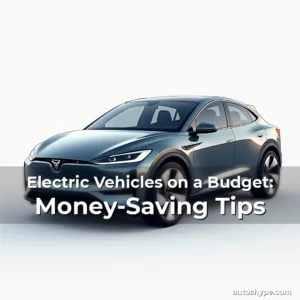
Electric Vehicles on a Budget: Money-Saving Tips
The Future is Electric: A Deep Dive into Modern Electric Vehicles In an era where environmental consciousness meets cutting-edge technology,...