


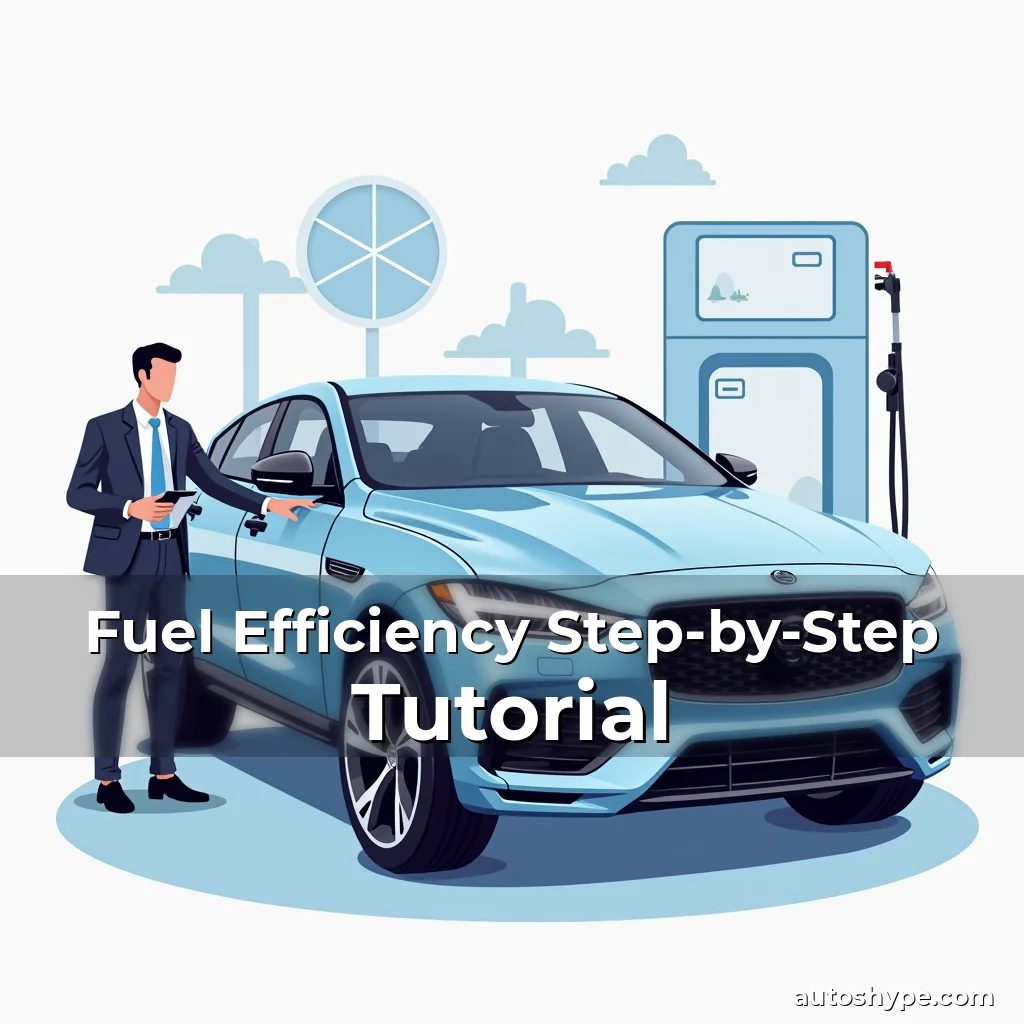
The Ultimate Fuel Efficiency Blueprint for Modern Drivers
In an era where every gallon counts, mastering fuel efficiency has become essential for both budget-conscious drivers and environmentally aware motorists. This guide unveils practical strategies that can significantly reduce your vehicle’s fuel consumption while maintaining performance.
From engine tuning techniques to smart driving habits, we’ll explore how modern technology and mindful practices combine to create substantial savings at the pump. The following steps will transform your approach to fuel economy without compromising convenience or safety.
Tuning Your Engine for Optimal Performance
A well-maintained engine operates at peak efficiency when properly tuned. Regular maintenance ensures components work harmoniously, maximizing fuel utilization while minimizing waste.
Spark plugs play a crucial role in combustion efficiency. Worn-out electrodes increase resistance, forcing the ignition system to work harder and consuming more energy than necessary.
Oxygen sensors monitor exhaust emissions continuously. When they fail, engines compensate by enriching the air-fuel mixture, resulting in unnecessary fuel consumption.
- Replace spark plugs: Factory-recommended intervals ensure optimal ignition performance
- Check oxygen sensor health: A faulty sensor can decrease fuel efficiency by up to 40%
- Clean throttle bodies: Carbon buildup restricts airflow, increasing engine workload
Maintenance schedules vary based on driving conditions and manufacturer recommendations. Always consult your owner’s manual for precise service intervals tailored to your vehicle’s needs.
Modern vehicles equipped with direct injection systems require special attention. These advanced engines demand meticulous cleaning procedures to maintain their high-efficiency capabilities.
Mastering Driving Techniques for Better Mileage
Driving style accounts for approximately 25% of fuel consumption variations between similar vehicles. Adopting efficient techniques can yield remarkable improvements in overall fuel economy.
Smooth acceleration patterns conserve energy by avoiding abrupt speed changes that force the engine to consume extra fuel. Gradual increases allow the transmission to shift optimally through gear ranges.
Anticipatory braking is equally important. Planning stops ahead of time allows you to decelerate gradually rather than relying on heavy brake applications which waste kinetic energy.
Proper use of cruise control maintains consistent speeds on highways, reducing fuel burn from fluctuating velocities. However, avoid using it on winding roads where constant adjustments would negate its benefits.
City driving requires particular attention to stop-and-go traffic. Maintaining momentum through intersections whenever possible reduces frequent starts that drain fuel reserves rapidly.
Leveraging Advanced Technology for Enhanced Efficiency
Modern vehicles come equipped with sophisticated features designed specifically to enhance fuel economy. Understanding these technologies enables smarter usage patterns that maximize their potential.
Regenerative braking systems found in hybrid models capture kinetic energy during deceleration. This stored power supplements traditional battery systems, reducing reliance on fossil fuels.
Eco-driving modes optimize various parameters including throttle response and climate control settings. Activating these modes typically results in measurable improvements in miles per gallon ratings.
Sensors monitoring tire pressure fluctuations provide real-time data about rolling resistance effects. Properly inflated tires reduce friction, allowing vehicles to move more efficiently over road surfaces.
Some luxury models feature predictive route optimization software. By analyzing upcoming terrain changes, these systems adjust power delivery proactively to maintain optimal fuel consumption levels.
Optimizing Vehicle Load and Aerodynamics
Unnecessary weight inside a vehicle directly impacts fuel consumption rates. Every additional pound forces the engine to work harder to maintain desired speeds.
Rear-mounted cargo carriers increase aerodynamic drag significantly. Even when empty, these accessories create turbulence that increases wind resistance against moving vehicles.
Roof racks similarly contribute to increased drag coefficients. Removing them during non-use periods improves fuel economy by reducing air resistance acting upon the vehicle.
Keeping windows closed at highway speeds minimizes turbulence inside the cabin. Open windows create significant drag that decreases overall fuel efficiency dramatically.
Streamlined body designs inherently offer better aerodynamic properties. Vehicles with lower drag coefficients achieve superior mileage figures compared to boxier counterparts.
Choosing the Right Tires for Maximum Efficiency
Tire selection plays a critical role in determining fuel economy outcomes. Certain characteristics influence rolling resistance and heat generation differently depending on construction materials used.
Low rolling resistance tires are specially engineered with optimized tread compounds that minimize energy loss as wheels rotate along pavement surfaces.
Wider tires generally produce higher rolling resistance due to larger contact patches with the road. Narrower profiles often result in improved fuel economy metrics.
Proper inflation remains vital regardless of tire type selected. Underinflated tires significantly increase rolling resistance, requiring more energy to propel the vehicle forward.
Seasonal considerations affect tire choice as well. Winter tires may be necessary but tend to have slightly worse fuel economy ratings compared to summer-rated alternatives.
Managing Climate Control Systems Efficiently
Heating and cooling systems represent some of the largest contributors to fuel consumption beyond basic propulsion requirements. Strategic use can substantially impact overall efficiency metrics.
Using seat heaters instead of blowing hot air onto occupants consumes less energy since it targets warmth directly to individuals rather than heating entire cabins.
Pre-cooling or pre-heating vehicles before starting the engine wastes fuel unnecessarily. Instead, use timers or remote start systems judiciously to maintain comfort without excessive fuel expenditure.
Recirculating interior air rather than drawing in outside air helps maintain desired temperatures faster, reducing compressor workload and associated fuel consumption.
Regular maintenance of HVAC systems ensures optimal performance. Clean filters and properly functioning compressors operate more efficiently, reducing strain on the engine.
Planning Routes Strategically for Improved Economy
Route optimization becomes increasingly important as fuel prices rise. Smart navigation choices can lead to considerable savings over extended driving periods.
Highway driving offers better fuel economy than city streets primarily because of reduced idling times and fewer stop-start cycles that diminish efficiency gains.
Real-time traffic updates help identify alternate routes that might appear longer visually but actually involve fewer congestion points leading to smoother travel experiences.
Avoiding steep inclines whenever possible conserves energy that would otherwise be expended overcoming gravitational forces acting against motion.
Consolidating errands into single trips minimizes total distance traveled, directly translating into proportional reductions in fuel consumed across multiple journeys.
Monitoring Fuel Consumption Patterns
Tracking fuel usage patterns provides valuable insights into areas needing improvement. Consistent records enable identification of trends that indicate inefficiencies developing over time.
Many modern vehicles include trip computers displaying instantaneous fuel economy readings. Monitoring these metrics helps detect sudden drops that might signal underlying issues.
Comparing fuel costs across different driving conditions reveals which factors most heavily influence consumption rates under varied circumstances.
Analyzing seasonal variations helps account for environmental influences such as temperature extremes affecting engine operation and fluid viscosity properties.
Sharing data with other drivers creates opportunities for benchmarking performances against peers who drive similar models under comparable conditions.
Conclusion
This comprehensive blueprint outlines proven methods for enhancing fuel efficiency across multiple aspects of vehicle operation. From mechanical maintenance to intelligent driving decisions, each element contributes meaningfully toward achieving better mileage outcomes.
Implementing these strategies consistently yields tangible benefits reflected in reduced fuel expenditures and enhanced vehicle longevity. Remember, small changes adopted regularly accumulate into substantial savings over time.


news is a contributor at AutosHype. We are committed to providing well-researched, accurate, and valuable content to our readers.
You May Also Like


Professional Fuel Efficiency: Advanced Techniques
Mastering Fuel Efficiency: Unlock Hidden Power in Your Ride Fuel efficiency isn’t just about saving money—it's about harnessing every drop...

Lexus NX350H: A Well-Rounded Package with a Price that Beats the Competition
Lexus NX350H - a luxury SUV that has been generating a lot of buzz in the market lately. With its...

Mazda’s Bold Plan to Revive the Sedan Market
Mazda is bucking the trend of engine downsizing and is considering a bold move to revive the sedan market, despite...

The Science Behind Fuel Efficiency: How Modern Vehicles Conquer Miles Per Gallon
The Science Behind Fuel Efficiency: How Modern Vehicles Conquer Miles Per Gallon Fuel efficiency has become a cornerstone of modern...