


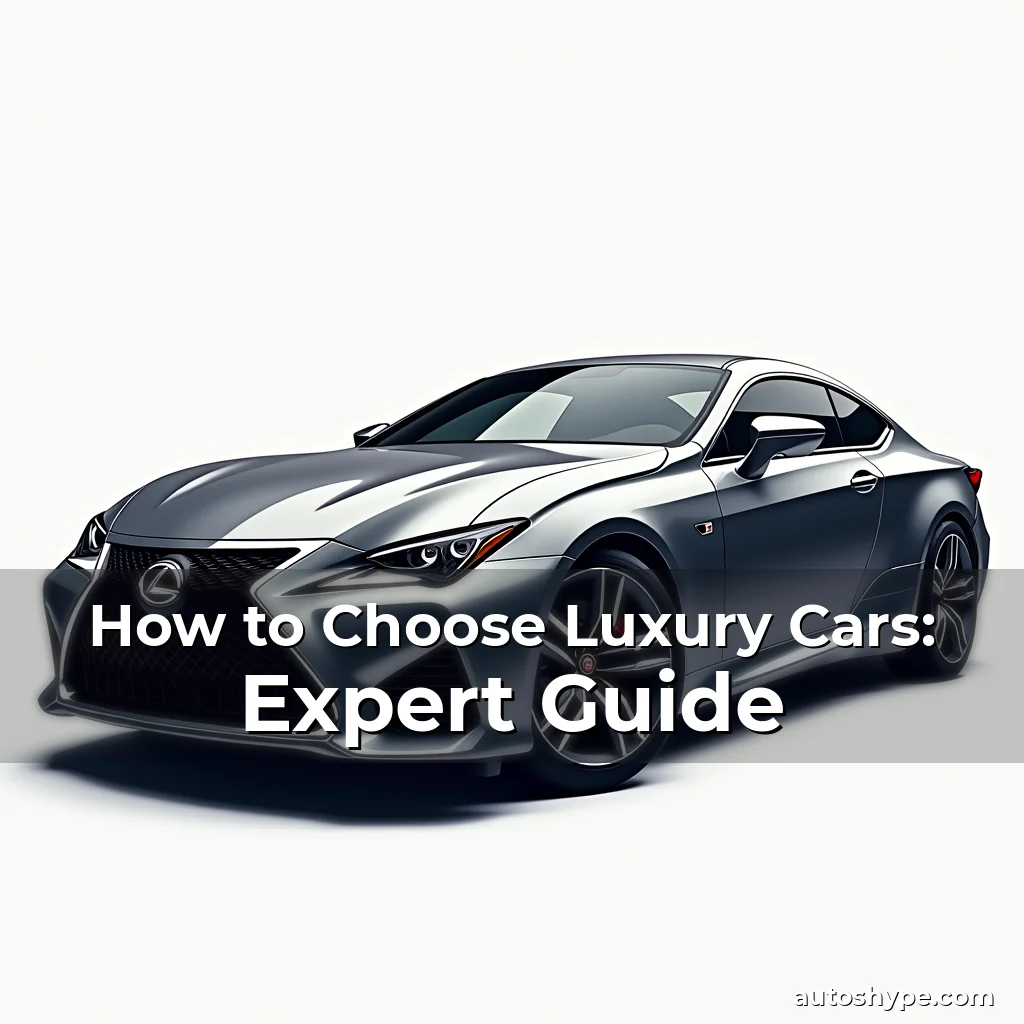
The Ultimate Guide to Selecting the Perfect Luxury Car: A Journey Through Elegance and Performance
In an era where automobiles transcend mere transportation, luxury cars stand as symbols of status, innovation, and personal expression. For discerning drivers who demand both sophistication and performance, selecting the right luxury vehicle is akin to choosing a partner in life—one that complements your lifestyle while pushing boundaries.
This guide delves deep into the world of high-end motoring, exploring everything from defining characteristics of true luxury vehicles to cutting-edge technologies shaping today’s elite driving experience. Whether you’re upgrading your current ride or entering the luxury market for the first time, these insights will help you navigate this exclusive realm with confidence.
Understanding What Makes a Vehicle Truly Luxurious
Luxury in automotive terms extends far beyond leather upholstery and chrome accents. It encompasses meticulous attention to detail, uncompromising build quality, and technological advancements tailored to elevate every journey.
True luxury cars often feature handcrafted interiors using premium materials such as Italian leather, exotic woods, and bespoke stitching techniques passed down through generations of master artisans. These elements transform a simple seat into a masterpiece of comfort and craftsmanship.
Performance also plays a crucial role in defining luxury. While some prioritize opulence above speed, others blend engineering excellence with lavish appointments. The best luxury brands excel at harmonizing both aspects seamlessly.
Advanced driver assistance systems have become standard in modern luxury models. From adaptive cruise control to automated parking features, these innovations ensure safety without sacrificing elegance.
- Material Quality: Top-tier manufacturers source only the finest materials, ensuring durability and visual appeal endure over years of ownership.
- Bespoke Options: Many luxury automakers offer extensive customization programs allowing buyers to tailor their vehicles according to individual preferences.
- Brand Heritage: Established names like Rolls-Royce or Bentley carry centuries-old legacies that contribute significantly to perceived value and exclusivity.
While price points vary widely across different segments, what remains constant is the commitment to exceptional customer service experiences—from personalized fittings to concierge-level after-sales support.
Defining Your Needs and Preferences
Selecting a luxury car begins with self-reflection. Consider how frequently you’ll be driving, preferred destinations, and any specific requirements related to seating capacity or cargo space.
Families might prioritize spacious interiors with advanced child-safety features, while business professionals could favor vehicles offering executive lounge-style cabins equipped with state-of-the-art communication tools.
For those seeking adventure, off-road capable luxury SUVs provide thrilling terrain capabilities without compromising interior refinement. Meanwhile, purists may opt for grand tourers designed specifically for long-distance cruising comfort.
Evaluating your daily commute patterns can reveal surprising needs—such as whether heated steering wheels or multi-zone climate controls would enhance your driving pleasure during harsh weather conditions.
It’s equally important to consider future-proofing aspects; factors like fuel efficiency ratings, electric vehicle options, and potential resale values should factor heavily into decision-making processes.
Visiting dealerships allows hands-on evaluation of various models against your criteria. However, it’s wise to research extensively beforehand so you know exactly which features matter most when test-driving candidates.
Exploring Leading Luxury Brands and Their Unique Offerings
The luxury automobile sector boasts several prestigious names each bringing distinct philosophies regarding design, technology, and overall brand identity.
Rolls-Royce epitomizes ultimate exclusivity with its Phantom series—the pinnacle of bespoke craftsmanship where every component is meticulously hand-finished by skilled artisans working within strict tolerances measured in microns.
Bentley combines British heritage with powerful V8/V12 engines under the hood, delivering both raw performance and sumptuous interiors featuring materials sourced globally—including rare wood veneers and hand-stitched hides.
Porsche sets itself apart through its sport-focused approach even among luxury marques. Models like the Panamera merge supercar agility with limousine-like comforts, appealing particularly to those craving dynamic handling alongside refined appointments.
Mercedes-Maybach represents another facet of German engineering prowess, focusing on ultra-luxurious sedans packed full of ambient lighting effects, diamond-trimmed instrument panels, and AI-powered assistants enhancing convenience levels unprecedentedly.
Lexus offers Japanese precision blended with understated elegance, emphasizing reliability and hybrid powertrain technologies that cater increasingly towards environmentally conscious consumers within affluent demographics.
Audi continues redefining luxury through innovative quattro all-wheel drive systems combined with virtual cockpit displays projecting digital dashboards onto glass surfaces—an evolution of traditional gauges now enhanced via augmented reality overlays.
Differentiating Between Premium and Ultra-Luxury Segments
The luxury car spectrum spans multiple tiers, with distinctions becoming clearer upon closer examination of pricing structures and feature sets available within each category.
Premium luxury vehicles typically start around $60k-$90k range, offering substantial upgrades over mainstream offerings but still maintaining accessibility compared to ultra-high-end counterparts. Brands like BMW M Series fall here, providing track-ready performance wrapped up in elegant designs.
Ultra-luxury segment commands prices exceeding $200k+, reserving exclusivity for select clientele willing to pay top dollar for custom-built machines embodying peak perfectionism. Only limited production runs exist for certain models due to their bespoke nature.
Mid-range luxury options occupy sweet spots between affordability and indulgence, exemplified well by Cadillac CT6-V which balances strong V-SHX engine outputs with rich cabin treatments worthy of executive suites aboard airplanes.
Emerging players are challenging established hierarchies too—Tesla Model S Plaid demonstrates how electrification can redefine expectations regarding acceleration figures while retaining minimalist aesthetics favored amongst tech-savvy buyers seeking sustainability credentials along with blistering speeds.
Technological Innovations Shaping Modern Luxury Vehicles
Contemporary luxury cars integrate sophisticated technologies aimed at enhancing both driving dynamics and passenger experiences. From autonomous driving capabilities to immersive entertainment systems, innovation drives continuous improvements in this competitive arena.
Sensors embedded throughout the vehicle constantly monitor surroundings, enabling features like automatic emergency braking and lane departure warnings. Some models go further by incorporating surround-view cameras creating seamless transitions between exterior and interior environments.
Infotainment systems have evolved dramatically, transitioning from basic radio setups toward fully integrated platforms supporting voice command functions, mobile device synchronization, and even gesture-controlled interfaces responding intuitively to user motions near touchscreens.
Interior climate control solutions now include biometric sensors adjusting temperature settings based on occupants’ physiological states—a testament to how deeply connected our devices have become with human behavior patterns.
Personalization extends beyond physical modifications; many new models allow users to configure ambient lighting schemes via smartphone apps, setting moods instantly before even settling into seats.
Voice recognition software has improved significantly, distinguishing clearly between different speakers inside the vehicle thanks to machine learning algorithms trained specifically on multilingual datasets collected worldwide.
Assessing Safety Features in Luxury Automobiles
Despite their association primarily with style and comfort, modern luxury cars incorporate robust safety measures rivaling—if not surpassing—those found in more utilitarian vehicles. Advanced crash-test results demonstrate consistent excellence across leading brands.
Structural integrity forms foundation upon which all other protective mechanisms rely. High-strength steel frames combined with reinforced crumple zones absorb impact forces effectively distributing energy away from critical areas housing passengers.
Active safety systems represent next frontier in vehicular protection. Technologies such as predictive emergency braking utilize forward-facing radar units detecting obstacles ahead then initiating pre-braking sequences milliseconds prior to actual collision occurrence.
Passive restraint systems continue evolving too—with three-point seatbelts now featuring pretensioners automatically tightening straps during sudden deceleration events reducing risk of injury substantially.
Child safety provisions remain paramount consideration especially for families contemplating purchases within this bracket. Specialized ISOFIX attachment points facilitate secure installation of infant carriers minimizing movement during abrupt stops or turns.
Even windows benefit from enhanced security protocols—electrochromic tinting changes opacity dynamically protecting privacy yet allowing adequate visibility for safe navigation regardless of external light conditions prevailing outside.
The Environmental Impact of Luxury Vehicles
As global awareness surrounding ecological footprints intensifies, luxury car manufacturers face increasing pressure to adopt sustainable practices without compromising aspirational qualities associated with owning prestige automobiles.
Hybrid powertrains bridge gap between traditional combustion engines and fully electric drivetrains, achieving impressive fuel economy numbers while retaining classic driving sensations beloved by connoisseurs familiar with mechanical intricacies inherent within internal combustion units.
Electric variants introduce new paradigms regarding performance metrics—Tesla Model S Plaid achieves sub-three-second zero-to-sixty times despite being entirely battery powered, proving sustainability doesn’t inherently mean sacrificing thrill-seeking tendencies.
Manufacturing processes themselves undergo transformation towards greener alternatives including recycled materials used extensively within interiors decreasing reliance solely on virgin resources extracted through resource-intensive methods previously dominating industry norms.
Some companies implement carbon offsetting initiatives compensating emissions generated throughout entire lifecycle—from extraction stages through disposal phases ensuring net-zero environmental impact achieved ultimately.
Consumer education efforts play vital role too; transparency about eco-friendly choices empowers informed decisions helping align personal values with tangible actions taken when purchasing high-value assets representing significant financial commitments.
Maintaining Your Investment: Care Tips for Luxury Vehicles
Owning a luxury car requires more than occasional washes and routine oil changes—it demands dedicated maintenance strategies preserving original condition and maximizing longevity of expensive components.
Schedule regular visits with authorized service centers specializing exclusively in servicing high-end makes. Technicians there possess specialized training required to handle proprietary systems unique to particular brands ensuring optimal functionality maintained consistently over years.
Use manufacturer-recommended fluids and parts whenever possible. Generic substitutes might seem cost-effective initially but could lead to premature wear issues manifesting later causing greater expenses overall when repairs eventually become necessary.
Cleanse exteriors carefully avoiding abrasive cleaners that might scratch delicate paint finishes susceptible damage from improper cleaning agents applied incorrectly without proper knowledge about correct procedures involved.
Protect interiors from sun exposure utilizing UV-blocking window films preventing fading effects noticeable on fabric upholstery or leather trim overtime subjected prolonged direct sunlight exposure unprotected.
Consider investing in professional detailing services periodically rather than relying purely upon DIY approaches lacking expertise needed properly restore factory shine lost gradually through normal usage patterns experienced daily by typical owners.
Financing and Ownership Considerations
Acquiring a luxury car involves complex financial considerations extending beyond initial purchase price encompassing insurance premiums, registration fees, and ongoing maintenance costs—all impacting total lifetime expenditure significantly.
Research loan rates thoroughly comparing offers from banks versus dealership financing packages potentially containing hidden charges masked beneath attractive introductory interest rates expiring quickly thereafter unless negotiated skillfully upfront.
Insurance policies differ markedly depending on chosen model—high-performance variants usually attract higher premiums reflecting increased accident risks correlated with faster speeds achievable by such machinery compared ordinary consumer-grade autos.
Leasing presents alternative pathway avoiding outright ownership burdens though entails limitations regarding mileage caps and restrictions concerning modifications made permissible under lease agreements signed at outset establishing boundaries acceptable within contractual obligations.
Resale values fluctuate considerably influenced largely by brand reputation, model popularity, and condition preserved throughout tenure of possession. Certain models retain better appreciation percentages over time making them astute investments if retained appropriately.
Tax implications shouldn’t be overlooked either—some jurisdictions impose additional levies targeting vehicles falling within specified horsepower thresholds aiming discourage excessive consumption encouraging responsible ownership behaviors aligned with broader societal goals promoting sustainability ideals embraced globally nowadays.
Conclusion
Selecting a luxury car involves careful consideration of numerous factors ranging from personal preferences to long-term investment potential. By understanding key attributes defining genuine luxury vehicles alongside evaluating practical necessities, you position yourself advantageously when making final decisions.
Whether pursuing exhilarating performance, unmatched comfort, or pioneering technologies reshaping future mobility landscapes, remember that true luxury lies not merely in possessions acquired but rather in experiences created through journeys undertaken behind wheel selected wisely after thorough deliberation process outlined herein.


news is a contributor at AutosHype. We are committed to providing well-researched, accurate, and valuable content to our readers.
You May Also Like


Common Luxury Cars Mistakes to Avoid
The Hidden Pitfalls of Owning a Luxury Car: What Every Enthusiast Should Know Luxury cars are often seen as symbols...

800k luxury car thieves get more than 30 years after bragging of crimes on social media
The Rise of Vehicle Theft in Coventry Vehicle theft has been a persistent problem in Coventry, with thieves targeting vehicles...

The Pinnacle of Performance: Unveiling the World's Most Exclusive Luxury Cars
The Pinnacle of Performance: Unveiling the World's Most Exclusive Luxury Cars In an era where automotive excellence is measured in...
Luxury Cars vs Alternatives: Complete Comparison
Luxury Cars vs Alternatives: Complete Comparison In today’s fast-paced world, luxury cars have transcended their role as mere transportation tools....