


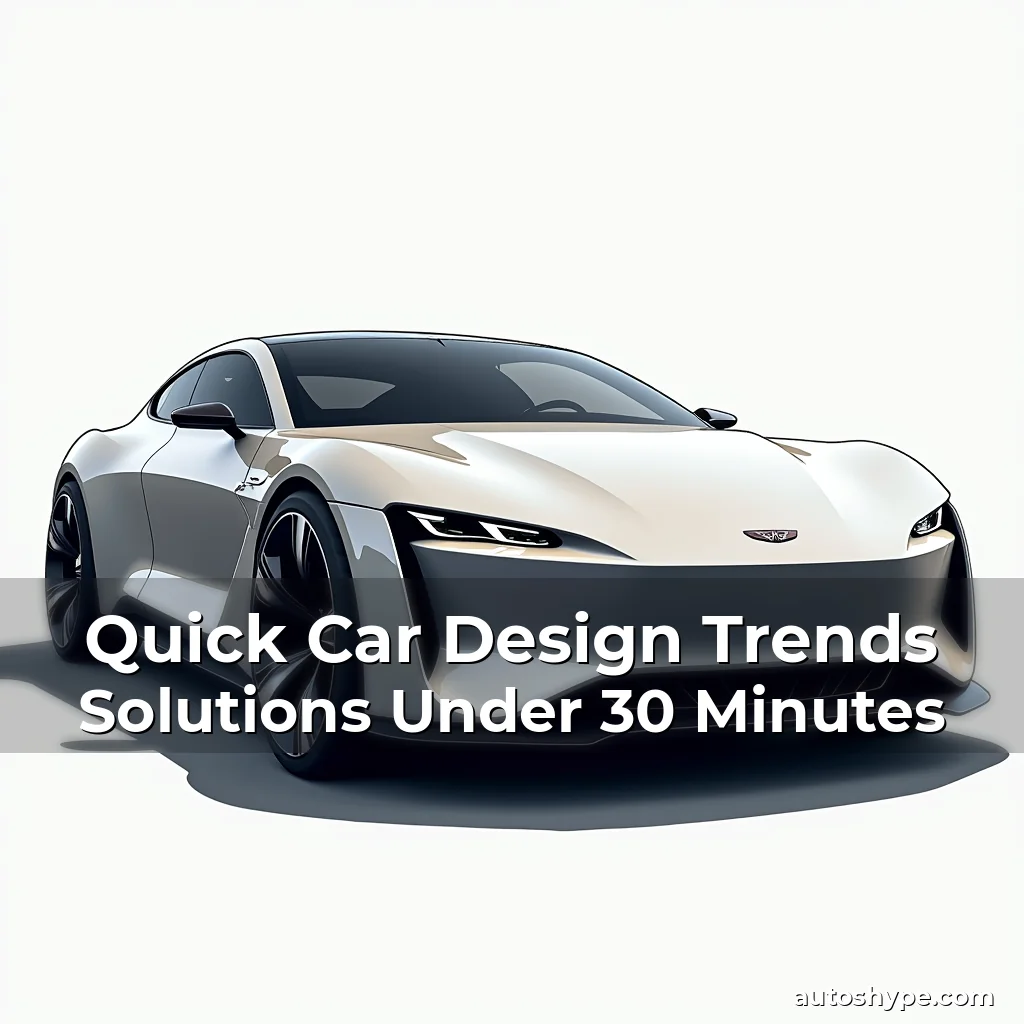
Revolutionizing Aesthetics: The Top 10 Car Design Innovations Shaping Tomorrow’s Automotive Landscape
In an era where innovation meets imagination, car design has transcended mere functionality to become a canvas for artistic expression and technological advancement. As we step into the future, automotive designers are redefining what cars can be—melding aerodynamics with aesthetics while integrating cutting-edge materials and sustainable practices.
The evolution of car design reflects not only advancements in engineering but also shifts in consumer preferences towards eco-friendliness, safety, and personalization. From sleek electric vehicles to bold concept cars showcased at global auto shows, the industry is undergoing a transformation that promises to reshape our relationship with transportation.
The Rise of Electric Vehicle Aesthetics
The advent of electric vehicles (EVs) has ushered in a new chapter in car design, characterized by streamlined forms and innovative features tailored to enhance efficiency and performance. Unlike traditional combustion engines, EVs offer greater flexibility in shape and structure due to their simpler powertrain systems.
This newfound freedom allows designers to experiment with unconventional shapes, such as flat underbodies and minimalistic front grilles, which contribute significantly to reducing drag and improving energy efficiency. These design choices are pivotal in maximizing range and minimizing environmental impact, aligning perfectly with the growing demand for sustainability in the automotive sector.
Moreover, the absence of exhaust systems and complex engine components enables manufacturers to create more open spaces within the vehicle’s interior, promoting a sense of spaciousness and modernity. This shift toward openness contrasts sharply with the cluttered interiors typical of conventional gasoline-powered cars.
- Aerodynamic Efficiency: Sleek designs reduce air resistance, enhancing battery life and overall performance.
- Interior Openness: Removal of bulky mechanical parts creates roomier, more contemporary cabins.
As automakers continue to refine these aesthetic elements, they’re not only addressing functional needs but also appealing to consumers who seek both style and substance in their vehicles. The result is a harmonious blend of form and function that resonates deeply with today’s environmentally conscious buyers.
Sustainable Materials in Modern Automobiles
The integration of sustainable materials marks another significant trend reshaping car design, reflecting a broader societal push towards environmental responsibility. Manufacturers are increasingly turning to recycled plastics, bio-based composites, and plant-derived fibers to construct various components of automobiles.
Beyond merely replacing traditional materials, companies are exploring ways to incorporate these eco-friendly alternatives without compromising durability or safety standards. For instance, some luxury brands have begun using carbon fiber reinforced polymers made from renewable resources, which provide strength comparable to conventional materials while significantly lowering their carbon footprint.
Additionally, there’s a growing emphasis on upcycling existing materials rather than relying solely on newly sourced ones. This approach not only reduces waste but also supports circular economy principles that prioritize resource conservation over consumption.
By adopting such strategies, automobile producers aim to meet evolving consumer expectations regarding ethical manufacturing processes and long-term product viability. This commitment extends beyond just material selection; it encompasses entire production cycles aimed at minimizing ecological harm across every stage of development.
Eco-Friendly Manufacturing Practices
Alongside the use of sustainable materials comes a parallel movement toward greener manufacturing techniques. Many leading automotive firms now implement closed-loop water recycling systems during assembly lines, drastically reducing freshwater usage compared to traditional methods.
Furthermore, advances in digital prototyping technologies allow engineers to simulate countless iterations virtually before committing physical resources—an initiative that cuts down on raw material waste associated with trial-and-error approaches used previously.
These combined efforts signify a holistic shift within the industry towards creating vehicles that serve dual purposes: offering high-quality mobility solutions while simultaneously contributing positively to planetary health through reduced emissions and optimized resource utilization.
The Influence of Technology on Contemporary Car Styling
Technology plays a crucial role in shaping current car styling trends, influencing everything from exterior dimensions to internal layouts. Advanced computer modeling software empowers designers to craft intricate bodywork with precision never before achievable manually.
One notable example includes the incorporation of active grille shutters—a feature enabled by sophisticated sensors capable of adjusting airflow dynamically based on driving conditions. Such innovations demonstrate how seamlessly technology integrates into visual identity without sacrificing elegance or sophistication.
Similarly, LED lighting systems have revolutionized headlight design possibilities, allowing for highly customizable illumination patterns that go far beyond basic visibility functions. These lights often double as communication tools between drivers via dynamic signals visible even when parked.
As autonomous driving capabilities evolve further, we may witness entirely new interpretations of vehicle architecture designed around enhanced sensor arrays and user interfaces intended specifically for self-driving modes. This could lead us away from traditional SUV-like silhouettes toward more aerodynamically efficient configurations suitable for automated highways.
Personalization Options Expanding Beyond Interior Features
Car customization options extend well past simple color choices nowadays, encompassing bespoke exteriors complete with custom paint jobs, unique wheel designs, and specialized trim finishes available exclusively through manufacturer programs.
This level of personalization caters particularly well to affluent customers seeking distinctiveness among similar models sold commercially. High-end marques frequently collaborate with renowned artists or fashion houses to produce limited edition variants featuring exclusive motifs inspired by pop culture icons or historical artifacts alike.
Such collaborations elevate vehicular ownership experiences beyond mere transportation utility into realms akin to collecting rare art pieces—where each element contributes uniquely towards crafting one-of-a-kind expressions reflective of individual tastes and aspirations.
With ongoing developments in augmented reality applications integrated into dashboard displays, future personalizations might include interactive environments inside cars responding adaptively according to occupants’ moods or preferences sensed automatically through biometric data collected discreetly yet effectively.
Evolutionary Shift Towards Minimalist Exterior Designs
A discernible pattern emerging globally involves simplifying external appearances through minimalist philosophies emphasizing clean lines, subdued colors, and restrained ornamentation styles reminiscent of Scandinavian design principles applied selectively within automotive contexts.
This trend appeals especially strongly to urban dwellers prioritizing practicality alongside aesthetics, preferring vehicles whose understated profiles complement cityscapes rather than dominate them visually. Simpler exteriors also tend to require less maintenance over time since fewer embellishments mean reduced chances of damage occurring accidentally during routine use.
Automotive brands embracing minimalism showcase versatility too; same model ranges can easily transition from sporty versions equipped with aggressive spoilers to family-oriented trims devoid of any unnecessary flair whatsoever—all achieved simply through differentiating exterior packages offered concurrently.
While purists may argue against excessive simplicity arguing it detracts from emotional engagement typically evoked by more ornate detailing found historically on classic coupes or muscle cars, proponents believe clarity triumphs complexity given present-day priorities focusing heavily upon usability above all else.
Integration of Smart Technologies Within Vehicle Structures
Smart technology integration represents perhaps the most profound change affecting contemporary vehicle structures, transforming static objects into responsive entities interacting continuously with users throughout daily commutes.
Vehicles now possess embedded connectivity modules facilitating seamless interaction with smartphones, smart homes, and other IoT devices. This interconnectivity enhances convenience levels exponentially by enabling remote diagnostics, real-time traffic updates, and personalized entertainment selections synchronized effortlessly across platforms.
Advancements in artificial intelligence further augment these capabilities, allowing cars to learn driver behaviors and adjust settings accordingly—whether it relates to preferred seat positions, climate control temperatures, or route optimization suggestions based on past travel histories recorded digitally.
Future enhancements envision fully immersive environments where haptic feedback surfaces replace traditional buttons altogether, providing tactile responses mimicking button presses though actually being solid panels beneath fingertips activated electronically instead mechanically.
Redefining Safety Through Innovative Structural Engineering
Modern safety standards necessitate continual refinement of structural engineering methodologies employed across all aspects related directly or indirectly to occupant protection scenarios encountered routinely while operating motor vehicles.
Crumple zones remain fundamental yet have evolved considerably incorporating advanced composite materials engineered explicitly for controlled deformation characteristics ensuring maximum energy absorption rates during collisions without jeopardizing passenger compartment integrity.
Simultaneously, reinforcement strategies target critical junction points susceptible to failure under extreme stress conditions—such as pillars supporting roof structures or frames anchoring doors securely onto chassis bodies regardless of collision angles involved.
Emerging trends suggest potential adoption of adaptive suspension systems linked closely with crash prediction algorithms utilizing AI-driven analytics assessing road surface qualities ahead in advance potentially averting accidents altogether thereby preserving both human lives and property values significantly impacted otherwise.
Futuristic Concepts Pioneering New Directions In Auto Design
Pioneer concepts unveiled annually at prestigious events like Geneva Motor Show or Detroit Auto Show encapsulate visionary ideas poised possibly becoming mainstream eventually after thorough testing phases validating feasibility economically viable mass production scales required meeting market demands sustainably.
Amongst recent highlights includes flying cars conceptualized initially decades ago finally inching closer realization thanks partly due progress seen recently within drone technologies applicable similarly here albeit scaled appropriately considering weight constraints inherent aviation regulations impose universally.
Other intriguing proposals involve modular vehicles composed interchangeable segments allowing transformations—from compact sedans expanding into larger MPVs depending upon immediate requirements thus optimizing space efficiencies crucial densely populated areas facing persistent parking challenges.
Though many still exist firmly rooted speculative territory awaiting breakthroughs either technical limitations overcome successfully or regulatory frameworks established sufficiently permitting commercialization safely assuredly beneficial society collectively.
Conclusion
The landscape of car design continues to evolve rapidly driven primarily by converging forces including electrification imperatives pushing boundaries creatively along side increasing consciousness surrounding ecological footprints demanding responsible stewardship practiced diligently throughout supply chains globally.
For enthusiasts eager stay abreast latest happenings field recommend regularly visiting official websites manufacturers plus subscribing relevant publications dedicated tracking innovations happening currently shaping tomorrow’s automotive scene profoundly impacting everyday interactions people maintain transport mediums relied upon consistently worldwide.


news is a contributor at AutosHype. We are committed to providing well-researched, accurate, and valuable content to our readers.
You May Also Like


Best Car Design Trends Tips and Strategies
The Evolution of Modern Automotive Aesthetics in 2025 In an era where cars are as much art as they are...
Car Design Trends vs Alternatives: Complete Comparison
Car Design Trends vs Alternatives: Complete Comparison The evolution of car design is an ongoing conversation between innovation and tradition,...

Car Design Trends on a Budget: Money-Saving Tips
The Future in Your Garage: Uncovering the Most Exciting Car Design Trends Shaping Tomorrow's Automobiles In an era where technology...
Common Car Design Trends Mistakes to Avoid
Unveiling the Future: A Deep Dive Into Cutting-Edge Car Design Trends Shaping the Automotive Landscape in 2025 The world of...