


The Future is Hybrid: Understanding the Power Behind Modern Hybrid Vehicles
In an era where environmental consciousness meets cutting-edge technology, hybrid vehicles stand at the forefront of innovation in personal transportation. These automobiles blend traditional internal combustion engines with electric propulsion systems, offering a compelling solution to reduce carbon footprints while maintaining performance.
Hybrids are not merely a trend; they represent a significant shift towards sustainable mobility that caters to both eco-conscious drivers and those seeking enhanced fuel efficiency without compromising their driving experience.
The Evolution of Hybrid Technology
The concept of combining two power sources dates back over a century, but modern hybrids have evolved dramatically since Toyota introduced its first mass-produced model in 1997 with the Prius. This marked a turning point that set off a global movement toward greener alternatives.
Since then, manufacturers such as Honda, Ford, and Chevrolet have joined forces with tech innovators to develop increasingly sophisticated hybrid systems capable of meeting diverse consumer demands across various vehicle segments from compact cars to SUVs.
- Early Models: Focused primarily on maximizing fuel economy through regenerative braking and stop-start technologies.
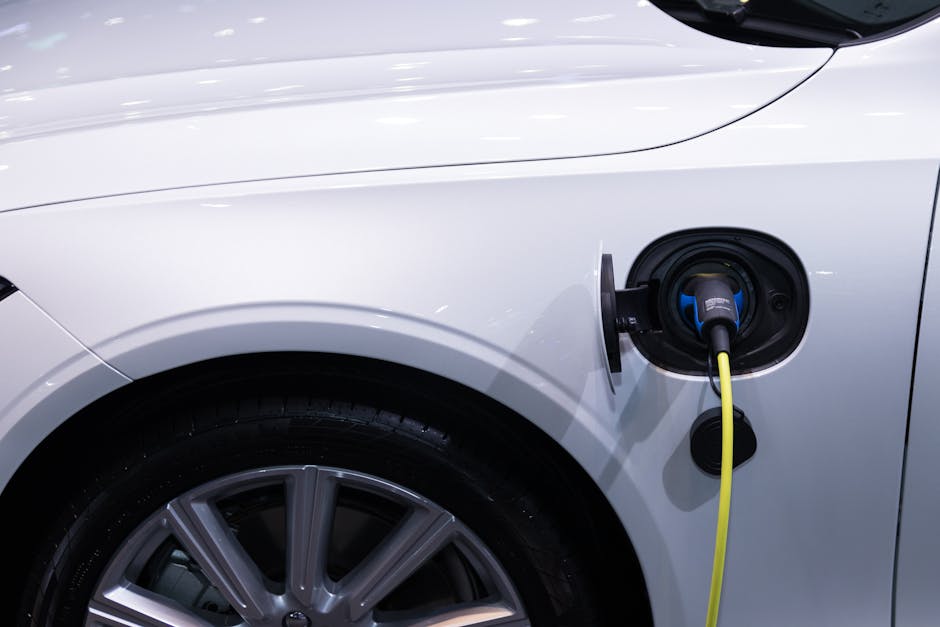
- Advanced Systems Today: Incorporate plug-in capabilities, allowing users to charge batteries separately for extended electric-only range.
How Hybrid Vehicles Work
To grasp what makes these vehicles special, understanding how they operate is essential. A typical hybrid system consists of an internal combustion engine paired with one or more electric motors powered by rechargeable battery packs.
This dual-power setup enables seamless transitions between gasoline-powered operation and electricity-driven modes depending on conditions like speed, terrain, and driver behavior patterns.
Batteries within these systems are recharged using energy recovered during deceleration—a process known as regenerative braking—alongside conventional charging methods when connected to external power sources.
The Role of Regenerative Braking
Regenerative braking stands out as a key feature distinguishing hybrids from traditional vehicles. Instead of wasting kinetic energy lost during stops, this mechanism converts it into electrical energy stored in high-capacity lithium-ion batteries.
Data shows that effective use of regenerative braking can increase overall fuel efficiency by up to 20%, significantly reducing emissions compared to non-hybrid counterparts under similar usage scenarios.
Fuel Efficiency and Environmental Impact
One primary advantage of choosing a hybrid vehicle lies in improved fuel economy figures which translate directly into cost savings for consumers who drive frequently long distances or commute daily.
According to recent studies conducted by leading automotive research institutions, average highway mileage for full hybrids ranges around 50 miles per gallon whereas conventional models typically achieve less than half that figure.
Moreover, reduced reliance on fossil fuels contributes positively towards mitigating climate change effects by lowering greenhouse gas emissions associated with vehicular transport globally.
Economic Benefits Beyond Fuel Savings
Owning a hybrid doesn’t solely benefit the environment—it also offers substantial economic advantages beyond mere fuel consumption reductions. Lower maintenance costs due to decreased wear-and-tear on mechanical components are among these benefits.
Electric motors require fewer moving parts than traditional engines, resulting in minimized need for oil changes, spark plug replacements, and other routine servicing tasks commonly required by purely gasoline-fueled machines.
Tax incentives provided by governments worldwide further enhance financial appeal by offering rebates or exemptions on registration fees specifically designed to encourage adoption rates of low-emission vehicles including hybrids.
Diverse Range of Hybrid Vehicle Types
Not all hybrids function identically nor do they cater equally well to every type of user preference. The market now features several distinct categories each tailored toward different needs ranging from urban commuters needing frequent starts/stop cycles down through luxury seekers wanting premium experiences wrapped inside green credentials.
Among them are mild hybrids equipped with small auxiliary electric motors used mainly for enhancing acceleration rather than replacing entire drivetrains entirely unlike fully electric variants found elsewhere today.
- Mild Hybrids: Ideal for city driving where brief bursts of additional torque help navigate traffic congestion efficiently.
- Full Hybrids: Capable of running exclusively on electric power for short trips before switching automatically based upon demand factors.
- Plug-In Hybrids (PHEVs): Offer greater flexibility thanks to larger battery capacities enabling longer periods operating solely via electricity even after being unplugged post-charging sessions.
Performance Considerations for Hybrid Enthusiasts
For many automotive aficionados concerned about potential trade-offs regarding power output versus ecological gains, rest assured that contemporary designs prioritize delivering robust performances alongside sustainability goals seamlessly integrated together.
Manufacturers invest heavily into engineering solutions ensuring that any perceived compromise related to horsepower levels remains minimal—if present at all—especially considering advancements made recently concerning lightweight materials utilized extensively nowadays across various body structures.
Additionally, some high-performance models incorporate hybrid setups strategically placed near wheels providing instant torque delivery characteristics akin closely resembling those seen traditionally within sports cars category.
Challenges Facing Widespread Adoption
Despite numerous positives surrounding hybrid technology, challenges remain preventing universal acceptance among broader populations desiring access to cleaner transportation options available currently.
Potential issues include initial purchase price premiums often associated with acquiring newer models featuring advanced technological packages bundled within them compared against standard equivalents lacking such enhancements.
Furthermore, concerns persist regarding limited availability of suitable infrastructure supporting widespread deployment especially rural regions still underserved by extensive networks promoting convenient refueling stations easily accessible whenever needed most urgently.
The Road Ahead: Innovations Shaping Tomorrow’s Hybrids
Looking forward, ongoing developments promise exciting possibilities transforming current expectations about future generations poised eventually supplanting existing paradigms altogether completely revolutionizing our approach towards personal mobility forevermore.
Emerging trends suggest continued integration between artificial intelligence algorithms managing complex decision-making processes involved dynamically adjusting operational parameters optimizing real-time efficiencies continuously monitored throughout journeys undertaken regularly.
Advancements anticipated soon involve improvements relating directly towards extending battery life spans coupled simultaneously achieving faster charging times potentially rivaling convenience offered previously only attainable through purely electrified platforms hitherto considered exclusive domains belonging strictly unto niche markets previously segmented apart distinctly separate from mainstream offerings available widely accessible today.
Conclusion
Hybrid vehicles embody a crucial step forward in making environmentally responsible choices synonymous with enjoyable driving experiences devoid negative connotations usually attached thereto historically experienced earlier decades past.
By embracing this evolving landscape characterized prominently by continual innovations occurring rapidly accelerating pace unprecedentedly fast, individuals possess opportunity shaping tomorrow’s world through informed decisions favoring sustainable practices aligning perfectly personal values aspirations shared collectively amongst communities striving build better futures ahead.


news is a contributor at AutosHype. We are committed to providing well-researched, accurate, and valuable content to our readers.
You May Also Like


Electric Vehicle Sales Surge in March Amid Global Uncertainty
Global Growth, Regional Hurdles Global electric vehicle (EV) sales surged in March, with a 29 percent year-on-year growth, according to...

Exempt Vehicles from UK Vehicle Excise Duty
Vehicles used by a disabled person • Vehicles used by individuals with a disability can qualify for an exemption •...
New car registrations see 6.7% growth in June, industry's best performance since 2019
The UK's new car market has experienced a significant surge in registrations, with a 6.7% increase in June, the best...

10 Hybrids That Are Best Bought Used Instead Of New
Hybrid Vehicle BenefitsHybrid vehicles have several benefits that make them an attractive option for many car buyers. Some of the...