


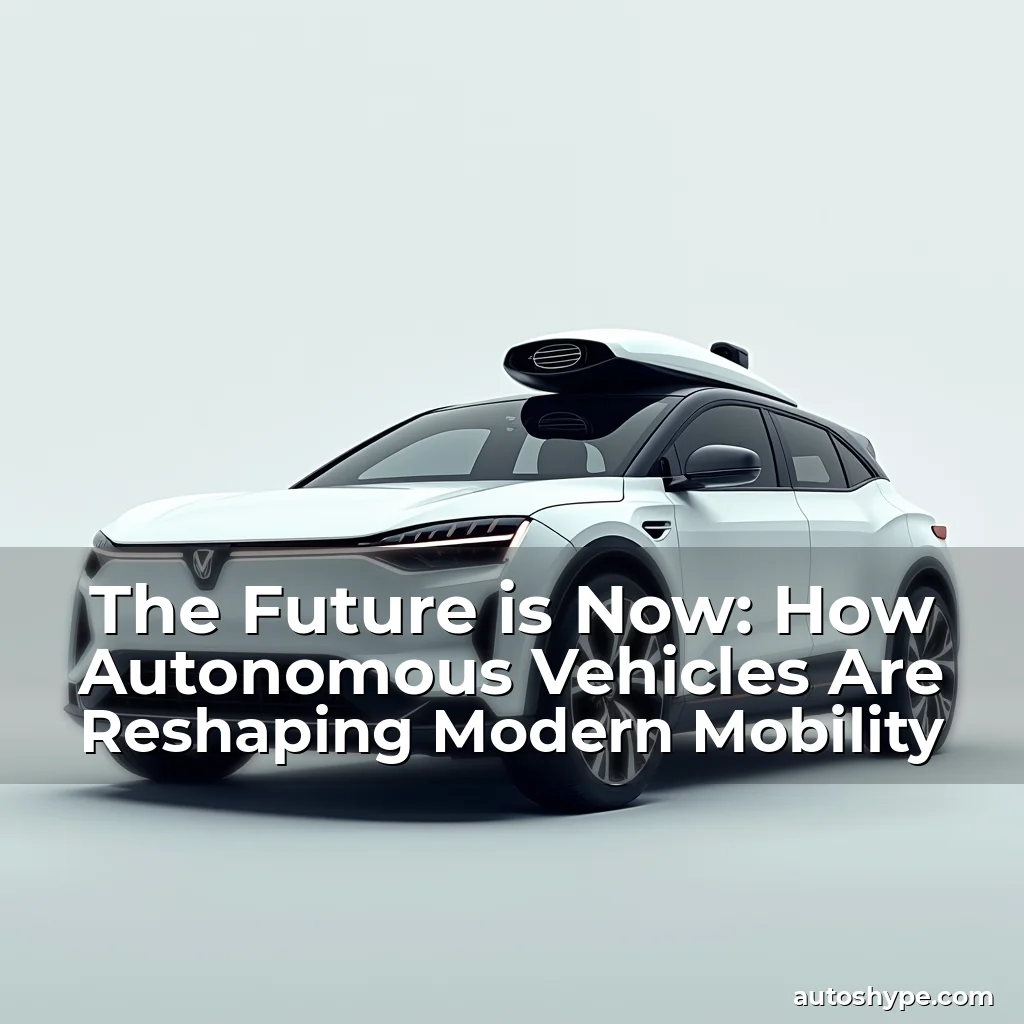
The Future is Now: How Autonomous Vehicles Are Reshaping Modern Mobility
In an era where technology evolves at breakneck speed, autonomous vehicles stand out as one of the most transformative innovations in transportation history. These self-driving machines promise not only convenience but also a safer, cleaner, and more efficient way to travel.
From concept cars in sci-fi movies to real-world prototypes navigating city streets today, autonomous vehicles are rapidly moving from futuristic dream to everyday reality. This evolution is driven by advancements in artificial intelligence, sensor technology, and vehicle-to-everything communication systems.
Understanding the Levels of Autonomy
Autonomous driving capabilities are categorized into six distinct levels according to the Society of Automotive Engineers (SAE). Each level represents increasing degrees of automation and responsibility transfer between human drivers and machine systems.
At Level 0, traditional vehicles require full driver control under all conditions. In contrast, Level 5 autonomy means the vehicle can handle every aspect of driving without any human intervention, operating safely in all environments and road conditions.
- Level 1: Driver assistance features like adaptive cruise control help maintain speed and distance from other vehicles.
- Level 2: Partial automation combines steering and acceleration controls, allowing hands-free driving within certain limitations.
- Level 3: Conditional automation handles most driving tasks but requires driver readiness for takeover situations.
- Level 4: High automation operates autonomously in predefined areas, such as designated urban zones or highways.
- Level 5: Full automation eliminates the need for human input entirely across all driving scenarios.
Most current production vehicles fall somewhere between Level 1 and Level 3 autonomy, offering advanced driver-assistance systems that enhance safety while still requiring active supervision from human operators.
Technological Foundations of Self-Driving Cars
The backbone of autonomous vehicle development lies in sophisticated technological components working in harmony to enable safe navigation through complex environments. Sensor fusion techniques combine data from various sources to create accurate environmental models.
LIDAR sensors use laser pulses to map surroundings with millimeter precision, while radar systems detect objects regardless of weather conditions. Cameras provide visual information, and ultrasonic sensors assist with close-range object detection during parking maneuvers.
Artificial intelligence algorithms process these diverse inputs using deep learning networks trained on vast datasets containing millions of miles of driving experiences. These neural networks identify patterns and make real-time decisions based on context awareness.
Vehicular computing platforms must handle massive amounts of data processing simultaneously, often achieving performance comparable to supercomputers in compact hardware units installed beneath the dashboard.
Vehicle-to-everything (V2X) communication enables autonomous vehicles to exchange critical information with infrastructure elements like traffic lights, pedestrian crossings, and other connected vehicles, enhancing situational awareness beyond what onboard sensors alone could achieve.
Safety Implications and Accident Reduction Potential
The primary motivation behind developing autonomous vehicle technology stems from its potential to significantly reduce traffic accidents caused by human error. According to the National Highway Traffic Safety Administration, over 90% of crashes involve human factors.
Self-driving systems eliminate common causes of accidents such as distracted driving, impaired judgment due to fatigue, and reaction time delays. Advanced perception systems can detect hazards faster than human eyesight allows.
Collision avoidance systems integrated into autonomous vehicles react milliseconds before human reflexes would allow. Emergency braking functions engage automatically when imminent collisions are detected.
Predictive analytics software anticipates dangerous situations hours in advance by analyzing traffic flow patterns and historical accident data. This proactive approach contrasts sharply with reactive measures taken by conventional drivers.
Studies suggest widespread adoption of fully autonomous vehicles could reduce traffic fatalities by up to 80%, transforming road safety paradigms fundamentally across global transportation networks.
Economic Impact on Transportation Industries
The rise of autonomous vehicles will disrupt existing business models in the transportation sector, creating both challenges and opportunities for stakeholders involved in logistics, ride-sharing services, and public transit operations.
Fleet operators may benefit from reduced labor costs associated with professional drivers, although new job roles related to maintenance, cybersecurity, and system monitoring will emerge concurrently. Taxi companies face disruption from automated ride-hailing services utilizing self-driving fleets.
Public transportation authorities might integrate autonomous shuttles into their networks, improving accessibility while reducing operational expenses tied to driver salaries and training programs. Urban planners must reconsider street design principles to accommodate these changes effectively.
Insurance industries will need to adapt policies to account for shifting liability frameworks when determining fault in incidents involving autonomous vehicles versus those operated manually. New risk assessment methodologies incorporating AI behavior analysis will become necessary.
While some employment sectors experience contraction, others expand as demand grows for specialized technical support personnel capable of maintaining complex autonomous systems across various applications domains.
Environmental Benefits and Sustainability Considerations
Autonomous vehicles contribute positively to environmental sustainability goals by optimizing route efficiency and minimizing fuel consumption through intelligent driving strategies. Predictive route planning reduces unnecessary idling and congestion-induced inefficiencies.
Electric-powered autonomous vehicles offer even greater benefits by eliminating tailpipe emissions altogether. Integration with renewable energy grids enhances overall carbon footprint reduction effectiveness significantly.
Congestion management improvements result from optimized traffic flow controlled by coordinated autonomous vehicle networks. Reduced stop-and-go movement lowers greenhouse gas emissions compared to conventional driving patterns.
Smart charging solutions align vehicle recharging schedules with off-peak electricity usage periods, further decreasing strain on power generation infrastructures. Vehicle sharing initiatives promote higher utilization rates which decrease total number of required vehicles.
Data-driven fleet optimization ensures resources are allocated efficiently, preventing waste associated with underutilized assets commonly seen in private ownership models prevalent today.
Legal and Ethical Challenges Ahead
The legal landscape surrounding autonomous vehicles remains largely uncharted territory requiring comprehensive regulatory frameworks addressing liability distribution, data privacy concerns, and ethical decision-making protocols.
Determining accountability becomes complicated when accidents occur between autonomous vehicles or between them and manual drivers. Current insurance structures may prove inadequate for handling claims arising from algorithmic errors rather than human negligence.
Data security issues arise regarding personal information collected by autonomous systems including location tracking histories, behavioral patterns, and biometric identification markers used for authentication purposes.
Moral dilemmas surface concerning programming choices made during emergency situations where unavoidable harm seems inevitable – whether prioritizing passenger safety over pedestrians or protecting property damage versus risking injury.
Governments worldwide struggle with establishing consistent regulations governing testing procedures, deployment timelines, and enforcement mechanisms applicable uniformly across different jurisdictions experiencing varied technological maturity levels.
Consumer Adoption Trends and Market Growth Projections
Early adopter segments among tech-savvy consumers have already begun embracing semi-autonomous features available in luxury vehicle segments. As prices decline through economies of scale, mainstream acceptance accelerates gradually.
Market research firms predict global sales figures for partially autonomous vehicles reaching $60 billion annually by 2025, growing steadily toward full autonomy implementation phases expected around mid-century timeframe projections.
Ride-sharing platforms experiment with pilot programs deploying limited-scale autonomous taxi services in select metropolitan regions where regulatory hurdles remain manageable relative to broader societal impacts considerations.
Automakers invest heavily in R&D efforts focused on refining sensor technologies, improving AI reliability metrics, and ensuring robust cybersecurity defenses against potential hacking threats targeting critical control systems.
Consumers increasingly value convenience features offered by autonomous systems, particularly among aging populations seeking enhanced mobility options previously constrained by physical limitations affecting manual driving capabilities.
Future Innovations and Emerging Technologies
Ongoing research explores novel approaches aiming to overcome remaining limitations hindering complete realization of Level 5 autonomy objectives currently deemed impractical given present-day constraints.
Advancements in quantum computing promise exponential gains in processing power enabling instantaneous decision-making capabilities crucial for high-speed highway environments demanding split-second responses.
Bio-inspired materials science contributes lighter yet stronger structural compositions enhancing energy efficiency while maintaining crash protection standards required for mass-market appeal.
Neural interface technologies investigate direct brain-computer interaction possibilities potentially revolutionizing how users interact with vehicular interfaces eliminating reliance solely upon tactile devices traditionally utilized today.
Swarm intelligence concepts borrowed from biological ecosystems envision interconnected autonomous vehicle networks functioning collectively akin to ant colonies exhibiting emergent behaviors beneficially impacting collective transport efficiencies inexplicably achievable individually.
Conclusion
The journey towards fully autonomous transportation represents one of humanity’s greatest engineering feats poised to redefine mobility as we know it. While significant progress has been achieved, substantial work remains before realizing the full vision of seamless robotic companionship on our roads.
As consumers, investors, and policymakers navigate this transformational period together, staying informed about emerging developments and actively participating in shaping future mobility landscapes proves essential for maximizing positive outcomes aligned with shared values emphasizing safety, sustainability, and equitable accessibilities.


news is a contributor at AutosHype. We are committed to providing well-researched, accurate, and valuable content to our readers.
You May Also Like

Renewed Optimism in Autonomous Driving Sector
The autonomous driving sector has been given a much-needed boost after the National Highway Traffic Safety Administration updated its regulations,...
Waymo's Autonomous Cars Cause Controversy in Austin
In the heart of Texas, the city of Austin has been plagued by numerous complaints about Waymo's autonomous vehicles. The...
May Mobility Lyft autonomous ride service in Atlanta
The Partnership and Integration May Mobility and Lyft have announced a partnership that will integrate self-driving vehicles into Lyft's app....

Common Autonomous Vehicles Mistakes to Avoid
The Hidden Pitfalls of Embracing Autonomous Vehicle Technology In an era where innovation races ahead of regulation, autonomous vehicle technology...