


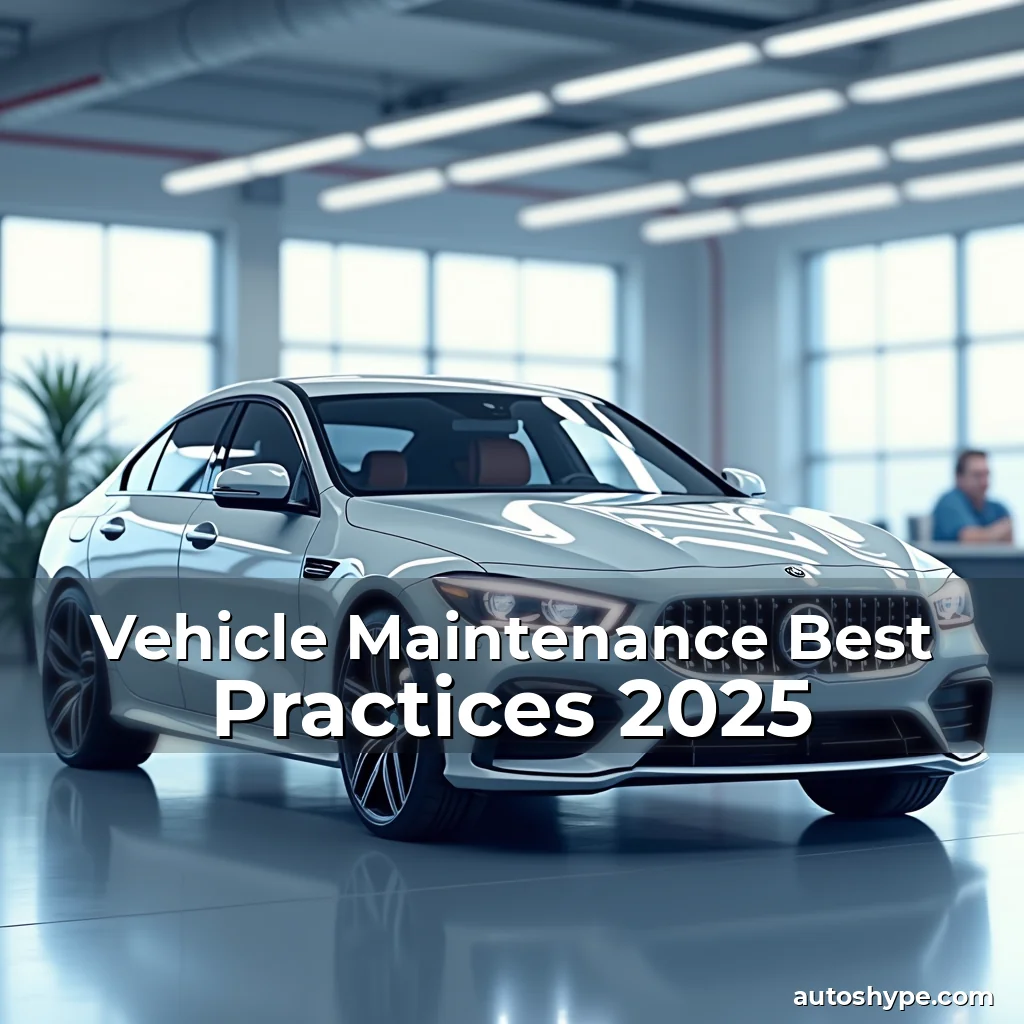
Revving Up Your Ride: Essential Vehicle Maintenance Tips for 2025
In an era where vehicles evolve rapidly with advanced technology and sustainability demands, staying ahead of maintenance requirements isn’t optional—it’s essential. Whether you’re a daily commuter or a weekend racer, understanding your car’s needs can save thousands in repair costs and prevent unexpected breakdowns.
Vehicles today integrate smart sensors and electric components alongside traditional mechanics, making regular inspections even more critical. This guide equips you with actionable strategies tailored for 2025’s automotive landscape, blending timeless wisdom with cutting-edge solutions.
The Foundation: Engine Care and Fluid Management
Your engine is the heart of your vehicle, demanding consistent attention to function efficiently. Regularly checking oil levels ensures optimal lubrication, reducing wear on internal components. Skipping oil changes increases friction, leading to overheating and potential engine failure over time.
Modern engines often specify high-performance synthetic oils designed for extreme temperatures. Always refer to your owner’s manual for recommended viscosity grades, as incorrect choices can compromise protection during cold starts or high-speed driving scenarios.
- Change oil every 5,000–7,500 miles: Follow manufacturer guidelines based on driving conditions and oil type. Short trips may require more frequent changes due to insufficient warm-up periods.
- Monitor other fluids regularly: Coolant, transmission fluid, power steering fluid, and brake fluid degrade over time. Low levels or discoloration signal leaks or contamination needing immediate attention.
Tire Maintenance: Safety Starts Underfoot
Tires are your first line of defense against road hazards, yet many overlook them until a blowout occurs. Proper inflation, alignment, and tread depth significantly affect fuel efficiency, handling, and braking distance.
Underinflated tires increase rolling resistance, raising fuel consumption by up to 3%. Conversely, overinflation reduces contact patches, impairing traction and causing uneven wear patterns across treads.
Rotating Tires for Even Wear
Rotating tires every 6,000–8,000 miles distributes wear evenly, extending lifespan by up to 20%. Front-wheel-drive vehicles benefit most from front-to-rear rotations, while rear-wheel-drive cars may prefer cross-pattern methods.
Combining rotation with professional alignment checks corrects camber, toe, and caster angles, preventing premature tire damage caused by misaligned suspensions. Most dealerships offer package deals combining these services at discounted rates.
Brake System Inspection: Stopping Power Matters
Effective brakes are non-negotiable for safety, particularly with heavier vehicles and faster speeds becoming standard features. Squealing noises, pulsating pedals, or longer stopping distances indicate worn pads or warped rotors requiring service.
Most manufacturers recommend replacing brake pads when thickness reaches ¼ inch, though this varies depending on driving habits. Aggressive stop-and-go city traffic accelerates pad erosion compared to highway cruising.
- Check brake fluid reservoir monthly: Darkened fluid signals moisture contamination, which lowers boiling points during hard stops. Replace fluid every two years to maintain hydraulic integrity.
- Inspect caliper slides annually: Corroded or seized slides hinder even pad movement, creating uneven wear spots visible upon removal. Lubricate moving parts with silicone-based grease during servicing.
Battery Health: The Silent Energy Source
A healthy battery powers ignition systems, lighting, and increasingly complex electronics. Cold weather, parasitic drains from infotainment systems, and age all contribute to diminished capacity long before physical cracks appear.
Testing voltage with a multimeter reveals much—a fully charged battery should read 12.6 volts or higher. Anything below 12.4 volts suggests weak charging capabilities, potentially stranding you mid-commute.
Preventing Battery Failure Through Smart Habits
Using energy-intensive accessories like GPS navigation or heated seats without the engine running accelerates discharge cycles. Limit auxiliary usage during idle times to preserve charge reserves.
Regular terminal cleaning prevents corrosion buildup, which creates electrical resistance hindering proper current flow. Apply petroleum jelly after cleaning terminals to inhibit future oxidation.
Cooling System Integrity: Prevent Overheating
Modern engines operate at higher temps than ever, relying on precise coolant circulation to avoid thermal stress. Leaks, degraded antifreeze, or faulty thermostats risk catastrophic engine damage within minutes of warning signs appearing.
Mixing incompatible coolants—like mixing green and orange formulas—creates gels that clog passages. Always flush the entire system before refilling with fresh 50/50 water-antifreeze mixtures suited for your climate zone.
- Flush radiator every 3–5 years: Deposits accumulate inside hoses and tanks over time, restricting coolant flow. Professional flushing removes sludge buildups undetectable visually.
- Replace thermostat periodically: These temperature-regulating valves fail unexpectedly, causing sudden spikes in engine temp. Newer models feature improved durability but still warrant annual visual inspections.
Interior Cleanliness: Protect Electronics and Comfort
Dust accumulation inside vents leads to clogged air filters, reduced airflow, and increased strain on HVAC systems. Excess humidity promotes mold growth behind dashboards, emitting allergens affecting passengers’ respiratory health.
Use microfiber cloths dampened with distilled water rather than tap water containing minerals that leave streaks. Specialized dashboard cleaners dissolve grime safely without damaging plastic surfaces.
- Schedule cabin filter replacements seasonally: Pollen filters trap allergens, while charcoal variants absorb odors. Replacing them every 15,000 miles maintains optimal ventilation quality.
- Apply UV protectant films: Window tinting blocks harmful rays that fade upholstery colors and crack vinyl trim. Choose legal shades permitted in your state to avoid citations.
Fighting Rust and Corrosion: Longevity Strategy
Even corrosion-resistant steel alloys succumb eventually to saltwater expo Identifying early-stage rust allows repairs before structural compromises occur.
Washing wheels thoroughly after off-road excursions removes abrasive particles embedded in brake dust, which otherwise etch paint finishes and accelerate metal degradation beneath.
- Apply wax coatings semiannually: Protective waxes form sacrificial layers that resist oxidation better than paint alone. Opt for products containing polymer sealants for extended protection.
- Seal seams around body panels: Tar sealer fills gaps where moisture enters frame rails. Regular application prevents rust from spreading into unibody structures.
Leveraging Technology: Diagnostic Tools and Telematics
Onboard diagnostic systems now provide real-time data about engine performance, emissions, and component status via OBD-II ports. Understanding error codes enables targeted troubleshooting instead of guesswork.
Bluetooth-enabled scan tools connect smartphones to vehicle networks, displaying live parameters like oxygen sensor readings or throttle position values. Apps like Torque Pro turn Android devices into portable diagnostic centers.
- Monitor tire pressure digitally: Tire pressure monitoring systems alert drivers automatically, but manually verifying readings with gauge devices provides backup verification.
- Track maintenance history electronically: Cloud-based apps sync with OBD-II adapters to log service events, schedule reminders, and share records securely with mechanics.
Eco-Friendly Practices: Green Driving and Disposal
Responsible disposal of hazardous materials like motor oil, batteries, and refrigerants prevents groundwater contamination. Many auto shops accept these items free of charge, incentivizing environmentally conscious behavior.
Choosing low-VOC (volatile organic compound) paints for touch-ups minimizes indoor air pollution when working on exteriors. Water-based alternatives dry faster and emit fewer toxic fumes indoors.
- Recycle old tires creatively: Donate usable tires for playground equipment or convert them into garden planters. Some communities host periodic collection days for bulk waste.
- Optimize route planning software: Navigation apps calculate shortest paths considering traffic congestion, avoiding unnecessary mileage that wastes fuel and wears down components prematurely.
Seasonal Preparations: Adapting to Weather Changes
Preparing your vehicle for seasonal shifts involves adjusting tire selection, windshield washer fluid strength, and heater functionality. A well-maintained car handles harsh winters and scorching summers far better than neglected ones.
Switching to winter-grade oil (typically 0w-30 or 5w-30) improves cold-start performance in subzero climates. Ensuring antifreeze concentrations meet -34°F (-37°C) specifications protects against freezing expansion ruptures.
- Install snow chains or studded tires: Deep-snow regions benefit from temporary traction aids. Consult local regulations about mandatory chain laws during blizzards.
- Upgrade headlights to LED: Enhanced visibility in foggy conditions comes with brighter beams that penetrate mist better than halogen units. Confirm compatibility with factory wiring harnesses first.
Professional Inspections: When to Seek Expert Help
While DIY skills empower many car owners, certain tasks demand specialized knowledge and equipment found only in certified workshops. Recognizing red flags indicates when to defer responsibility to professionals.
Noises originating from underneath the chassis often signify loose suspension bushings, damaged control arms, or leaking shock absorbers. Attempting to diagnose these issues without proper tools risks further complications.
- Consult technicians for emission testing failures: Complex catalytic converter faults or EGR valve problems require diagnostic scopes and smoke machines available exclusively at garages.
- Hire experts for timing belt replacements: Misalignment during installation causes severe engine damage instantly. Factory-trained mechanics handle this task reliably without risking piston collisions.
Conclusion
From routine oil changes to leveraging digital diagnostics, proactive maintenance transforms your relationship with your vehicle—from reactive fixes to confident ownership. By prioritizing preventive care, you unlock safer travels, enhanced resale value, and greater peace of mind.
Implement these strategies systematically, treating your car as an extension of yourself worthy of respect and investment. Schedule regular check-ups, stay informed about emerging technologies, and remember—the greatest asset you possess remains your ability to learn and adapt continuously.


news is a contributor at AutosHype. We are committed to providing well-researched, accurate, and valuable content to our readers.
You May Also Like

Vehicle Maintenance: Essential Tools and Resources
Vehicle Maintenance: Essential Tools and Resources In an era where vehicles are integral to daily life, maintaining them isn't just...

Drivers Face 5 Times Higher Risk Of Accidents During Rain: Study!
The automotive sector is facing a worrying trend of vehicle owners postponing essential repairs in the face of escalating costs...

The Micro-Hybrid Vehicles Market: A Comprehensive Study
The micro-hybrid vehicles market is a rapidly growing segment of the automotive industry, driven by increasing environmental regulations, rising demand...
Pothole Prevention and Repair: Mitigating the Damage of Freeze-Thaw Cycles
Understanding the Freeze-Thaw Cycle The freeze-thaw cycle is a crucial factor in the formation of potholes. When water freezes, it...