


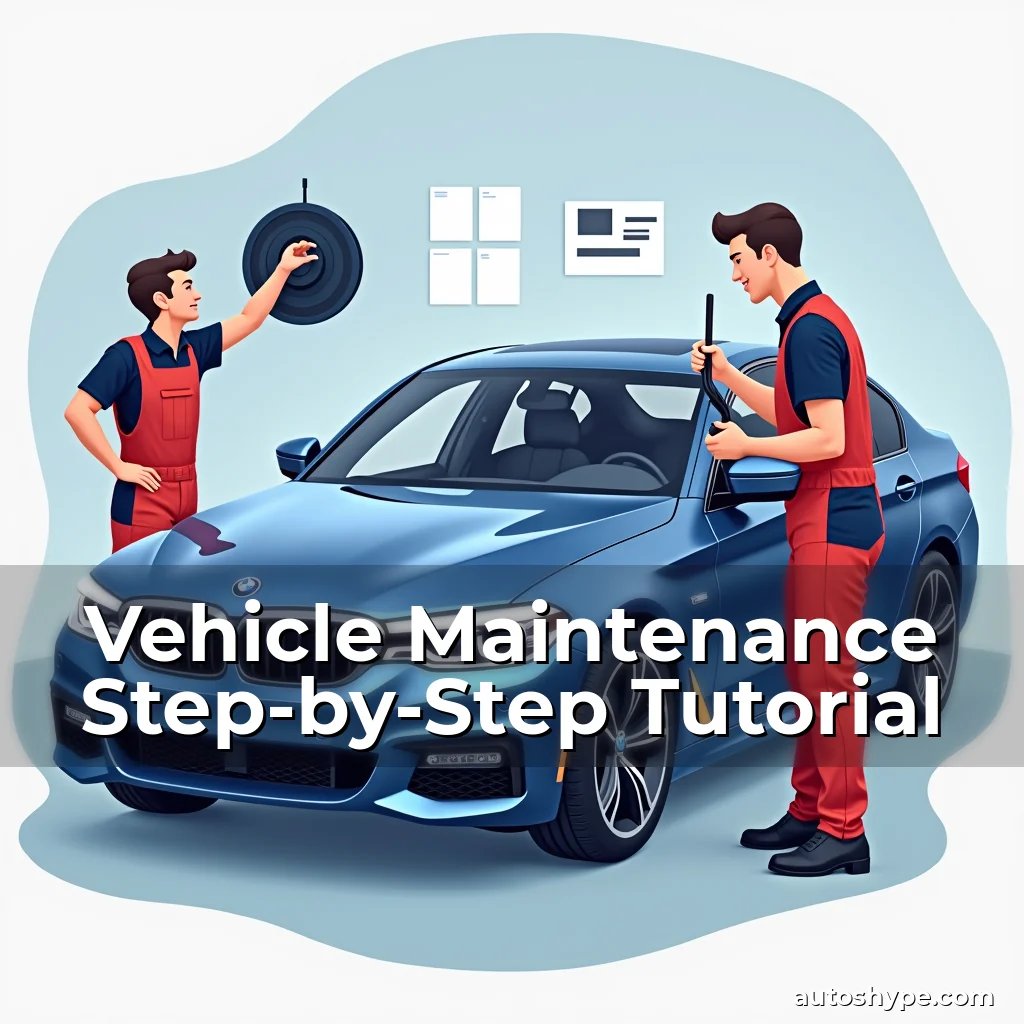
The Ultimate Roadmap to Keeping Your Vehicle in Prime Condition
In an era where vehicles are not only modes of transport but extensions of personal identity, maintaining them becomes both a necessity and an art form. Whether you’re navigating through city traffic or exploring off-road trails, your vehicle’s performance is crucial.
This guide will walk you through every essential aspect of vehicle maintenance tailored specifically for automotive enthusiasts who demand nothing less than excellence from their machines.
Fuel System Care: The Heartbeat of Performance
Your vehicle’s fuel system plays a pivotal role in its overall health and efficiency. Regular inspection ensures that components such as filters, pumps, and injectors function optimally without unnecessary strain.
A clogged fuel filter can significantly reduce engine power while increasing fuel consumption. This simple yet critical component acts as a gatekeeper against debris entering sensitive parts of the ignition system.
Maintaining clean fuel lines prevents corrosion buildup which could lead to blockages over time. These blockages might manifest suddenly during long drives causing unexpected breakdowns.
Fuel pump longevity depends largely on regular servicing intervals recommended by manufacturers. Neglecting these guidelines risks costly repairs down the line.
Modern vehicles equipped with direct injection systems require even closer attention since they operate under higher pressures making them susceptible to wear faster.
- Clean Fuel Filters: Replace at least once every 20,000 miles or according to manufacturer specs to maintain optimal flow rates.
- Pump Health Checks: Listen for unusual noises indicating potential failure; replace when necessary rather than waiting until complete malfunction occurs.
- Injector Cleaning: Periodically use high-quality injector cleaners available commercially to prevent carbon deposits forming inside combustion chambers.
Tire Management: Ensuring Safety and Efficiency
Tires serve dual purposes—they provide traction for safe driving conditions and affect how efficiently energy translates into motion. Proper tire care extends lifespan dramatically reducing replacement costs.
Regular pressure checks using accurate gauges help avoid underinflation issues known to increase rolling resistance thus consuming extra fuel unnecessarily.
Underinflated tires also contribute towards uneven tread wear patterns potentially leading to premature replacements before reaching legal limits set by transportation authorities.
Rotation schedules ensure even distribution of weight across all four wheels preventing localized damage areas that develop quickly due to constant contact points.
Alignment adjustments become increasingly vital after experiencing harsh road conditions like potholes or curbs which misalign wheel angles affecting handling capabilities negatively.
- Pressure Monitoring: Check monthly using reliable digital gauges ensuring pressures match manufacturer recommendations listed on driver side door jamb labels.
- Rotation Frequency: Every 6,000 miles or six months whichever comes first regardless of mileage driven unless otherwise specified by OEM manuals.
- Wear Inspection: Look out for cupping, feathering, or bald spots indicative of improper alignment needing immediate correction.
Battery Maintenance: Power Source Reliability
Vehicles rely heavily on batteries functioning correctly especially considering modern tech integrations requiring consistent electrical supply for features ranging from infotainment units right up through advanced safety systems.
Corrosion accumulation around terminals often leads to poor conductivity impeding normal operation cycles particularly noticeable during cold starts where battery fluid freezes momentarily lowering cranking amps temporarily.
Periodic cleaning sessions involving baking soda solutions effectively remove acidic residues building upon connections thereby restoring full connectivity between positive/negative poles securely fastened within casing.
Battery age itself remains significant factor—most standard AGM types last approximately three years although environmental factors influence actual lifespans considerably varying regionally depending humidity levels amongst others.
- Terminal Cleanliness: Apply baking soda paste mixed with water weekly wiping down surfaces thoroughly afterwards rinsing gently avoiding eye contact.
- Voltage Testing: Use multimeter tools regularly checking voltage readings ideally above 12.4 volts when resting state indicates healthy condition versus below thresholds suggesting imminent failure scenarios.
- Climate Consideration: In extreme climates consider upgrading to lithium-ion variants offering better thermal stability compared traditional flooded cell models commonly found pre-2010 production runs.
Lubricant Excellence: Engine Longevity Secrets
Engine oil forms protective barrier between moving metal parts minimizing frictional losses generating heat detrimental toward mechanical integrity over prolonged usage periods.
Following viscosity grade specifications outlined precisely by automakers guarantees compatibility ensuring smooth lubrication without excessive drag impacting fuel economy adversely.
Synthetic blends outperform conventional mineral-based oils notably in terms temperature range adaptability allowing engines perform reliably whether operating ambient temperatures fluctuate widely seasonally.
Oiling frequency varies based primarily upon type used—if synthetic then extended drain intervals permissible provided filtration systems remain functional filtering contaminants adequately preserving internal cleanliness standards required for peak performances.
- Viscosity Compliance: Always refer owner manual regarding correct SAE ratings applicable uniquely per make/model combination avoiding cross-contamination errors risking seal degradation issues.
- Detergent Additives: Choose formulas containing ZDDP compounds beneficial protecting flat tappet camshafts prevalent older V8 configurations still utilized some specialty applications today.
- Filter Replacement: Change oil filters simultaneously whenever changing fluids adhering strict procedural guidelines ensuring zero leakage incidents occurring during refill processes safely disposing old materials responsibly following local regulations.
Braking Systems: Critical Safety Components
Effective braking mechanisms safeguard lives paramount importance cannot be overstressed given unpredictable nature highway environments where sudden stops may become inevitable circumstances.
Rotor thickness measurements taken periodically determine remaining service life prior requiring resurfacing procedures typically performed professional workshops utilizing CNC lathes achieving precise dimensional tolerances.
Pads exhibit visible signs deterioration including glazing effects caused repeated bedding-in phases necessitating periodic inspections visually assessing pad material depletion levels accurately predicting eventual need replacements.
Fluid reservoirs must inspected frequently verifying absence moisture contamination degrading hydraulic properties compromising pedal feel responsiveness critically essential emergency situations demanding instant reaction times.
- Rotor Thickness: Measure minimum acceptable dimension referenced technical documents supplied dealerships guaranteeing compliance legal requirements preventing unsafe driving practices.
- Pad Material Analysis: Utilize flashlight illumination techniques identifying worn regions comparing against new samples establishing clear visual benchmarks determining replacement timelines appropriately.
- Fluid Quality Assessment: Employ hydrometer devices testing brake fluid condition detecting presence water ingress promptly replacing compromised media averting catastrophic failures resulting from boiling phenomena under intense deceleration events.
Exhaust Emissions Control: Environmental Responsibility & Legal Compliance
Automotive exhaust systems manage harmful emissions produced combustions process regulating pollutants released atmosphere fulfilling regulatory mandates imposed governments globally promoting cleaner air quality initiatives.
Catalytic converters transform toxic gases benign substances through chemical reactions catalyzed precious metals contained within honeycomb structures designed maximize surface area interaction facilitating efficient conversion rates.
Regular checkups include inspecting gaskets seals ensuring tightness preventing leaks escaping unfiltered fumes contributing local pollution levels violating emission standards attracting citations penalties.
Failure indicators warning lights dashboard signal malfunctioning components requiring prompt diagnosis rectification mitigating further complications escalating repair expenses substantially exceeding initial diagnostic fees.
- Gasket Integrity: Visually scan undercarriage looking bulges distortions hinting possible vacuum loss threatening converter functionality prematurely ending useful lifecycle unexpectedly.
- Catalyst Coatings: Avoid using leaded fuels damaging catalyst layers irreparably rendering entire unit nonfunctional necessitating expensive replacements beyond standard warranty coverage durations.
- System Pressure Tests: Conduct smoke tests confirming absence backpressure obstructions ensuring free passage exhaust gases throughout entirety piping network maintaining intended operational parameters consistently.
Interior Comfort Enhancements: Personalizing Your Ride Experience
While exterior elements dominate discussions concerning vehicle upkeep interior spaces equally deserving attention providing comfort enhancing user experience considerably influencing daily commutes pleasure journeys alike.
Dashboard controls undergo routine examinations verifying responsive button functions tactile feedback consistency eliminating instances erratic behavior disrupting driver concentration during critical maneuvers.
Heater/AC systems evaluated annually testing airflow volumes temperature regulation abilities diagnosing faulty thermostats blower motors ensuring adequate climate control maintained irrespective weather extremes encountered regularly.
Seats upholstery cleaned routinely employing appropriate detergents fabrics specific compositions absorbing moisture evaporating rapidly preventing mold growth fostering pleasant environment occupants spend considerable hours occupied.
- Control Panel Diagnostics: Test each switch individually noting irregular responses scheduling technician visits resolving underlying circuitry issues proactively instead reactive measures post-failure occurrences.
- Climate System Evaluation: Run diagnostics cycle through heating cooling modes monitoring output temperatures identifying discrepancies adjusting calibration settings accordingly optimizing performance metrics satisfactorily.
- Upholstery Hygiene: Vacuum carpets mats biweekly applying fabric protectants creating barriers repelling spills stains easier removal procedures executed swiftly without damaging original textures finishes permanently altering aesthetics initially purchased products.
Electrical Systems Integrity: Preventive Measures Against Malfunctions
Modern automobiles incorporate complex electrical architectures managing diverse functionalities spanning entertainment navigation lighting security among numerous other aspects integral seamless operations.
Alternator belt tension verification crucial maintaining proper engagement pulley system ensuring sufficient alternator spin speeds producing adequate electricity generation sustaining battery charging cycles uninterrupted.
Loose wiring connections identified systematically tracing circuits locating frayed insulation exposing conductive cores risk short circuits sparking fires hazardous scenarios particularly flammable interiors present dangers amplified exponentially.
Fuse box audits conducted quarterly replacing blown fuses preemptively addressing intermittent power interruptions originating unknown sources sometimes difficult isolate visually inspection alone revealing root causes definitively.
- Belt Tension Adjustment: Use spring scale measuring pounds force exerted idler arm setting values within prescribed ranges specified service manuals guaranteeing durability reliability prolonged service periods.
- Wire Insulation Inspection: Employ magnifying lamps examining junction boxes connectors searching microcracks abrasions vulnerable points likely fail inducing sporadic malfunctions requiring expert intervention restoring full functionality restored efficiently.
- Fuse Replacement Protocol: Identify corresponding fuse holders referencing schematic diagrams swapping identical amperage rated spare parts keeping records changes enabling future reference tracking recurring issues traceable patterns emerging overtime.
Concluding Thoughts on Automotive Preservation Practices
Maintenance routines form cornerstone ensuring longevity enjoyment derived owning meticulously cared machines translating raw mechanics refined experiences appreciated deeply passionate individuals engaged field continuously.
By diligently following structured protocols developed herein readers empowered elevate ordinary ownership elevated status reflecting commitment excellence synonymous true connoisseurs appreciating craftsmanship embedded every bolt nut assembled together creating symphonies motion ceaselessly.


news is a contributor at AutosHype. We are committed to providing well-researched, accurate, and valuable content to our readers.
You May Also Like


Vehicle Maintenance: Don’t Let Neglect Put You on the Road to Nowhere
Vehicle maintenance is often overlooked, but it can have severe consequences. In fact, failing to perform routine maintenance can lead...
How to Choose Vehicle Maintenance: Expert Guide
The Art of Vehicle Care: A Comprehensive Roadmap to Automotive Longevity In an era where vehicles are both status symbols...

Common Vehicle Maintenance Mistakes to Avoid
Common Vehicle Maintenance Mistakes to Avoid Vehicles require consistent care to perform optimally, remain safe, and last longer. Whether you're...

The Impact of U.S. Tariffs on Canadian Goods: A Growing Concern for Property and Casualty Insurance
Supply Chain Disruptions: A Key Factor to Consider The implementation of U.S. tariffs on Canadian goods is a growing concern...