


Visionary Advances in Automotive Safety: How Innovation Protects You Every Mile
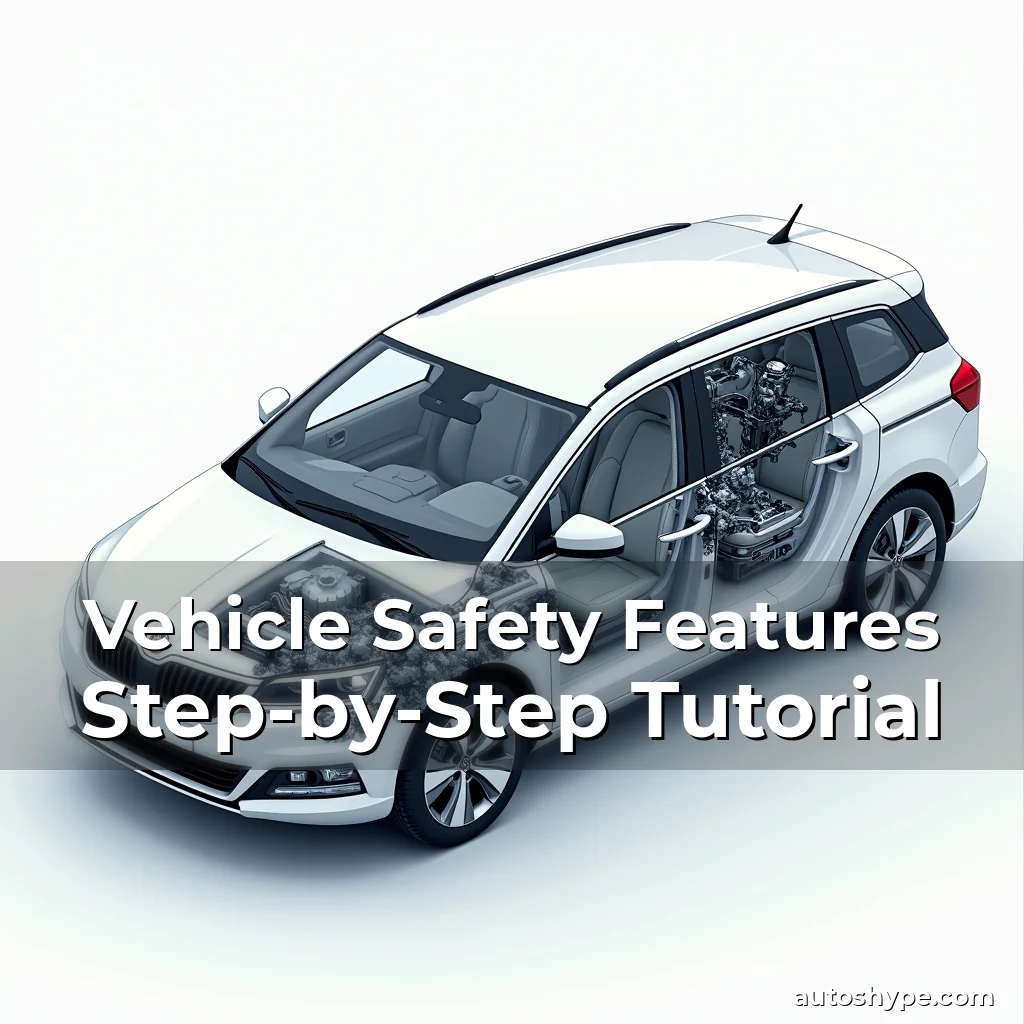
In an era defined by rapid technological evolution, vehicle safety has transformed dramatically from rudimentary crash protection to sophisticated preventive systems. Modern cars now integrate intelligent sensors, real-time data processing, and adaptive technologies to create safer driving experiences. This guide explores how leading automakers leverage cutting-edge engineering to safeguard occupants before accidents occur.
The automotive landscape is undergoing a revolutionary shift as manufacturers prioritize occupant protection through proactive measures. From automated emergency braking to AI-driven hazard recognition, vehicles now anticipate dangers milliseconds before human reaction times kick in. Understanding these advancements empowers drivers to make smarter choices about their transportation options.
The Evolution of Crash Protection: From Basic Barriers to Intelligent Defense
Before the digital age reshaped automotive design, safety relied heavily on mechanical solutions. Early vehicles featured simple steel frames reinforced with roll bars and padded dashboards. Seat belts emerged in the mid-20th century, marking a pivotal milestone in occupant retention during collisions.
The 1960s witnessed significant progress with federal mandates requiring safety glass and improved restraint systems. Engineers discovered that distributing impact forces across larger areas reduced injury severity. These foundational principles continue influencing modern designs despite the surge in electronic safety enhancements.
- Crash Testing Legacy: Since the 1950s, crash tests revealed critical vulnerabilities in early vehicle structures, prompting engineers to develop crumple zones that absorb energy during impacts.
- Mandatory Innovations: Laws requiring airbag deployment in frontal crashes revolutionized safety standards, with side curtain airbags later becoming standard equipment for enhanced rollover protection.
Sophisticated Active Safety Systems: Predicting Dangers Before They Strike
Todays automobiles employ a network of sensors and processors to detect potential hazards continuously. Adaptive cruise control uses radar to maintain safe distances automatically while brake assist systems calculate optimal stopping power in emergency situations.
Dual-layer sensor arrays combine visible light imaging with infrared capabilities to monitor road conditions comprehensively. These systems enable functions like pedestrian detection and cross-traffic alerts, significantly reducing collision risks at intersections.
How Electronic Stability Control Works
This vital system prevents skidding by detecting loss of traction through wheel speed sensors. When slip is detected, ECU calculates required corrections and applies brakes selectively to individual wheels while adjusting engine torque.
Modern versions integrate with tire pressure monitoring systems for enhanced performance. In winter driving scenarios, ESC becomes particularly crucial by preventing hydroplaning effects through precise intervention.
Passive Safety Mechanisms: Last Line of Defense in Collision Events
While active systems aim to prevent accidents entirely, passive protections activate once a collision occurs. Airbag deployment sequences depend on accelerometers measuring G-forces precisely calibrated for different impact angles and speeds.
Advanced restraint systems incorporate load-sensing technology to adjust force distribution based on occupant size and seating position. Side impact protection has evolved beyond curtains to include rigid pillars and shear-resistant door frames.
- Airbag Variants: Frontal, knee, thorax, and rear-facing inflators provide multi-level protection, with some models featuring dual-stage inflation for varying impact intensities.
- Seat Belt Innovations: Pretensioners tighten straps instantly during sudden deceleration, while load limiters manage force transmission to reduce rib fractures during severe crashes.
Autonomous Driving Technologies: Redefining Safety Paradigms
Level 2+ driver assistance systems represent the current frontier in vehicular safety. These platforms combine camera inputs, ultrasonic sensors, and GPS data to navigate highways autonomously while keeping human oversight intact.
Predictive path modeling enables vehicles to foresee obstacles ahead using machine learning algorithms trained on vast datasets of traffic patterns. Such capabilities drastically reduce response time gaps compared to traditional manual interventions.
Emergency Braking Systems Demystified
Automatic Emergency Braking (AEB) employs laser rangefinders to measure distance to stationary objects accurately. When minimum stopping distances are exceeded, the system initiates full brake application independently of driver input.
Some advanced implementations differentiate between moving and parked vehicles, applying softer stops for slower-moving targets while reserving full force for imminent collisions. Night vision capabilities enhance functionality in low-light environments.
Cybersecurity Measures: Safeguarding Smart Mobility Infrastructure
As vehicles become increasingly connected, security threats emerge alongside new functionalities. Hackers could potentially manipulate critical systems like steering controls or brake actuators through malicious software injections.
Automakers implement end-to-end encryption protocols for telematics communications. Secure boot processes verify firmware integrity at startup, preventing unauthorized modifications to core vehicle operations.
Data Privacy Protections in Modern Cars
Manufacturers encrypt personal data stored in infotainment systems separately from operational diagnostic codes. Physical firewalls isolate entertainment networks from chassis control modules to minimize breach risks.
User permissions dictate access levels for smartphone integration features, allowing granular control over what apps can interact with vehicle subsystems. Regular security patches address vulnerabilities proactively.
Safety Rating Influence: How Certification Standards Shape Consumer Choices
Laboratories like Euro NCAP and ANCAP conduct rigorous assessments evaluating vehicle safety comprehensively. Test procedures involve frontal, side, and pole impact simulations along with evaluations of occupant survivability metrics.
Five-star ratings influence purchasing decisions significantly, especially among families seeking family-friendly transportation. Manufacturers often tailor platform architectures specifically to optimize NCAP scores for model launches.
Evolving Safety Benchmark Criteria
New assessment protocols now include pedestrian protection tests and whiplash mitigation evaluations. Child-specific testing involves dummy replicas representing infants through teenagers for complete coverage.
Recent updates emphasize vulnerable road users, incorporating evaluations of cyclist impact scenarios and motorcycle compatibility considerations in certification processes.
Fleet Management Solutions: Enhancing Commercial Vehicle Safety
Heavy-duty trucks benefit from specialized safety implementations due to their greater mass and cargo handling demands. Electronic Logging Devices (ELDs) track driving hours compliance while integrated fatigue monitoring systems alert operators needing rest periods.
Collision avoidance systems adapted for commercial vehicles feature longer-range sensors capable of detecting highway hazards miles away. Tire management solutions predict blowout risks through pressure anomaly analysis.
Telematics for Fleet Optimization
GPS tracking combined with onboard diagnostics creates predictive maintenance schedules minimizing breakdown risks. Real-time fuel efficiency monitoring helps identify abnormal consumption patterns indicating potential issues.
Driver behavior analytics assess acceleration smoothness and cornering habits, enabling targeted training programs to improve safety records fleet-wide. Video recording systems capture incident footage for insurance claims validation.
Emerging Safety Technologies: Tomorrow’s Protective Innovations
Researchers are developing bio-inspired materials that mimic natural shock absorption mechanisms found in organisms like squid skin. These composites promise superior impact dissipation properties while maintaining lightweight characteristics.
Quantum dot displays could soon replace conventional screens, offering improved visibility in diverse lighting conditions that enhance situational awareness during night driving or adverse weather events.
Nanotechnology Applications in Crashworthiness
Self-healing polymers infused with nanocapsules repair microcracks autonomously, extending component lifespans while preserving structural integrity. Microscopic carbon fiber reinforcements distribute stress more evenly across chassis components.
Smart paint formulations containing embedded sensors monitor body panel damage in real-time, triggering alerts when corrosion reaches dangerous thresholds. Thermal regulation fabrics manage interior temperatures without relying solely on HVAC systems.
Environmental Considerations in Safety Design
Climate change adaptation influences vehicle engineering strategies globally. Rising sea level projections prompt coastal region manufacturers to elevate electrical components above flood inundation levels.
Extreme temperature resilience becomes crucial as heatwaves increase frequency. Battery cooling systems protect hybrid/electric vehicles from thermal runaway risks during prolonged exposure to high ambient temperatures.
Materials Science Innovations
Recycled aluminum alloys offer comparable strength to virgin metal at lower manufacturing costs while reducing environmental footprints. Biodegradable adhesives facilitate easier disassembly for sustainable recycling practices.
Plant-based foams replace petroleum-derived insulation materials, lowering greenhouse gas emissions during production phases without compromising acoustic dampening effectiveness.
Insurance Implications of Enhanced Safety Features
Progressive auto insurers use telematics data to offer usage-based pricing models rewarding safe drivers with discounts. Accident probability calculations consider not just driver history but also vehicle safety specifications.
Usage-Based Insurance (UBI) programs track mileage and driving patterns through mobile apps or dedicated devices, providing personalized rate structures that reflect actual risk profiles more accurately than traditional methods.
Risk Assessment Methodologies
Actuarial models factor in vehicle safety ratings alongside demographic variables like age and gender when calculating premium rates. Newer algorithms weigh crash test results against accident claim frequencies for better accuracy.
Third-party liability coverage considerations evaluate manufacturer warranties and recall histories when determining policy limits appropriate for each insured asset category.
Consumer Awareness Campaigns: Educating Drivers About Safety Tech
Automakers partner with nonprofits to raise public knowledge about vehicle safety features through workshops and online resources. Interactive virtual reality demonstrations let participants experience crash scenarios safely.
Mobile applications provide instant lookups about specific car models’ safety credentials, helping consumers compare protective capabilities objectively before purchasing decisions.
Training Programs for Older Drivers
Senior-focused initiatives teach how to utilize advanced driver assistance systems effectively. Visual acuity challenges are addressed through adjustable display settings and voice command interfaces designed for clarity.
Buddy programs pair experienced seniors with younger mentors for hands-on guidance in mastering complex safety features available in contemporary vehicles.
Global Perspectives on Automotive Safety Regulations
European Union directives mandate higher safety bar set by mandating automatic emergency braking systems in all new passenger cars by 2024. North American regulators recently approved similar requirements for front-facing collision prevention systems.
Asian markets showcase unique safety priorities influenced by regional traffic conditions. Japan emphasizes advanced drowsiness detection due to its high incidence of sleepy-driving-related fatalities compared to Western countries.
Cultural Influences on Safety Preferences
Urban-centric societies place greater emphasis on pedestrian protection technologies given dense population densities and frequent non-motorist interactions. Rural areas see higher adoption rates of off-road terrain sensing systems for agricultural machinery.
Religious traditions shape vehicle interiors; certain cultures prefer minimalism limiting dashboard clutter to maximize attention for essential safety controls instead of entertainment distractions.
Cost-Benefit Analysis of Advanced Safety Systems
Though initial investments appear substantial, lifetime savings from accident prevention offset expenses quickly. Studies show vehicles equipped with collision mitigation systems incur fewer insurance claims and lower repair costs post-incident.
Government incentives sometimes cover portions of upgrade costs for existing vehicles, making retrofits financially viable for older models lacking built-in safety technologies.
Return On Investment Calculations
Calculating ROI considers not just direct savings but also intangible benefits like peace-of-mind knowing protective systems function reliably. Reduced anxiety translates to better mental health outcomes beneficial to overall quality of life.
Depreciation factors suggest vehicles retaining higher residual values due to enhanced safety reputations, presenting additional financial advantages for used car market transactions.
Future Challenges in Automotive Safety Development
Integrating artificial intelligence poses ethical dilemmas regarding decision-making algorithms during unavoidable collision scenarios. Developers face complex moral questions deciding whom to prioritize in worst-case situations.
Regulatory frameworks struggle to keep pace with rapidly evolving technologies. Establishing clear guidelines for liability allocation remains challenging when autonomous systems fail unexpectedly.
Ethical Programming Dilemmas
Programmers grapple with defining acceptable risk thresholds during algorithm development. Should a self-driving car swerve suddenly risking passenger safety to avoid hitting pedestrians? Such trade-offs require careful consideration.
Transparency in AI decision-making processes presents another hurdle. Ensuring passengers understand why particular maneuvers occur builds trust in automated driving systems while satisfying regulatory scrutiny requirements.
Conclusion
The future of automotive safety lies in harmonious collaboration between human judgment and intelligent automation. By embracing these innovations responsibly, drivers can enjoy unprecedented protection while contributing positively toward global safety improvements.
Stay informed about emerging technologies through certified channels. Participate actively in safety education initiatives and advocate for continuous improvement in vehicle protection systems that ultimately save lives on roads worldwide.


news is a contributor at AutosHype. We are committed to providing well-researched, accurate, and valuable content to our readers.
You May Also Like


Vehicle Safety Features on a Budget: Money-Saving Tips
Cracking the Code: How Modern Vehicle Safety Tech Protects You Without Breaking the Bank In an era where technology is...
The Ultimate Evolution of Vehicle Safety Features: How Modern Tech is Transforming Road Safety
The Ultimate Evolution of Vehicle Safety Features: How Modern Tech is Transforming Road Safety In an era where road accidents...

Vehicle Safety Features for Small Spaces
The Ultimate Roadside Companion: Exploring Modern Vehicle Safety Innovations In an era where every drive carries new possibilities, vehicle safety...
Vehicle Safety Features: Essential Tools and Resources
Vehicle Safety Features: Essential Tools and Resources In an era where automotive technology is evolving at lightning speed, vehicle safety...