The Future on Wheels: Exploring Concept Vehicles That Redefine Automotive Innovation
In an era where technology is reshaping every aspect of our lives, concept vehicles stand as bold testaments to what’s possible beyond today’s conventional designs. These prototypes are not merely futuristic dreams; they’re tangible blueprints that push the boundaries of engineering, sustainability, and driver experience.
For automotive enthusiasts and car owners alike, concept cars offer a glimpse into tomorrow’s driving landscape—where electric propulsion meets autonomous capabilities, and luxury blends seamlessly with eco-conscious design. This exploration delves deep into the world of concept vehicles, uncovering their significance, key features, and how they influence both current production models and future trends.
What Are Concept Vehicles?
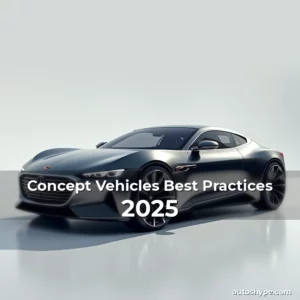
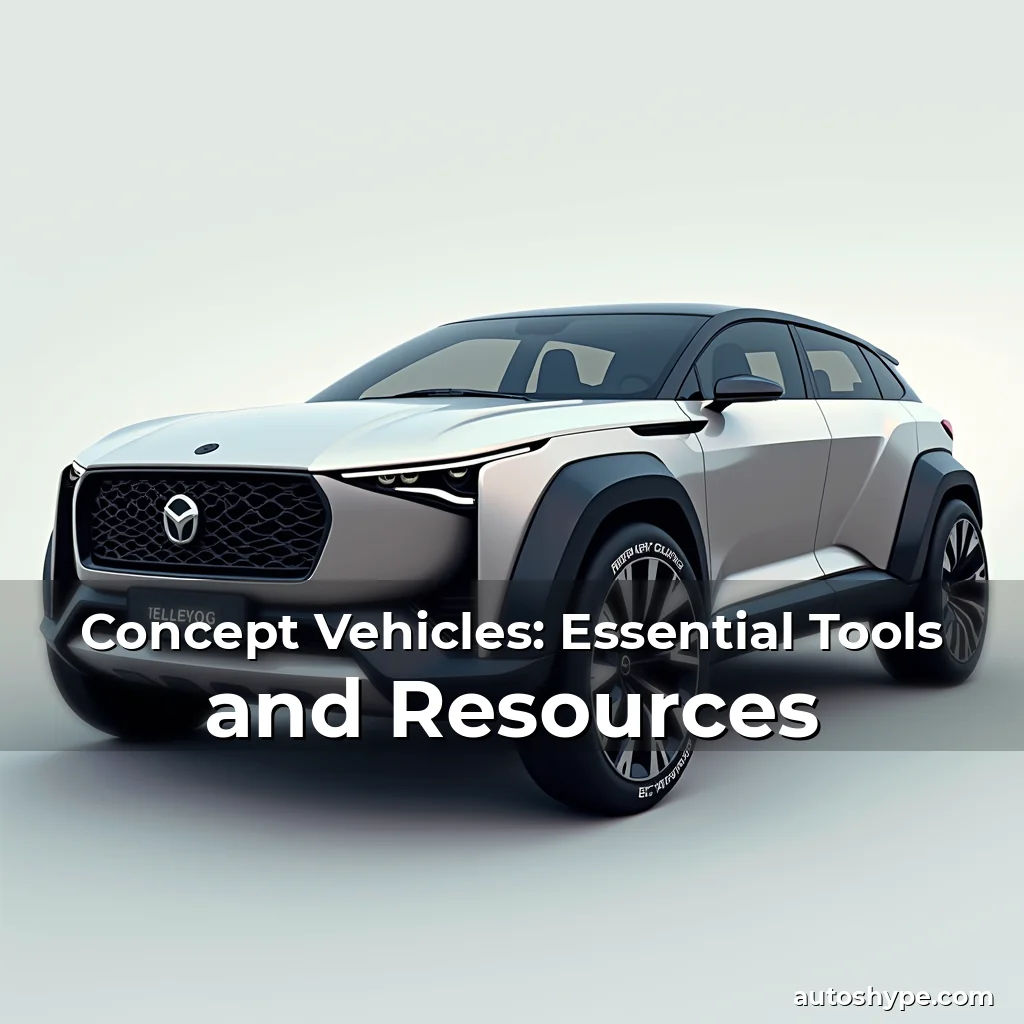
At its core, a concept vehicle represents a designer’s vision unshackled by mass-market constraints. Unlike regular automobiles sold at dealerships, these experimental machines serve as platforms for showcasing new technologies, innovative materials, and radical styling ideas.
Automakers invest heavily in developing concept cars because they provide invaluable data during research phases. They help companies gauge consumer reactions before committing resources toward full-scale manufacturing processes. In many cases, elements from successful concepts eventually make their way into actual products available for purchase.
There exists a wide spectrum when categorizing different types of concept vehicles based upon purpose:
- Design Concepts:** Focus primarily on aesthetics while incorporating cutting-edge technologies meant to impress rather than function fully.
- Technological Demonstrators:** Highlight advancements such as hybrid powertrains or self-driving systems without necessarily aiming for immediate commercialization.
- Prototype Models:** Represent near-production-ready versions that may undergo extensive testing prior to release.
Why Do Automakers Build Concept Cars?
Automotive manufacturers create concept cars for several strategic reasons. One primary motive involves gauging market interest through public exhibitions and media coverage generated around novel ideas.
These displays also allow engineers within automaker organizations to experiment freely with unconventional components that might otherwise face resistance due to cost concerns associated with traditional manufacturing methods. By focusing solely on innovation instead of profitability upfront, companies can explore creative avenues which could later translate into commercially viable offerings.
Moreover, participating in prestigious auto shows provides global exposure opportunities essential for brand visibility especially among younger demographics who often look towards emerging trends set by industry leaders through their latest releases.
Finally, there remains another compelling reason behind building conceptual models – fulfilling corporate social responsibility goals related environmental impact reduction via sustainable practices showcased throughout various aspects including material sourcing techniques used during development stages.
The Evolution Of Concept Vehicle Design Through History
Dating back centuries ago, early forms of concept cars were essentially sketches drawn onto parchment paper depicting fantastical visions about transportation yet to come. However, true historical milestones began appearing much later following industrial revolutions that enabled mechanical innovations necessary for turning theoretical drawings into functional prototypes.
One notable example includes Ford Motor Company’s Model T introduced in 1908. Although initially designed as practical transport solution rather than purely aesthetic exercise, subsequent iterations did incorporate stylistic changes reflecting evolving tastes over time thus setting precedent for modern day approach wherein form follows function but still maintains visual appeal importance.
During mid-twentieth century period known widely as “Golden Age” of automobile design, numerous iconic concept cars emerged highlighting dramatic transformations taking place across industries globally. For instance General Motors presented Buick Y-Job in 1938 considered first ever concept car featuring integrated tail lights along with other groundbreaking features unseen previously elsewhere at that particular moment in history.
This was followed closely thereafter by Chrysler Corporation unveiling Plymouth Thunderbird prototype two years later demonstrating shift towards more streamlined body shapes combined with improved aerodynamics characteristics crucial then becoming standard practice amongst competitors vying for supremacy position within rapidly expanding marketplace dominated largely by American brands during those decades.
Types Of Concept Vehicles And Their Unique Features
Concept vehicles span diverse categories each serving distinct purposes ranging from pure artistic expression to technological experimentation aimed specifically at solving real-world problems faced daily by drivers worldwide. Understanding differences between them helps appreciate broader context surrounding ongoing developments shaping present-day motoring experiences significantly.
An excellent starting point lies examining popular classifications currently dominating discussions held frequently online forums dedicated exclusively towards automotive topics covering everything imaginable relating vehicles irrespective whether powered conventionally fuel sources or utilizing electricity entirely unlike previous generations relied heavily upon combustion engines exclusively until recent past decade witnessed gradual transition underway now accelerating quickly thanks partly due regulatory pressures imposed governments seeking cleaner alternatives capable reducing carbon footprints dramatically compared older counterparts producing harmful emissions contributing negatively affecting climate change issues plaguing planet Earth today.
Amongst most recognized divisions exist three main branches:
- Production-Based Concepts:** Developed using existing platform allowing minimal modifications enabling quicker evaluation process regarding potential enhancements applicable directly onto upcoming model lineups scheduled launching soon after positive feedback received post exhibition events attended mostly journalists specialized field plus general public curious enough wanting see firsthand what awaits next generation fleet arriving showrooms near future.
- Platform-Based Concepts:** Entirely new chassis created from scratch providing greater freedom designers exploring completely fresh approaches concerning exterior dimensions proportions relative positioning interior space allocations etcetera without limitations posed by pre-existing structures limiting creativity scope considerably.
- Pure Concept Vehicles:** Designed purely for display purposes emphasizing futuristic themes usually involving advanced tech implementations never intended becoming commercially available anytime foreseeable horizon unless proven extremely successful generating sufficient buzz prompting reconsideration plans originally devised excluding possibility altogether.
How To Stay Updated On Latest Concept Car Releases
Keeping abreast of newest concept car announcements requires adopting multi-pronged strategy combining active participation within relevant communities alongside leveraging digital tools optimized delivering timely information updates efficiently.
Engaging regularly online forums devoted exclusively discussing automotive matters proves effective method gaining access insider knowledge shared members possessing deeper understanding subject matter typically unavailable mainstream news outlets catering wider audiences prioritizing entertainment value above educational benefits derived thorough analysis provided experts working tirelessly ensuring accuracy reliability content published consistently maintaining high standards professionalism expected professionals operating within sector regardless size organization involved.
Besides community involvement, subscribing newsletters offered official websites operated respective manufacturers ensures receiving direct communications containing exclusive previews sneak peeks limited edition variants released occasionally celebrating special occasions commemorating anniversaries milestone achievements reached significant progress made reaching targets established long-term roadmaps guiding company direction strategically planned meticulously executed accurately measured against benchmarks periodically reviewed adjusted accordingly whenever circumstances necessitate modification original course laid out initial proposal stage project initiation phase.
Additionally, monitoring social media accounts maintained representatives affiliated corporations enables instant notifications regarding imminent unveilings happening shortly following scheduled dates announced well ahead advance giving adequate preparation period required gathering necessary materials attending live presentations occurring physical locations hosting grand openings welcoming visitors eager witness remarkable creations coming alive right眼前.
Notable Examples Of Iconic Concept Vehicles Throughout History
Certain concept cars have transcended mere novelty status achieving legendary status owing exceptional qualities possessed making them unforgettable even decades elapsed since debut appearances made public domain.
Ford’s Mustang Boss 429, unveiled in 1969, exemplifies this phenomenon perfectly encapsulating essence performance oriented philosophy embraced American muscle car movement sweeping nation creating cultural identity synonymous powerful engines combined aggressive styling cues defining era characterized excessiveness driven desire prove superiority over foreign competition perceived threatening national pride threatened decline domestic industry facing challenges globalization forces altering dynamics international trade relations.
Another exemplary case study constitutes Toyota’s Prius, launched in 1997, marking pivotal moment history transitioning fossil fuels reliance renewable energy solutions addressing pressing environmental concerns exacerbated rapid urbanization leading increased pollution levels damaging ecosystems irreversibly unless drastic measures implemented urgently.
Volkswagen’s I.D. Buzz, revealed recently, showcases evolution electric mobility paradigm shifting away dependence internal combustion engines embracing zero-emission technologies heralding new chapter sustainable transportation revolution promised future generations enjoying clean air breathable environment enhanced quality life achieved successfully implementing green initiatives undertaken conscientious efforts pursued relentlessly striving achieve balance harmony nature human activity coexisting mutually beneficial manner promoting prosperity longevity planet Earth itself.
The Role Of Technology In Shaping Modern Concept Vehicles
Technology has become indispensable element influencing trajectory development contemporary concept cars transforming once simple mechanical contraptions complex smart devices integrating multitude functionalities enhancing overall user experience substantially.
Advanced computing architectures embedded within onboard systems enable real-time processing vast amounts data collected sensors distributed throughout entire structure facilitating predictive maintenance alerts detecting anomalies preemptively preventing breakdowns ensuring uninterrupted journeys minimizing downtime experienced traditionally encountered frequent servicing requirements demanded conventional models lacking sophisticated diagnostic capabilities inherent newer generation equipped state-of-the-art software suites.
Artificial Intelligence (AI) integration further elevates functionality offering personalized settings adapting dynamically according individual preferences learned behavior patterns observed repeated usage instances establishing comfort zones tailored precisely match expectations users cultivating loyalty appreciation demonstrated through consistent satisfaction derived regular interactions device.
Autonomous driving features represent culmination technological prowess applied practical scenarios eliminating need manual intervention thereby increasing safety margins drastically reducing accident rates attributed human error predominant factor majority collisions reported annually worldwide statistics indicate alarming figures underscoring urgency addressing issue through implementation intelligent systems capable navigating obstacles autonomously executing maneuvers flawlessly surpassing abilities average驾驶员.
Sustainable Innovations Driving The Future Of Concept Cars
With growing awareness climate change impacts, sustainability has taken center stage in concept vehicle development. Manufacturers are increasingly focusing on eco-friendly materials, energy-efficient systems, and alternative power sources to reduce environmental footprint significantly.
Electric drivetrains dominate conversations surrounding sustainable transport options promising zero tailpipe emissions replacing gasoline-powered counterparts gradually phasing out obsolete technologies hindering progress toward greener alternatives already gaining momentum propelled supportive government policies incentivizing adoption through subsidies tax credits encouraging consumers opt environmentally responsible choices benefiting society collectively.
Recyclability extends beyond propulsion mechanisms encompassing entire structural composition utilizing biodegradable composites sourced responsibly replenishing natural resources simultaneously decreasing waste accumulation landfills overflowing hazardous substances posing threats wildlife habitats requiring urgent remediation actions initiated promptly mitigating damage inflicted ecosystem permanently.
Hydrogen fuel cells emerge as viable contenders complementing battery-electric solutions providing extended range overcoming limitations associated charging infrastructure expansion lagging behind demand surge experienced exponential growth sectors anticipating widespread electrification transitions occurring concurrently across globe.
The Influence Of Concept Vehicles On Production Models
Many features seen in concept cars find their way into production models, bridging the gap between visionary ideas and everyday driving experiences. This transformation highlights how concept vehicles act as incubators for innovation, ultimately shaping the automotive landscape we navigate today.
From sleek exteriors to advanced infotainment systems, numerous design elements and technological integrations originate from concept vehicles. As automakers refine these ideas through rigorous testing and consumer feedback, they evolve into reliable, market-ready products that resonate with buyers’ needs and desires.
However, translating concept vehicle innovations into production isn’t always straightforward. Factors such as cost-effectiveness, manufacturability, and compliance with regulatory standards play critical roles in determining which features survive the journey from concept to reality.
Despite these challenges, the influence of concept vehicles continues to grow stronger. As technology advances and consumer demands evolve, the line between concept and production becomes increasingly blurred, paving the way for continuous improvements in design, performance, and efficiency across the automotive industry.
Conclusion
Concept vehicles serve as vital conduits through which automotive innovation flows continuously, pushing boundaries and inspiring new directions for the industry. They challenge conventions, spark imaginations, and lay groundwork for transformative changes poised to redefine our relationship with personal transportation profoundly.
As you continue your journey through the realm of automotive enthusiasm, remember that staying informed about concept cars offers unparalleled insight into what lies ahead. Engage actively with communities passionate about this field, follow trusted sources diligently, and embrace opportunities arising from immersive experiences afforded by visiting exhibitions showcasing breathtaking creations destined shape tomorrow’s roads together.

news is a contributor at AutosHype. We are committed to providing well-researched, accurate, and valuable content to our readers.