Aftermarket Parts: Essential Tools and Resources
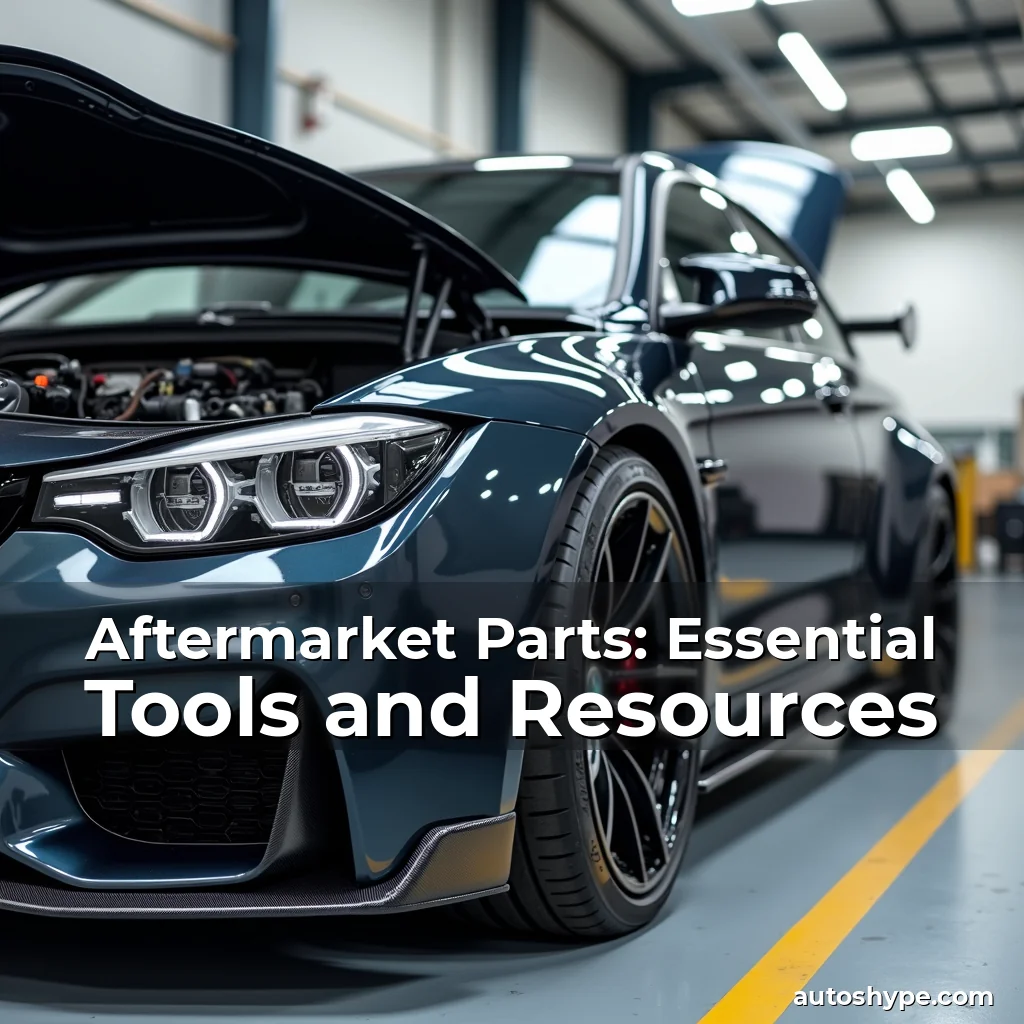
Understanding Aftermarket Parts
Aftermarket parts are components manufactured by third-party companies rather than the vehicle’s original manufacturer. These parts range from simple replacements like wiper blades to complex modifications such as turbochargers or full-body kits. Unlike OEM parts, which are tailored specifically for a particular model, aftermarket components often prioritize versatility, affordability, or performance improvements over strict compatibility.
The appeal of aftermarket parts lies in their ability to cater to diverse needs. For instance, a driver seeking increased fuel efficiency might opt for a remanufactured engine control unit, while another may choose lightweight alloy wheels to enhance handling. This flexibility allows car owners to tailor their vehicles precisely to their preferences, whether for daily driving, racing, or show purposes.
- Performance Enhancements: Many aftermarket parts, such as cold air intakes or high-flow catalytic converters, are engineered to boost power output and throttle response.
- Cost Efficiency: Aftermarket alternatives frequently come at a lower price than OEM equivalents, enabling budget-conscious buyers to upgrade their cars without overspending.
- Style Customization: From chrome accents to carbon fiber trim, aesthetic modifications allow drivers to express individuality through their vehicles’ appearance.
Why Choose Aftermarket Over OEM?
Selecting aftermarket parts over OEM components isn’t always straightforward. While OEM parts guarantee seamless integration and reliability, aftermarket options often provide superior value, innovation, and customization potential. Understanding these trade-offs helps avoid common pitfalls when purchasing replacement parts.
A primary advantage of aftermarket parts is their affordability. For example, a premium OEM brake rotor might cost $200, whereas a comparable aftermarket version could be priced at half that amount. However, quality varies significantly among manufacturers, necessitating careful research before purchase. Lower-priced parts may compromise durability or safety standards unless sourced from reputable producers.
Cost Savings Without Compromise
Many high-end aftermarket brands invest heavily in engineering and testing to match or exceed OEM specifications. Companies like Mishimoto, HKS, and Borla produce performance-enhancing parts that rival factory-grade components in terms of build quality and warranty coverage. By choosing these trusted names, consumers can enjoy substantial savings without sacrificing reliability.
In addition to financial benefits, aftermarket markets foster rapid technological advancements. Innovations such as direct injection systems, adaptive suspensions, and hybrid powertrains often originate in niche markets before being adopted by mainstream automakers. Early adopters who embrace aftermarket solutions gain access to cutting-edge features years ahead of traditional models.
Types of Aftermarket Parts Available
The aftermarket industry spans numerous categories, catering to almost every conceivable automotive need. Exterior modifications dominate sales figures, with body kits, spoilers, and LED lighting packages forming popular choices. Interior upgrades also thrive, ranging from sport seats to digital instrument clusters.
Beneath the surface, mechanical enhancements drive much of the demand. Performance-oriented customers seek intake manifolds, exhaust headers, and supercharger kits to unlock additional horsepower. Meanwhile, electrical system upgrades, including advanced infotainment screens and GPS navigation modules, attract tech-savvy buyers looking to modernize older vehicles.
Exterior Modifications: Transforming Your Vehicle’s Look
Exterior changes are perhaps the most visible form of automotive personalization. Carbon fiber hood scoops, widebody kits, and aggressive front grilles instantly elevate a car’s visual impact. These alterations aren’t purely cosmetic; aerodynamic additions like rear diffusers or splitter extensions can improve downforce and stability during high-speed driving.
Lighting technology has undergone significant evolution, with aftermarket LED headlights and taillights now surpassing factory designs in brightness and energy efficiency. Some manufacturers integrate smart sensors that automatically adjust beam patterns based on ambient light conditions, enhancing visibility and reducing glare for other drivers.
Interior Upgrades: Comfort Meets Technology
Inside the cabin, aftermarket parts enable dramatic transformations. High-performance leather upholstery, Alcantara-wrapped steering wheels, and multi-adjustable bucket seats redefine comfort levels. Audio systems featuring subwoofers, amplifiers, and touchscreen displays turn standard sound setups into immersive entertainment centers.
Digital instrumentation panels have become increasingly sophisticated, replacing analog gauges with customizable LCD screens that monitor parameters like oil pres Some tuners offer plug-and-play solutions that require minimal wiring, simplifying installation processes for less experienced users.
How to Select Quality Aftermarket Components
With thousands of suppliers competing for market share, identifying reliable aftermarket providers demands due diligence. Begin by cross-referencing product listings against verified review platforms like Edmunds, Consumer Reports, or specialized forums dedicated to specific makes and models.
Reputation matters greatly when evaluating sellers. Established companies typically maintain extensive online presence through official websites, social media accounts, and active participation in industry events. Be wary of vendors whose claims seem too good to be true—for example, guaranteed lifetime warranties without clear return policies.
Researching Reputable Brands
Focusing on well-known brands increases chances of acquiring trustworthy products. Manufacturers with decades-long histories in the automotive sector tend to uphold stringent manufacturing protocols. Brands like K&N Filters, Brembo Brakes, and Perrin Performance exemplify commitment to excellence through consistent product quality across various applications.
Customer testimonials serve as invaluable resources. Reading firsthand experiences shared by fellow enthusiasts provides insight into real-world performance metrics and longevity expectations. Pay attention to recurring themes regarding fitment issues or premature wear indicators that suggest potential problems with certain products.
Checking Certifications and Standards
Look for compliance certificates indicating adherence to international safety regulations. SAE International (SAE J1689), ISO certification marks, or FMVSS (Federal Motor Vehicle Safety Standards) approvals signal rigorous testing procedures undertaken prior to mass production. These validations reassure buyers about component integrity under demanding operating conditions.
Safety-critical items like brakes, tires, and seatbelts must meet minimum legal requirements regardless of origin. Always confirm that chosen parts satisfy local regulatory frameworks governing roadworthiness criteria applicable to your jurisdiction.
Installation Options: DIY vs Professional Help
Deciding between self-installation and professional assistance hinges largely upon complexity level involved. Simple tasks like replacing headlight bulbs or installing floor mats pose negligible risks even for novice individuals. Conversely, intricate procedures requiring special tools—such as engine swaps or ECU reflashing—are best left to certified technicians.
DIY projects save money but demand considerable technical knowledge and patience. Online tutorials abound, yet improper execution could lead to costly repairs later. Aspiring modifiers should assess their skill set honestly before attempting ambitious undertakings independently.
Evaluating Skill Level Before Starting
Beginners might find success modifying basic elements like exhaust pipes or bumper covers, which involve relatively uncomplicated steps. More advanced modifications—like chip-tuning or camshaft replacements—require precise calibration techniques best handled by professionals equipped with diagnostic software and test benches.
Investing in training courses offered by vocational schools or auto clubs enhances competency levels safely. Hands-on experience gained through workshops prepares newcomers adequately for tackling moderate-level installations confidently.
Professional Installation Benefits
Hiring experts ensures accurate workmanship, particularly concerning sensitive areas such as electronics harnesses or structural reinforcements. Certified shops possess calibrated tools capable of achieving exact tolerances necessary for optimal function, minimizing risk factors associated with amateur attempts.
Additionally, authorized dealerships sometimes offer discounted rates on genuine OEM accessories alongside competitive pricing structures for approved aftermarket offerings. Leveraging these partnerships grants access to exclusive deals unavailable elsewhere.
Warranty and Support Considerations
Purchase agreements vary widely depending on seller type and item category. Most legitimate retailers extend limited warranties covering defects in material or craftsmanship, usually valid for 1–3 years post-purchase date. Extended service plans may be purchased separately for added protection.
Support networks differ considerably between big-name corporations and independent startups. Major players typically maintain robust customer care departments accessible via phone, email, or live chat interfaces. Smaller firms rely heavily on community feedback loops facilitated through dedicated discussion boards or Facebook groups.
Navigating Return Policies
Clear return guidelines prevent disputes arising from incompatible purchases. Optimal practices dictate returning unused merchandise promptly after discovery of mismatches, preferably retaining original packaging intact. Some stores impose restocking fees exceeding initial savings, thus emphasizing pre-purchase verification efforts.
International shipping complications occasionally arise due to customs duties levied upon imported goods. Buyers residing outside domestic territories should inquire beforehand about import tax implications affecting final prices payable upon delivery receipt.
Leveraging Manufacturer Support Channels
Contacting direct representatives offers faster resolution pathways compared to general inquiries routed through automated helpdesks. Maintaining records of correspondence proves beneficial should future claims emerge related to faulty components or incorrect shipments.
Maintaining open lines of communication fosters long-term relationships characterized by mutual trust and respect. Engaged participants contribute positively toward shaping product development trajectories aligned with evolving consumer preferences.
Customization Possibilities With Aftermarket Parts
The freedom afforded by aftermarket customization extends far beyond superficial appearances. Entirely bespoke builds exist where clients collaborate closely with designers to craft unique machines reflecting personal tastes. Custom chassis fabrications, handcrafted interiors, and proprietary engine configurations represent extreme ends of this spectrum.
Modular design philosophies facilitate incremental upgrades over time. Instead of committing fully upfront to elaborate schemes, progressive enhancement strategies permit gradual refinements according to shifting priorities or budget constraints. Such adaptability suits individuals uncertain about long-term ownership durations.
Trends Shaping Modern Customization Practices
Current trends emphasize sustainability through eco-friendly materials utilization. Recycled plastics, biodegradable adhesives, and low-VOC paints align with growing environmental consciousness among younger demographics prioritizing responsible consumption habits.
Smart connectivity features permeate virtually all sectors today—from dashboard displays integrating smartphone apps to autonomous parking assist systems utilizing ultrasonic sensors. Future iterations promise greater interoperability between mobile devices and onboard computer architectures.
Community Influence On Design Choices
Viral sensation effects accelerate adoption cycles of novel ideas originating within enthusiast circles. Social media platforms amplify exposure rapidly, turning obscure innovations into mainstream phenomena overnight. Observant observers capitalize on emerging fads strategically timing investments accordingly.
Collaborative spirit thrives amongst members sharing constructive critiques aimed at refining existing concepts further. Healthy debate sparks breakthroughs previously unimagined, reinforcing notion that collective intelligence outperforms solitary genius consistently.
Conclusion
From performance upgrades to aesthetic enhancements, aftermarket parts play a pivotal role in transforming ordinary vehicles into extraordinary expressions of individuality. Their accessibility empowers countless hobbyists worldwide pursuing passions tied uniquely to motorized transportation.
By adopting prudent selection methodologies supported by thorough research, anyone can confidently navigate vast landscapes of available options. Ultimately, embracing aftermarket culture enriches overall driving experiences immeasurably—whether striving solely for practical gains or indulging wholly in creative pursuits.