
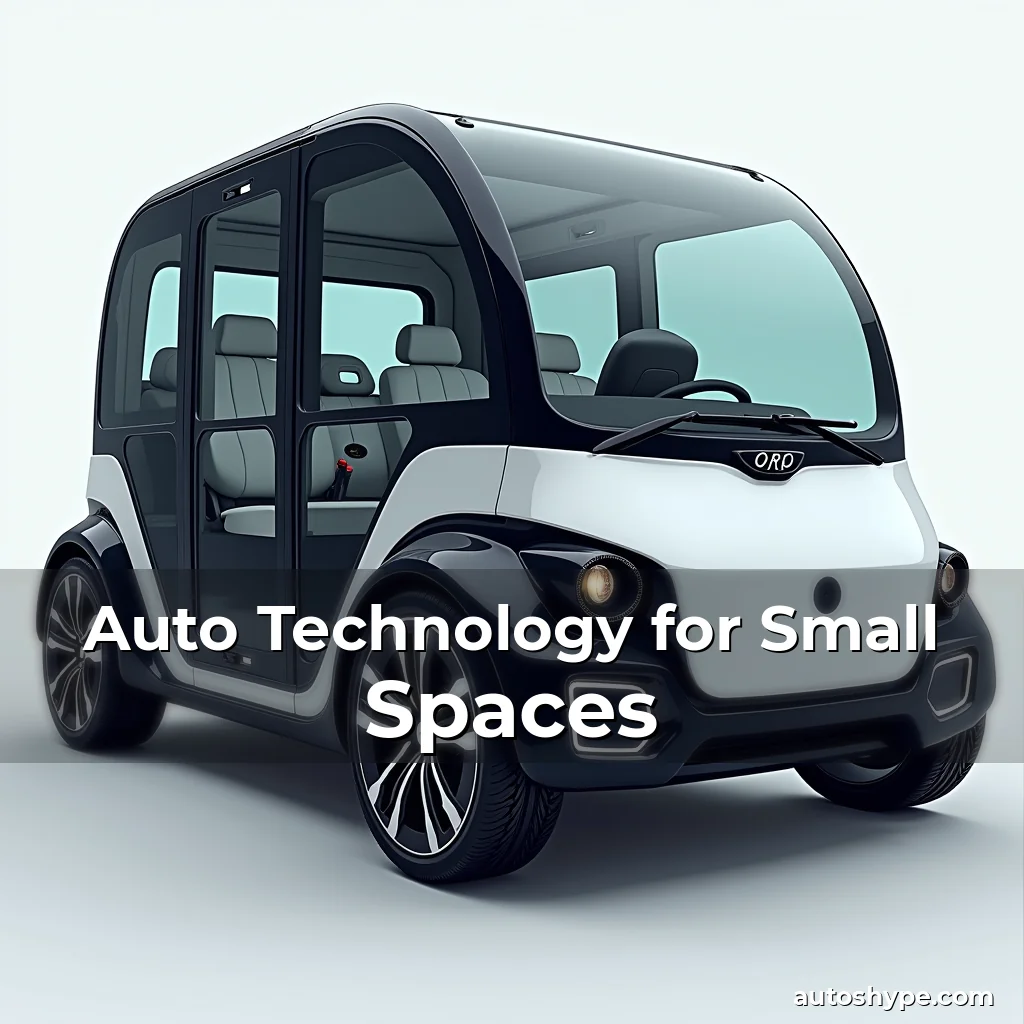
The Future Drives In: Innovations Transforming Auto Technology Today
In an era where cars are evolving faster than ever before, auto technology is undergoing a revolutionary transformation that promises to redefine how we drive, commute, and interact with our vehicles. From self-driving systems to AI-powered infotainment, modern automobiles are becoming smarter, safer, and more efficient.
This evolution isn’t just about convenience—it’s about revolutionizing mobility itself. As electric powertrains gain traction and autonomous features become standard, understanding these advancements becomes essential for every driver seeking to stay ahead in today’s dynamic automotive landscape.
The Rise of Electric Powertrains
Electric vehicles (EVs) have transitioned from niche products to mainstream choices, thanks to rapid technological breakthroughs and increasing environmental awareness. Modern EVs now offer longer ranges, quicker acceleration, and charging solutions that rival traditional gasoline engines.
Battery technology has been at the forefront of this shift. Lithium-ion batteries continue to evolve, offering higher energy densities while reducing costs through economies of scale. This advancement makes EV ownership more accessible to everyday drivers worldwide.
Charging infrastructure is another critical component driving EV adoption. Fast-charging networks enable drivers to recharge their vehicles in under an hour, significantly reducing range anxiety associated with long-distance travel.
- Regenerative Braking: A key innovation allowing EVs to recover kinetic energy during deceleration, improving overall efficiency.
- Solid-State Batteries: Emerging as a potential game changer due to increased safety, durability, and energy storage capacity compared to conventional lithium-ion cells.
Manufacturers are also integrating advanced thermal management systems within battery packs to maintain optimal performance across various climates. These systems ensure consistent power delivery regardless of temperature extremes.
Electric motors themselves are becoming lighter and more powerful, contributing to improved vehicle dynamics without compromising fuel economy benefits inherent to electrification.
Autonomous Driving Technologies
Self-driving cars represent one of the most significant leaps forward in automotive engineering. While fully autonomous vehicles remain a future prospect, many models already feature advanced driver assistance systems (ADAS) capable of handling complex driving scenarios.
Sensors such as LiDAR, radar, and high-resolution cameras work together to create real-time maps of the environment around the vehicle. These data streams allow the system to identify obstacles, pedestrians, traffic signs, and other road users accurately.
Machine learning algorithms process vast amounts of sensor data continuously, enabling vehicles to make split-second decisions similar to human reflexes but with enhanced precision and consistency.
Level 2 automation currently dominates consumer markets, requiring active supervision by human drivers who must be ready to take control at any moment. However, Level 3 capabilities—where vehicles can handle most driving tasks independently—are beginning to emerge.
Despite ongoing development, challenges related to regulatory frameworks, cybersecurity vulnerabilities, and ethical decision-making still need resolution before widespread deployment of full autonomy becomes feasible.
Connectivity & Vehicle-to-Everything Communication
Vehicles equipped with V2X communication can exchange information with other cars, infrastructure elements like traffic lights, and even smartphones carried by passengers. This connectivity enhances situational awareness and facilitates smoother traffic flow.
Vehicle-to-Vehicle (V2V) communication allows cars to warn each other about sudden stops or hazards detected ahead, potentially preventing accidents through early alerts. Similarly, Vehicle-to-Infrastructure (V2I) links help manage congestion by providing real-time updates on road conditions and alternate routes.
With 5G integration accelerating, latency issues previously limiting effective communication between connected devices are rapidly diminishing. This enables near-instantaneous response times crucial for collision avoidance and optimized route planning.
Emerging Applications of Connected Cars
Connected car technologies open doors to innovative services beyond basic navigation functions. For instance, predictive maintenance uses onboard diagnostics combined with cloud computing to forecast when parts might fail based on usage patterns rather than fixed schedules.
Fleet operators benefit greatly from telematics platforms that track asset locations, monitor driver behavior analytics, optimize fuel consumption strategies, and enforce compliance standards efficiently across large-scale operations.
Predictive maintenance extends its value proposition further by minimizing unplanned downtime through timely interventions before minor issues escalate into costly repairs later down the line.
Advanced Driver Assistance Systems (ADAS)
Modern ADAS suites include lane departure warnings, automatic emergency braking, adaptive cruise control, blind spot detection, and pedestrian recognition features—all designed to enhance occupant safety and reduce accident rates dramatically.
Lane Keeping Assist works by using cameras embedded along the windshield edge to detect lane markings constantly. When drifting occurs unintentionally, gentle steering corrections guide the car back safely within boundaries.
Cross-Traffic Alert monitors surroundings during low-speed maneuvers such as reversing out of driveways or parking spaces. It warns occupants of approaching vehicles from either side via visual displays inside the cabin alongside audible signals.
Dual-Camera Parking Assist provides accurate distance measurements displayed graphically onto touchscreen interfaces so users know exactly how close they’re getting to objects behind them while maneuvering slowly backward.
These technologies collectively contribute towards creating what experts call “crash avoidance” environments wherein many preventable incidents could theoretically be eliminated entirely over time given sufficient adoption levels globally.
Smart Infotainment & Human-Machine Interfaces (HMI)
The infotainment systems found in contemporary automobiles have grown exponentially sophisticated since their inception decades ago. They now serve dual purposes—as entertainment centers and vital conduits linking occupants digitally with external ecosystems outside their vehicles’ confines.
Touchscreens dominate current market offerings; however, some manufacturers experiment boldly with gesture controls, voice command integrations, augmented reality overlays, etc., aiming ultimately toward intuitive interaction methods less reliant upon physical buttons altogether someday soon.
Apple CarPlay and Android Auto provide seamless mirroring experiences letting smartphone apps run natively within dashboards allowing access favorite music libraries streaming services calendars messaging applications much easier hands-free operation versus fumbling through tiny mobile screens while driving.
Augmented Reality Head-Up Displays project relevant navigational cues directly onto windshields minimizing distractions caused otherwise by glancing repeatedly between instrument panels GPS units while focusing primarily upon actual roads ahead instead.
Future HMIs may incorporate biometric sensors reading heart rate blood pressure indicators helping determine driver alertness status adjusting seat positions climate settings automatically ensuring peak comfort levels sustained throughout journeys lasting hours possibly days straight depending upon trip lengths planned initially beforehand.
The Role Of Artificial Intelligence And Machine Learning
Artificial intelligence plays an increasingly pivotal role shaping tomorrow’s vehicular landscapes through continuous analysis processing terabytes worth personalization preferences routines behaviors learned overtime then applying insights derived thereof accordingly whenever appropriate situations arise thereafterwards henceforth.
MACHINE LEARNING MODELS TRAINED ON HISTORICAL DATA ENABLE PREDICTIVE MAINTENANCE SYSTEMS TO ANTICIPATE POTENTIAL COMPONENT FAILURES BEFORE THEY OCCUR BASED UPON PATTERNS DETECTED AMIDST MILLIONS OF DRIVING CYCLES COLLECTED GLOBALLY THROUGH CLOUD NETWORKING PLATFORMS.
Driver monitoring systems utilize AI to assess fatigue levels by analyzing facial expressions, eye movement, and head position captured via front-facing cameras integrated seamlessly into dashboard designs without obstructing visibility unnecessarily.
Personalized driving profiles stored securely within encrypted databases allow vehicles adapt seating configurations, preferred audio playlists, ambient lighting schemes according to individual user identities authenticated instantly via fingerprint scans iris recognition technology embedded discreetly throughout interiors.
As datasets expand exponentially year after year, machine learning algorithms refine their accuracy predictions continually optimizing performance metrics achieving unprecedented reliability standards previously unimaginable mere decades prior.
Safety Enhancements Through Technological Advancements
Technological innovations extend far beyond enhancing convenience alone—they fundamentally transform aspects relating directly to passenger wellbeing too notably concerning crash prevention mitigation injury reduction post-impact scenarios alike.
Airbag systems originally introduced decades past have evolved substantially incorporating numerous variants including side curtain airbags deploying automatically upon detecting rollover risks instantaneously protecting occupants from flying debris projectiles entering cabins suddenly mid-crash sequences.
Structural reinforcement techniques employed nowadays involve high-strength steel alloys combined strategically placed crumple zones engineered specifically absorbing impact forces thereby distributing stresses evenly across chassis frames minimizing localized damage concentrations which would otherwise lead catastrophic structural failures sooner rather than later during collisions occurring unexpectedly anywhere anytime.
Occupant restraint systems integrate smart sensors capable recognizing pre-collision events initiating pretensioner mechanisms tightening seatbelts milliseconds ahead contact actually happens thus securing passengers firmly seated properly aligned against seatbacks correctly positioned prior abrupt halts encountered involuntarily.
Data collected regarding incident reports processed centrally facilitates improvement cycles informing engineers precisely where design modifications should target next iteration model releases resulting progressively safer products emerging regularly featured prominently within annual industry awards ceremonies highlighting excellence achieved annually therein.
Environmental Impact Mitigation Strategies
Rising global consciousness surrounding ecological sustainability pressures automakers relentlessly pursue cleaner propulsion alternatives simultaneously developing emissions control methodologies aimed curbing pollutants released atmospherically detrimental health wildlife habitats planet Earth overall.
Hybrid-electric architectures merge internal combustion engines alongside regenerative braking systems synergistically complementing one another reducing dependency solely upon fossil fuels thereby lowering carbon footprints noticeably discernible upon comparative analyses conducted periodically amongst peer competitors within same segments categories targeted marketing efforts directed accordingly.
Exhaust treatment technologies advance concurrently employing catalytic converters scrubbing harmful particulates nitrogen oxides produced combustion processes converting them harmless substances expelled subsequently through tailpipes adhering stringent governmental regulations established safeguard public welfare communities residing vicinity manufacturing facilities operating daily business activities routinely.
Recycling initiatives intensify focus repurposing end-of-life components salvaging materials reusing wherever possible curtailing landfills burden reducing waste generation promoting circular economy principles embraced widely industries sectorwise nowadays striving achieve net-zero targets ambitious yet achievable through collective efforts coordinated effectively across supply chain partners stakeholders involved irrespective geographical boundaries separating nations continents oceans connecting globe seamlessly digital networks facilitating instantaneous communication exchanges fostering collaborative spirit necessary realizing lofty goals set forth jointly agreed upon international accords treaties signed ratified unanimously representatives governing bodies responsible overseeing planetary affairs entrusted maintaining balance harmony nature humanity coexisting sustainably indefinitely future generations inherit thriving ecosystems unspoiled pristine conditions.
Consumer Considerations In Adopting New Automotive Tech
While embracing cutting-edge automotive technologies offers substantial advantages shouldn’t overlooked equally crucial factor weighing pros cons carefully evaluating financial implications longevity expectations upkeep requirements before finalizing purchases outright deciding commit resources permanently acquiring new equipment.
Cost considerations play prominent roles influencing buyer decisions especially regarding premium features bundled together package deals sometimes priced exorbitantly exceeding base models drastically altering perceived values assessed objectively reasonably fair comparison benchmarks established independent third-party reviews rating agencies conducting thorough evaluations publishing results publicly accessible online portals aggregating diverse opinions forming consensus community wisdom guiding consumers wisely making informed choices confidently selecting suitable options aligning priorities needs lifestyles aspirations pursued diligently consistently pursued persistently until satisfaction attained adequately fulfilling demands experienced fulfilled completely satisfactory manner devoid regrets disappointments shortcomings encountered subsequently afterwards regrettable occurrences avoidable had foreseen anticipated meticulously beforehand.
Long-term viability questions surface frequently among prospective buyers contemplating whether latest gadgetry remains functional compatible upcoming software updates hardware upgrades inevitable obsolescence timelines likely expected passage years months days elapsed since acquisition date noted recorded systematically maintained organized databases tracking depreciation rates accurately forecasting residual values remaining after periods elapsed determined mathematically calculated scientifically proven formulas applied rigorously ensuring transparency clarity absence ambiguities uncertainties muddying waters obscuring true picture obscured veils concealing underlying realities hidden beneath superficial appearances misleadingly attractive propositions enticing naïve unwary individuals succumbing temptations ultimately facing disillusionment aftermath realizing initial enthusiasm tempered gradually disappointment settling eventually accepting limitations imposed unavoidably unavoidable circumstances dictated technological progression relentless march forward unremittingly unstoppable force reshaping world anew ceaselessly.
Upkeep responsibilities accompany advanced functionalities necessitating regular servicing calibrations checks performed professionally skilled technicians possessing specialized knowledge particular systems intricacies understanding nuances troubleshooting resolving malfunctions promptly restoring operational integrity restored functioning optimally akin factory specifications originally intended manufactured supplied delivered customers receiving possessions rightfully theirs legally acquired ethically sourced responsibly produced environmentally friendly sustainable practices upheld throughout lifecycle spanning duration ownership tenure enjoyed cherished appreciated deeply valued personally emotionally intellectually spiritually intertwined closely identities cultivated nurtured developed matured over time spent engaged immersed participating actively within automobile culture rich traditions storied histories legendary milestones celebrated commemorated annually special occasions dedicated honoring achievements recognized rewarded esteemed respected revered admired envied coveted possessed proudly displayed showcased flaunted ostentatiously demonstrating status symbols markers identity expression outward manifestations innermost desires aspirations dreams realized manifest physically tangibly touchable visible perceptible sensed experienced lived.
Conclusion
The relentless pace of innovation in auto technology continues to reshape the way we perceive and interact with our vehicles. As electric powertrains, autonomous driving features, and intelligent connectivity become commonplace, staying informed about these developments empowers both automotive enthusiasts and everyday drivers alike.
By embracing new technologies thoughtfully and considering their practical implications, you’ll not only enhance your driving experience but also contribute positively toward a safer, greener, and more interconnected transportation ecosystem. The future of mobility is here—and it’s driven by technology.