Car Design Trends for Small Spaces
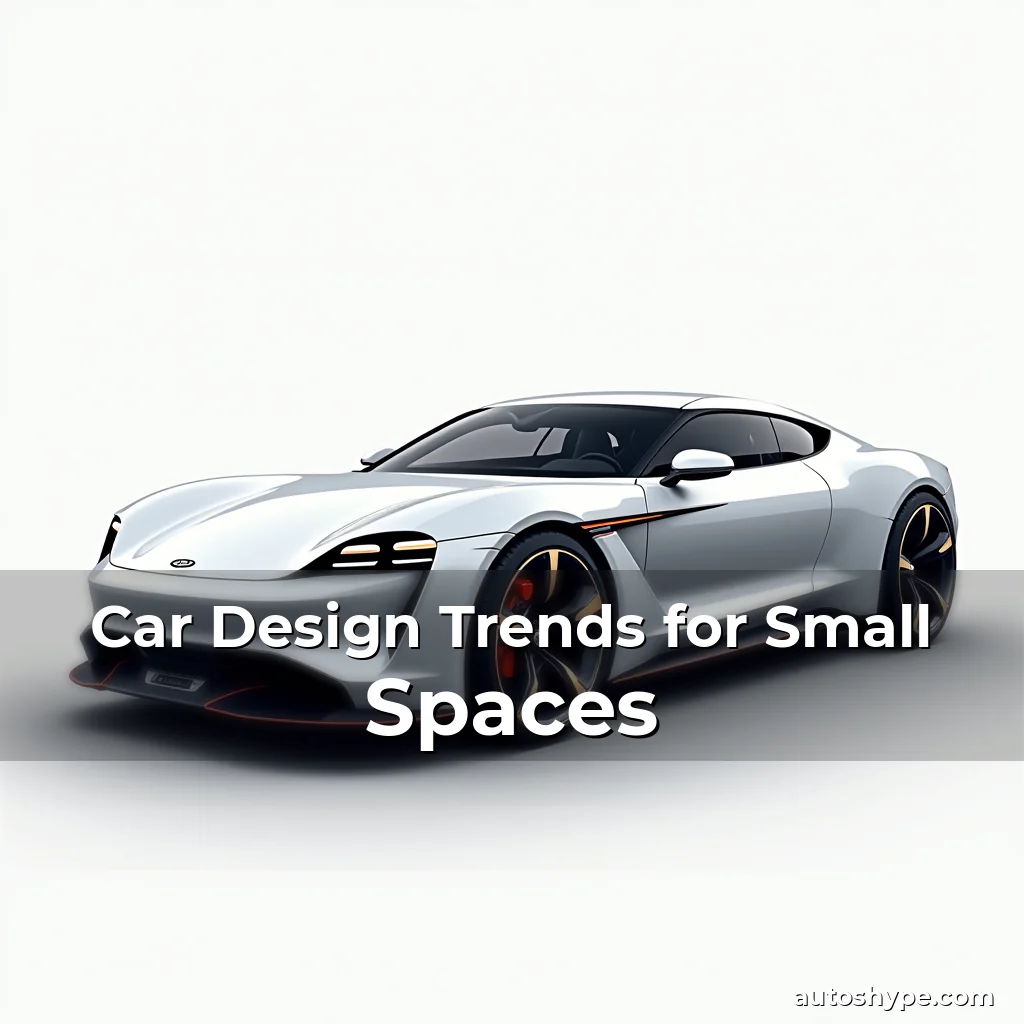
The Future is Compact: Car Design Trends Redefining Urban Mobility
In an era where urban populations are swelling and parking spaces grow scarcer by the day, car manufacturers are reimagining vehicle design with compactness in mind. From sleek electric vehicles that fit effortlessly into tight city lots to innovative storage solutions maximizing every inch of interior space, the shift towards smaller, smarter cars has never been more pronounced.
This transformation isn’t merely aesthetic; it’s a response to evolving lifestyle needs and environmental consciousness among today’s drivers. As we explore these groundbreaking design philosophies, you’ll discover how they’re not only shaping what our future vehicles look like but also revolutionizing how we interact with them daily.
The Rise of Micro-Mobility Solutions
Urban mobility challenges have pushed automakers toward developing micro-mobility solutions that prioritize efficiency without sacrificing comfort. These designs often feature foldable components and modular interiors that adapt seamlessly to various user scenarios.
One standout example is the emergence of three-wheeled EVs designed specifically for city environments. Their reduced footprint allows easier maneuverability through congested streets while maintaining sufficient power for everyday commutes.
- Foldable roofs: Many modern convertibles now offer folding mechanisms that reduce their overall dimensions when parked, making them ideal for apartment dwellers.
- Modular seating systems: Some models allow seats to be rearranged or removed entirely, transforming from passenger transports into cargo carriers within minutes.
Cities around the globe are beginning to embrace these innovations as part of broader smart infrastructure initiatives. By integrating such vehicles into public transport networks, municipalities aim to create more sustainable and efficient transportation ecosystems.
Electric Vehicles Leading the Charge in Space Efficiency
Electric vehicles (EVs) naturally lend themselves well to compact design due to their simplified drivetrain configurations compared to traditional combustion engines. This simplicity enables engineers to experiment with unconventional shapes and layouts aimed at optimizing interior volume.
Designers are increasingly favoring boxier silhouettes over aerodynamic curves because rectangular forms can house larger battery packs efficiently while still providing ample legroom inside. This approach contrasts sharply with older generations of sedans which prioritized smooth contours above all else.
A prime illustration of this trend is seen in several new EV models featuring flat underbody structures. Such designs facilitate better weight distribution and provide additional clearance beneath the chassis—an essential consideration for navigating rough urban terrain where potholes abound.
Smart Integration Enhancing Functional Aesthetics
As technology becomes more integrated into vehicle exteriors, designers face both opportunities and constraints regarding form factor limitations imposed by embedded sensors and cameras. Yet rather than compromising aesthetics, many brands are using these elements creatively to enhance visual appeal.
LED lighting systems now extend beyond simple taillights to include dynamic display panels along side mirrors or even across entire body surfaces. These features serve dual purposes—improving safety visibility while simultaneously acting as customizable branding tools for individual owners.
Some luxury automakers have begun experimenting with touch-sensitive exterior controls. For instance, door handles that disappear when not in use save precious millimeters of width during parking maneuvers yet remain instantly accessible whenever needed.
This technological integration doesn’t stop at convenience features either; advanced driver assistance systems require extensive sensor arrays strategically placed around vehicles. While initially perceived as bulky additions, careful placement ensures minimal disruption to overall styling language.
Materials Innovation Driving Lightweight Construction
Lightweight materials play a crucial role in achieving optimal performance from compact vehicles without sacrificing durability or occupant protection standards. Advanced composites like carbon fiber reinforced polymers (CFRPs) enable significant reductions in curb weight while preserving structural integrity.
Aluminum alloys continue to gain traction as preferred alternatives to steel due primarily to their superior strength-to-weight ratios. Automakers are increasingly utilizing aluminum frames combined with high-strength steel reinforcements in critical crash zones—a strategy that balances cost-effectiveness against safety requirements.
The adoption of thermoplastic composites represents another breakthrough area currently being explored by researchers worldwide. Unlike conventional plastics used traditionally for non-load-bearing parts, these newer materials possess properties comparable to metals at much lower weights.
Such material choices contribute directly to improved fuel economy figures especially relevant given growing concerns surrounding emissions levels associated with internal combustion engine vehicles still prevalent globally despite increasing electrification rates.
Interior Spatial Optimization Techniques
Vehicles tailored for dense urban living necessitate radical departures from conventional cabin layouts found predominantly in suburban-oriented automobiles. Engineers employ clever spatial partitioning strategies to maximize usable floor areas within confined footprints.
Hinged dashboards that pivot upwards reveal hidden storage compartments represent one such innovation allowing users quick access to valuables typically stored behind steering wheels or center consoles. Similarly, retractable gearshift levers free up otherwise occupied real estate near driver’s seat positions.
Rear-facing second-row seats have emerged as particularly effective means of accommodating taller occupants without requiring excessive length increments—a vital feature considering typical garage space restrictions faced by city residents.
Even seemingly minor adjustments like reducing pillar thicknesses significantly increase peripheral vision clarity thereby enhancing situational awareness necessary for safe driving experiences amidst unpredictable traffic patterns characteristic of metropolitan regions.
Sustainability Considerations Shaping Exterior Silhouettes
Environmental sustainability has become so deeply ingrained within contemporary design paradigms that its influence extends far beyond mere component selection processes. Entire vehicle architectures are now conceived keeping long-term recyclability goals firmly in view.
Modular construction techniques permit easy disassembly at end-of-life stages ensuring higher percentages of original materials can be recovered cleanly rather than ending up incinerated or landfilled alongside other waste streams generated annually by millions of discarded automobiles.
Use of biodegradable adhesives and coatings further supports circular economy principles by eliminating toxic residues commonly left behind after dismantling operations involving synthetic compounds previously deemed too difficult to separate safely.
These considerations don’t solely benefit planet Earth—they translate directly into tangible financial advantages for consumers seeking durable products capable of enduring longer lifespans before needing replacement cycles dictated largely by outdated manufacturing practices emphasizing disposability over longevity.
Customization Options Expanding Personal Expression
With shrinking vehicle sizes comes greater emphasis upon personal expression avenues available exclusively within limited dimensional parameters. Manufacturers recognize this need and respond accordingly by offering extensive customization packages targeting diverse demographic segments.
Color options have evolved dramatically away from standard monochromatic schemes toward multi-tone combinations achieved via specialized paint application methods enabling distinct color differentiation between different surface areas simultaneously.
Personalization extends beyond exterior finishes though—interior trim selections now encompass everything from vegan leather upholstery variants catering to eco-conscious buyers right down to bespoke scent diffusers calibrated precisely according to individual olfactory preferences.
Such attention paid towards tailoring each unit reflects changing consumer expectations wherein ownership experience matters just as much—if not more—than basic functional capabilities provided out-of-the-box by respective manufacturers.
Digital Interfaces Redefining Interaction Paradigms
Modern infotainment systems transcend traditional dashboard-bound displays by incorporating gesture recognition technologies permitting intuitive control interactions without physical contact surfaces potentially contaminated by germs spread easily through shared usage situations common within family units sharing single vehicles.
Augmented reality head-up displays project navigation information directly onto windshields minimizing driver distraction risks inherent with constantly shifting gaze directions required when consulting conventional GPS devices mounted separately elsewhere within cockpits.
Biometric authentication measures ensure secure access privileges restricted strictly based upon verified identities regardless of who physically interacts with particular functions housed within digital ecosystem platforms managed centrally through cloud computing infrastructures maintained remotely outside direct vehicular confines.
These interactive advancements collectively redefine what constitutes’smart’ functionality expectations set forth by current generation users accustomed interacting continuously online throughout majority waking hours spent connected digitally wherever located geographically.
Autonomous Features Influencing Body Style Decisions
Advancements made recently concerning autonomous driving capabilities inevitably impact decisions made regarding exterior profiles chosen ultimately defining final product appearances destined reaching showroom floors soon.
Self-driving functionalities demand additional hardware installations including lidar sensors, radar modules, and camera arrays distributed systematically throughout vehicles necessitating strategic placements influencing overall silhouette characteristics visible externally.
To accommodate these augmentations without appearing overly cluttered visually, designers adopt minimalist approaches focusing heavily upon clean lines and uncluttered facades concealing complex inner workings effectively masked beneath elegant exteriors crafted deliberately avoiding any sense of mechanical complexity overtly communicated through outward appearances alone.
Moreover, since self-driving vehicles operate independently from human operators, there exists potential for redesigning cockpit ergonomics completely removing conventional steering wheels altogether freeing up central portions previously dominated exclusively by fixed directional control interfaces now rendered obsolete thanks recent progressions witnessed field testing phases conducted extensively prior commercial deployment timelines finalized recently.
Adaptive Lighting Technologies Transforming Nighttime Visibility
Recent developments centered around adaptive lighting systems promise substantial improvements concerning nighttime driving conditions historically plagued difficulties related poor visibility caused mainly low ambient light levels encountered frequently during evening commute periods experienced regularly urban dwellers traversing densely populated districts late afternoon hours.
Advanced matrix LED headlights utilize thousands individually controllable diodes arranged meticulously forming precise illumination patterns dynamically adjusted instantaneously responding changes road curvature ahead based data feeds obtained continuously from onboard sensors monitoring surroundings comprehensively covering blind spots normally inaccessible ordinary headlights incapable detecting accurately.
Additionally, automatic beam switching technologies determine optimally appropriate lighting modes depending proximity detected nearby vehicles preventing glare issues arising sudden activation high beams unnecessarily disturbing fellow drivers traveling parallel lanes adjacent current route paths.
Such enhancements contribute positively towards enhanced safety metrics recorded consistently decreasing accident frequencies attributed improper illumination causing misjudged distances leading frequent rear-end collisions commonplace dimly lit stretches highways particularly hazardous conditions exacerbated foggy weather occurrences commonly observed winter months affecting northern hemisphere regions significantly impacted seasonal variations impacting daylight availability considerably.
Future Outlook for Compact Vehicle Designs
Looking forward, ongoing research efforts directed improving energy efficiencies coupled continued refinement lightweight composite materials suggest trajectory indicating further miniaturization possibilities forthcoming years ahead promising exciting prospects awaiting unveiling shortly upcoming model launches scheduled occurring next few quarters.
Emerging technologies focused advancing artificial intelligence applications integrated fully autonomous operation capacities likely drive evolution direction future exterior aesthetics manifesting itself subtly through gradual transformations imperceptible initial observation periods however becoming increasingly apparent prolonged exposure durations examining successive iterations released periodically following established development schedules maintained industry-wide consistency facilitating predictable progression trajectories observable across competitive landscape dominated major OEM players vying market shares aggressively pursuing innovation leadership statuses fiercely contested amongst peers striving supremacy domains defined rapidly evolving technological frontiers.
Predictive analytics algorithms analyzing vast datasets containing historical sales records combined predictive modeling exercises projecting potential demand fluctuations help guide investment allocations ensuring resources dedicated appropriately realizing ambitious visions articulated corporate strategists envisioning prosperous futures contingent successful implementation plans executed diligently adhering strict timelines mandated regulatory bodies overseeing compliance adherence requirements stipulated governing authorities responsible supervising industries producing consumer goods sold mass markets globally.
Ultimately, whether embracing compact lifestyles voluntarily or compelled circumstances restricting access expansive living spaces, individuals stand poised benefiting substantially from remarkable strides achieved engineering disciplines collaborating closely cross-functional teams comprising experts spanning varied fields contributing synergistically propelling continuous improvement cycles perpetuating cycle growth sustaining momentum propelling sector forward ever-expanding horizons beckoning exploration adventures awaiting discovery horizons limitless constrained only imagination boundless creativity fueled passion innovation.
Conclusion
The transformative journey undertaken by car design trends reveals a clear trajectory towards more compact, intelligent, and sustainable vehicles suited perfectly for modern urban living realities facing expanding metropolis populations encountering persistent spatial constraints daily.
By embracing micro-mobility solutions, leveraging electric propulsion technologies, integrating smart features thoughtfully, adopting lighter materials judiciously, optimizing interior spaces ingeniously, prioritizing environmental responsibility conscientiously, customizing offerings flexibly, refining digital interaction modalities progressively, adapting autonomously equipped frameworks prudently, enhancing night-time visibility effectively—all converge harmoniously culminating breathtaking results transcending previous limitations formerly considered insurmountable barriers hindering realization utopian ideals envisioned futurists decades ago.
For those contemplating acquiring new vehicles aligned contemporary priorities valuing efficiency, versatility, ecological mindfulness, personalized touches, seamless connectivity, autonomous readiness, heightened safety provisions, and aesthetically pleasing forms coalescing beautifully together creating holistic experiences surpassing expectations held hitherto.
Stay tuned for upcoming releases set to debut shortly heralding new eras characterized unprecedented fusion attributes discussed exhaustively herein embodying culmination aspirations shared countless stakeholders invested passionately domain reshaping transportation landscapes forevermore.