
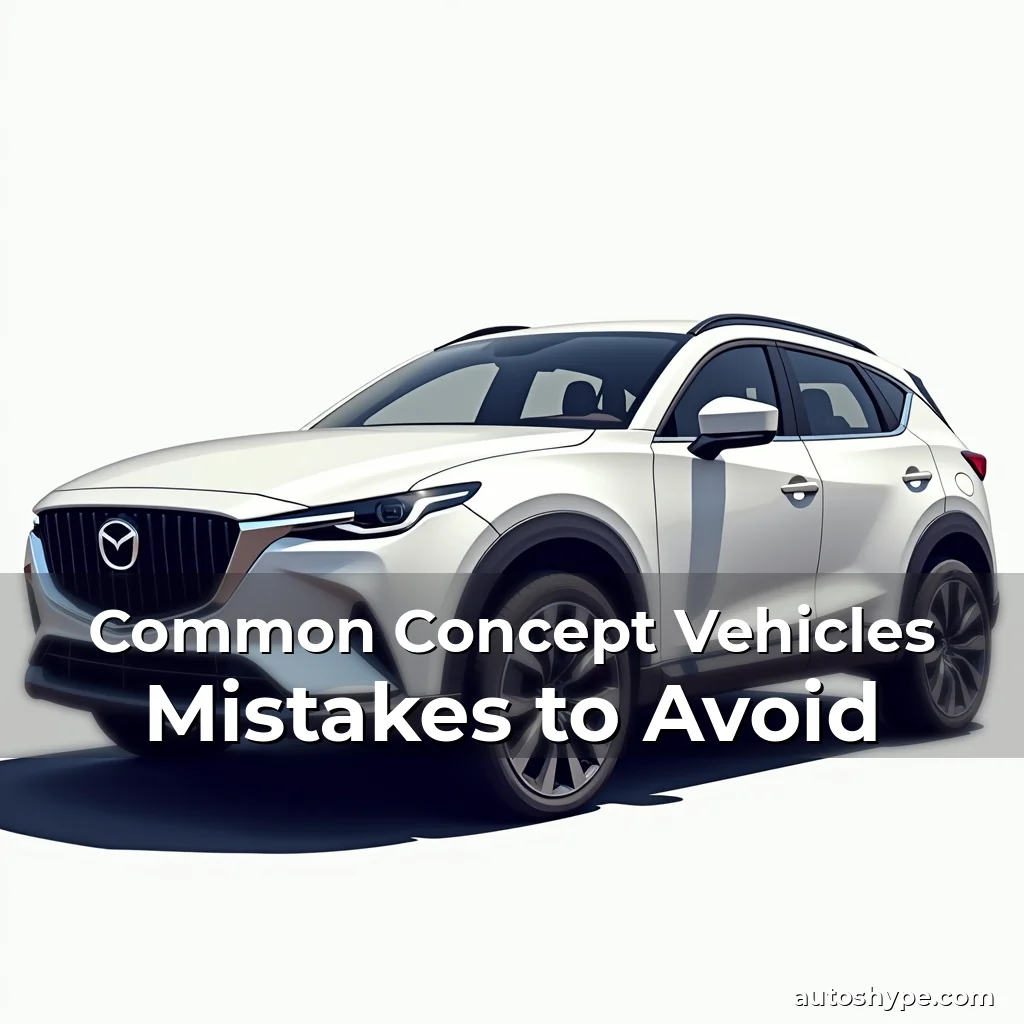
Beyond the Showroom: How Concept Vehicles Shape Tomorrow’s Driving Experience
Concept vehicles are more than eye-catching displays at auto shows; they represent the cutting edge of automotive innovation. These experimental machines push boundaries in design, technology, and performance, offering a glimpse into what the future of transportation could look like.
For automotive enthusiasts and car owners alike, understanding the role of concept vehicles provides insight into emerging trends and technologies that may eventually reach mainstream markets. From electric propulsion systems to revolutionary body styles, these prototypes redefine what we consider possible in vehicle engineering.
Understanding the Purpose of Concept Vehicles
A concept vehicle is a prototype designed primarily for showcasing ideas rather than immediate mass production. Unlike regular automobiles, these creations serve as test beds for new technologies, materials, and styling directions.
Automakers invest heavily in concept cars to explore uncharted territories in design philosophy and engineering capabilities. They often feature exaggerated proportions, unconventional layouts, or advanced driver-assistance systems that challenge conventional norms.
The primary goal of a concept vehicle is to spark conversation and gauge public reaction before committing significant resources to full-scale development. This allows companies to refine their visions based on consumer feedback and market dynamics.
- Design Exploration: Concept cars frequently incorporate bold aesthetic choices that would be impractical for everyday use but help visualize potential future trends.
- Technological Experimentation: Many prototypes integrate groundbreaking technologies such as self-driving algorithms, hydrogen fuel cells, or augmented reality interfaces.
The Evolution of Concept Vehicles Through Decades
The history of concept vehicles dates back to the early 20th century, with automakers using scale models to present ambitious ideas during trade fairs and exhibitions. Over time, these showcases evolved into fully functional prototypes displayed at international motor shows.
In the mid-century, concept cars became tools for projecting brand identity and technological prowess. Manufacturers like GM and Chrysler unveiled futuristic models that blended science fiction with engineering ambition, setting the stage for modern innovation.
Retro Revival vs. Forward-Thinking Designs
While many concept vehicles lean toward futuristic themes, others pay homage to classic design languages. This duality reflects both nostalgia-driven strategies and forward-thinking approaches aimed at appealing to diverse audiences.
For example, the 2018 Ford GT Heritage Edition combined retro styling cues with contemporary performance enhancements, demonstrating how historical inspiration can coexist with modern engineering principles.
This balance ensures that concept vehicles remain relevant across generations of consumers who appreciate different eras of automotive artistry.
Pioneering Innovations Introduced by Concept Vehicles
Many of today’s widely adopted automotive features originated from concept cars. Think of adaptive cruise control, lane departure warnings, or even touch-screen infotainment systems—all once confined to speculative prototypes.
One notable milestone came with the 1997 Honda Precept, which introduced aerodynamic efficiency and hybrid drivetrain concepts that later influenced mainstream EV development. Such breakthroughs highlight how concept vehicles act as catalysts for broader industry shifts.
Additionally, concept cars have played crucial roles in advancing safety standards. Technologies like automatic emergency braking first appeared in conceptual forms before being integrated into production vehicles worldwide.
- Sustainability Focus: Recent years have seen a surge in zero-emission concept vehicles emphasizing battery-electric and hydrogen-powered solutions.
- Smart Connectivity: Concepts like the Volkswagen ID.Vizzion showcased seamless integration of AI assistants, over-the-air updates, and predictive maintenance systems.
Diverse Categories Within the Concept Vehicle Landscape
Concept vehicles span various categories, including sports cars, SUVs, compact city cars, and even flying taxis. Each category serves distinct purposes while pushing its respective segment towards innovation.
Performance-oriented concepts often prioritize lightweight construction and high-output engines, whereas urban mobility concepts focus on space optimization and multi-modal transport capabilities.
Some manufacturers also create concept vehicles targeting niche markets, such as luxury electric sedans or rugged off-road explorers equipped with advanced terrain-handling systems.
Urban Mobility Solutions Reimagined
With rising concerns over traffic congestion and pollution, numerous concept vehicles aim to revolutionize city commuting experiences. Examples include three-wheeled microcars, foldable electric scooters, and autonomous shuttles capable of navigating dense urban environments efficiently.
The Renault Twizy, launched in 2012, exemplifies this trend by combining a compact footprint with plug-in charging capabilities, paving the way for alternative personal transport options suitable for metropolitan areas.
Such initiatives underscore the growing emphasis on sustainable urban infrastructure supported by innovative vehicle designs tailored to specific geographic needs.
Cultural Significance and Public Engagement With Concept Vehicles
Concept vehicles hold immense cultural value, symbolizing progress and creativity within society’s collective imagination regarding transportation. Their presence at global expos generates excitement among fans eager to witness avant-garde designs firsthand.
Manufacturers strategically release concept cars ahead of major events like CES or Geneva Motor Show to maximize media exposure and fan anticipation. Social media campaigns further amplify visibility, transforming these projects into viral sensations overnight.
Moreover, interactive digital experiences allow virtual tours of concept vehicles, enabling wider participation regardless of physical location. This democratization enhances accessibility and fosters deeper connections between brands and consumers.
Challenges Facing Concept Vehicle Development
Despite their visionary appeal, creating concept vehicles involves substantial risks and limitations. High development costs, complex supply chains, and uncertain market acceptance pose significant obstacles for automakers venturing into experimental territory.
Regulatory hurdles also complicate matters, especially when testing novel safety mechanisms or unconventional propulsion methods. Compliance with stringent emissions standards adds another layer of complexity to already ambitious projects.
Furthermore, translating imaginative concepts into commercially viable products requires careful calibration between aspirational design language and practical functionality—a delicate dance requiring extensive prototyping phases.
- Financial Investment: Developing a single concept car can cost millions due to specialized components, R&D expenses, and marketing budgets allocated for launch events.
- Market Uncertainty: Even highly anticipated concepts sometimes fail to resonate with target demographics, leading to abandoned programs despite considerable upfront investments.
Successful Concept-to-Production Transitions
Several iconic concept vehicles have successfully transitioned from exhibition pieces to actual production models, proving that vision can become reality through meticulous execution and strategic timing.
The Tesla Roadster, initially presented as a concept in 2006, eventually materialized as a fully operational supercar after overcoming technical barriers related to battery longevity and fast-charging infrastructure.
Similarly, the Dodge Charger Daytona, originally conceived as a racing-focused concept in the late ’60s, found renewed life decades later as a limited-edition street version celebrating its legacy while incorporating modern performance upgrades.
Lessons Learned From Past Successes
Analyzing past successes reveals common factors contributing to effective concept-to-production transitions. Strong brand alignment, clear product positioning, and consistent messaging play pivotal roles in converting speculative ideas into tangible offerings.
Additionally, maintaining flexibility during development cycles helps accommodate evolving consumer preferences and technological advancements that might emerge post-conception phase.
These insights guide current automakers aiming to replicate similar achievements while adapting methodologies suited for rapidly changing industry landscapes driven by electrification and automation trends.
Futuristic Visions Embodied In Contemporary Concept Cars
Modern concept vehicles increasingly reflect aspirations centered around autonomy, connectivity, and environmental responsibility. Autonomous driving concepts demonstrate seamless navigation abilities under varied conditions, promising safer roads filled with intelligent machines.
Connectivity features extend beyond traditional infotainment systems, integrating smart home ecosystems and personalized travel experiences curated through artificial intelligence algorithms analyzing user behavior patterns.
Environmental consciousness remains paramount, evidenced by all-electric concept cars utilizing regenerative braking techniques, solar panel integrations, and bio-based interior materials reducing carbon footprints significantly compared to conventional alternatives.
- Autonomous Navigation: Companies like Waymo continue refining self-driving capabilities demonstrated in concept form, envisioning a future where human intervention becomes optional or obsolete altogether.
- Eco-Friendly Materials: Brands experimenting with mushroom leather upholstery or recycled plastic composites showcase commitment toward greener manufacturing processes aligned with global climate objectives.
Consumer Influence On Future Concept Directions
Today’s automotive landscape sees greater involvement from end-users in shaping concept vehicle trajectories. Surveys, social listening analytics, and crowdsourcing platforms enable direct input from enthusiasts guiding research priorities.
By leveraging big data analysis, manufacturers identify prevailing interests concerning preferred color schemes, seating configurations, or energy sources powering next-gen models—an approach fostering closer ties between creators and consumers.
Interactive webinars featuring designers explaining inspirations behind upcoming concepts foster transparency and build trust among followers invested in witnessing creative journeys unfold organically over time.
The Lasting Legacy Of Iconic Concept Cars
Much like classic paintings or architectural marvels, certain concept vehicles attain legendary status within automotive circles simply because they transcend mere function to embody artistic expression and societal commentary simultaneously.
Models such as the DeLorean DMC-12, though never intended for sale beyond initial production runs, endure as pop culture symbols thanks largely to cinematic portrayals linking them permanently with nostalgic memories tied to science fiction genres.
Even non-commercially available concepts leave indelible marks upon industry narratives, inspiring subsequent generations of engineers striving to realize seemingly impossible dreams embedded deep within those visionary blueprints.
Looking Ahead At Emerging Concept Trends
As we stand on precipice of transformative changes impacting every facet of daily living—including transportation—the coming decade promises unprecedented developments reflected prominently within concept vehicle portfolios.
Advancements in quantum computing may soon facilitate real-time route optimizations previously unimaginable; biometric authentication systems could replace traditional keys entirely; and holographic dashboards might render physical controls obsolete altogether.
Such radical reimaginings suggest that tomorrow’s concept vehicles won’t merely alter our relationship with machines but fundamentally reshape expectations surrounding mobility itself—from how we commute locally to interplanetary exploration possibilities enabled by aerospace-inspired ground vehicles.
Conclusion
From humble beginnings as speculative sketches to becoming integral parts of modern roadways, concept vehicles encapsulate humanity’s relentless pursuit of improvement across countless domains affecting quality of life globally.
Whether through pioneering sustainability practices or embracing futuristic technologies poised to redefine entire industries, these experimental platforms continually remind us why staying engaged with ongoing innovations remains essential for anyone passionate about automotive evolution.