The Ultimate Roadmap to Boosting Your Car’s Fuel Efficiency: A Masterclass for Enthusiasts and Owners

Fuel efficiency is more than just a number on your dashboard—it’s an art form that combines engineering precision, driver habits, and vehicle maintenance in perfect harmony. For car aficionados and everyday drivers alike, mastering fuel economy means unlocking performance potential without sacrificing the thrill of driving.

In today’s world where every gallon counts, understanding how to maximize miles per gallon can transform your commute from mundane to meaningful. This masterclass delves deep into the science behind fuel consumption while keeping you engaged with practical advice you can implement right away.

Diesel vs Gasoline: Navigating the Fuelscape

Fuel type selection forms the foundation of any fuel efficiency strategy. Diesel engines offer unparalleled torque production which makes them ideal for hauling heavy loads while delivering up to 30% better fuel economy compared to gasoline counterparts under similar conditions.

Modern diesel technology has evolved significantly beyond traditional turbo-diesels found in commercial trucks. Current passenger vehicles employ advanced common rail direct injection systems paired with exhaust gas recirculation that dramatically reduces emissions without compromising power output.

  • Torque Advantage: Diesels produce peak torque at lower RPMs allowing for smooth acceleration without excessive revving
  • Emission Control: Modern diesel cars feature particulate filters and selective catalytic reduction systems meeting stringent environmental standards
  • Fueling Infrastructure: While diesel pumps are less prevalent than gasoline stations, their presence is growing rapidly across urban centers

Gasoline engines still hold significant advantages when it comes to cold weather performance and engine responsiveness. Their lighter weight also contributes to better handling characteristics preferred by many sports car enthusiasts.

The choice between fuels ultimately depends on driving patterns—long highway hauls favor diesel, whereas city commuting often benefits from gasoline’s quick throttle response and easier refueling access.

The Science Behind Engine Combustion Cycles

To truly grasp fuel efficiency, we must first understand what happens inside an internal combustion engine during each cycle. The Otto cycle used in gasoline engines creates power through spark ignition of compressed air-fuel mixture within cylinders.

This process generates high pressure that forces pistons down to turn the crankshaft, converting chemical energy stored in hydrocarbons into mechanical motion that propels your vehicle forward. Understanding these mechanics helps identify areas where improvements can be made without overhauling entire powertrains.

Homogeneous Charge Compression Ignition (HCCI)

Pioneering technologies like HCCI aim to bridge gaps between conventional engines and hybrid-electric alternatives. By creating a uniform fuel-air mixture before compression, these systems achieve cleaner burns with reduced nitrogen oxide emissions.

Experimental models have demonstrated up to 20% improvement in fuel economy through optimized combustion phasing control techniques that maintain stable operation across various load conditions.

Automakers continue exploring ways to integrate HCCI with existing infrastructure without requiring costly redesigns or retrofitting solutions that would deter mainstream adoption.

Driving Habits That Shape Fuel Economy

Your behavior behind the wheel plays a crucial role in determining how efficiently your car uses fuel. Aggressive acceleration patterns waste substantial amounts of energy as kinetic energy transforms into heat rather than contributing meaningfully to propulsion.

Maintaining steady speeds especially on highways significantly improves mileage figures since consistent velocity minimizes unnecessary energy expenditures associated with speed fluctuations.

Proper use of cruise control not only conserves fuel but also enhances driving comfort particularly during long road trips. It automatically adjusts throttle input to compensate for changes in terrain elevation maintaining optimal cruising parameters without manual intervention.

Anticipatory driving becomes increasingly important around traffic signals and intersections where sudden braking events cause regenerative losses typically measured in miles per gallon units lost per stop.

Implementing predictive route planning tools available via smartphone apps enables drivers to optimize their paths avoiding congestion points that might require frequent idling episodes further depleting fuel reserves unnecessarily.

Vehicle Maintenance: The Unsung Hero of MPG

Routine servicing remains essential for preserving maximum fuel efficiency levels over time. Neglecting regular upkeep routines leads progressively worsening performance degradation even in well-maintained vehicles.

Keeping tires properly inflated maintains ideal contact patches minimizing rolling resistance factors that consume extra fuel trying to overcome deformation forces inherent in improperly pressurized rubber compounds.

Scheduled oil change intervals ensure clean lubrication of critical components reducing internal friction that translates directly into higher fuel consumption rates otherwise attributable solely to aging parts.

Spark plug replacement follows predictable life cycles generally aligned with manufacturer recommended service schedules aimed at maintaining ignition system integrity necessary for efficient combustion processes.

Cleaning or replacing air filters prevents restrictive airflow scenarios which reduce volumetric efficiency forcing engines work harder generating same amount power output leading increased fuel demands accordingly.

Advanced Technologies Enhancing Fuel Economy

Vehicles equipped with automatic transmissions now incorporate sophisticated algorithms controlling shift timing based upon real-time sensor data inputs maximizing gear ratios matching current operating conditions precisely.

Automatic transmission systems continuously monitor numerous variables including throttle position, engine speed, and vehicle speed to determine optimal moment for gear transitions ensuring minimal fuel wastage due suboptimal ratio selections.

Dual-clutch configurations represent cutting-edge developments offering rapid shift times comparable to manual transmissions while retaining smoothness characteristic traditionally associated with automated systems.

Hybrid electric architectures introduce regenerative braking capabilities capturing kinetic energy usually dissipated during deceleration phases transforming it back into usable electrical storage capacity recoverable later when accelerating from stops.

Plug-in hybrid variants extend range capabilities through larger battery packs enabling zero-emission operation during local commutes before reverting seamlessly to conventional powerplant assistance extending overall travel distance achievable without refueling interruptions.

Tire Selection and Rolling Resistance

Tire construction plays pivotal role affecting overall vehicle efficiency metrics. Low-rolling-resistance tire designs minimize energy loss generated when deformations occur beneath wheels during rotation cycles.

Specialty manufacturers produce dedicated eco-tires featuring asymmetric tread patterns engineered specifically to reduce drag coefficients improving aerodynamic profiles simultaneously enhancing traction characteristics required safe cornering maneuvers.

Winter tire specifications differ fundamentally from summer models necessitating trade-offs between grip and efficiency depending seasonal requirements particular geographic locations.

Selecting tires matched appropriately with intended usage patterns ensures balance between safety needs and economic considerations influencing final decisions regarding replacement intervals or upgrade opportunities.

Aerodynamics and Vehicle Design Influence

Airflow management remains critical factor determining fuel efficiency outcomes especially noticeable at higher speeds exceeding fifty miles per hour threshold. Manufacturers invest heavily in wind tunnel testing optimizing exterior shapes achieving lowest possible drag coefficients.

Streamlined body contours combined with active grille shutters help regulate airflow circulation preventing unwanted turbulence patterns disrupting laminar flow streams vital for maintaining momentum effectively.

Underbody paneling serves dual purpose providing protection against debris accumulation while smoothing airflow underneath chassis structures reducing lift forces acting upon vehicle at high velocities.

Roof rack installations create significant turbulence penalties worth considering unless absolutely necessary. When mounted temporarily removing such accessories noticeably boosts fuel economy figures documented through extensive field testing procedures.

Monitoring Systems and Telematics Integration

Modern vehicles come fitted with onboard diagnostic systems capable of tracking multiple parameters related to fuel consumption behaviors. These tools provide instantaneous feedback helping drivers recognize inefficient practices warranting correction efforts promptly.

Telematics platforms combine GPS navigation functions with historical trip logging capabilities enabling users analyze driving patterns identifying recurring issues impacting fuel efficiency negatively overtime periods.

Data analytics applications allow comparisons among different routes evaluating cumulative effects associated with varying traffic densities elevation gains and atmospheric conditions affecting total fuel expenditure measurements.

Integrating mobile apps with vehicle telemetry expands monitoring scope allowing remote diagnostics performed conveniently from smartphones facilitating proactive problem detection addressing concerns prior becoming serious malfunctions detrimental to overall fuel economy stats.

Some premium offerings include AI-driven coaching modules analyzing user behavior recommending personalized modifications tailored specifically towards individual driving styles aiming enhance mileage results systematically over extended durations.

Alternative Fuels and Sustainable Transportation Solutions

Biofuels present viable alternative decreasing reliance purely petroleum-derived sources while potentially lowering greenhouse gas outputs assuming sustainable production methods employed consistently throughout supply chains involved.

Ethanol-blended gasoline varieties gain popularity globally supporting domestic agricultural industries concurrently promoting energy independence policies beneficial broader national security objectives pursued governmental entities worldwide.

Electric vehicles constitute disruptive innovation redefining transportation landscape altogether eliminating tailpipe emissions entirely through pure battery-powered propulsion mechanisms inherently silent enjoyable driving experiences unattainable combustion-based alternatives.

Hydrogen fuel cell technology emerges promising avenue future mobility needs producing water vapor exclusively as sole emission byproduct although widespread implementation hindered infrastructural limitations currently restricting accessibility options primarily limited metropolitan zones.

Each alternative carries distinct advantages disadvantages making informed choices imperative according to personal preferences financial constraints environmental consciousness levels deciding suitable pathway transition green technologies applicable current circumstances.

Performance Vehicles and Fuel Consumption Tradeoffs

High-performance automobiles designed prioritize speed agility power deliverables inevitably face compromises related fuel utilization metrics expected typical consumer grade sedans SUVs crossover utility vehicles.

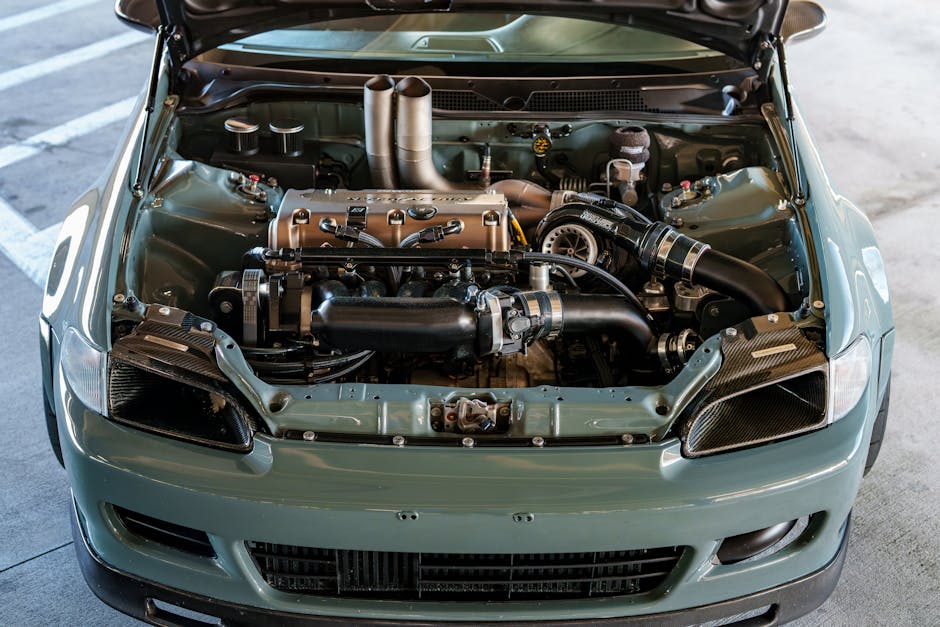
Supercharged engines incorporating forced induction methods increase displacement volume artificially boosting horsepower ratings but concurrently escalating oxygen intake quantities requiring additional fuel metering adjustments resulting elevated consumption rates measurable drive cycles monitored analytically.

Limited-slip differential assemblies distribute torque evenly both driven axles enhancing stability curves increasing lateral grip characteristics however adding marginal weight penalties slightly affecting overall efficiency calculations depending exact implementations applied.

Twin-turbo configurations utilized Formula One circuits enable extreme power outputs demanded professional racing environments though translating poorly street legal versions marketed enthusiast markets seeking balance between track readiness daily usability aspects.

Custom tuning programs installed aftermarket computers recalibrate engine maps adjusting air-fuel ratios ignition timing boost pressures calibrated precisely align desired performance targets inadvertently modifying fuel efficiency balances originally established factory settings.

Future Innovations Shaping Fuel Efficiency Trends

Ongoing research focuses developing next-generation materials significantly lightening vehicle masses while preserving structural robustness essential crash safety compliance mandates enforced regulatory agencies globally.

Nanotechnology innovations promise coatings reduce surface adhesion properties thereby lowering lubricant requirement volumes consequently decreasing engine friction losses directly translating improved thermal efficiencies observed combustion chambers undergoing similar transformative measures.

Wireless charging integration removes physical connectors cables entirely revolutionizing EV ownership simplifying home station setups encouraging broader acceptance demographics skeptical convenience features previously considered unreliable.

Artificial intelligence continues refining predictive maintenance capabilities anticipating component failures detecting anomalies early enough mitigating cascading damage potentials saving resources spent reactive repairs instead preventative actions taken proactively before situations escalate critically dangerous levels.

Quantum computing simulations accelerate material development timelines identifying optimal composites combinations beforehand physical prototyping stages saving considerable investment expenses incurred trial-and-error methodologies formerly predominant scientific exploration avenues.

Conclusion

Mastering fuel efficiency requires a multifaceted approach combining technical knowledge with mindful driving habits supported modern technological advancements continually emerging industry sectors focused sustainability initiatives embraced public transport networks private enterprises equally.

Whether upgrading existing fleet implementing new acquisition strategies adopting alternative propulsion technologies adapting evolving regulations governing emissions thresholds understanding foundational principles presented throughout guide invaluable asset navigating complex automotive ecosystem thriving demand environmentally conscious responsible consumers.

news

news is a contributor at AutosHype. We are committed to providing well-researched, accurate, and valuable content to our readers.