


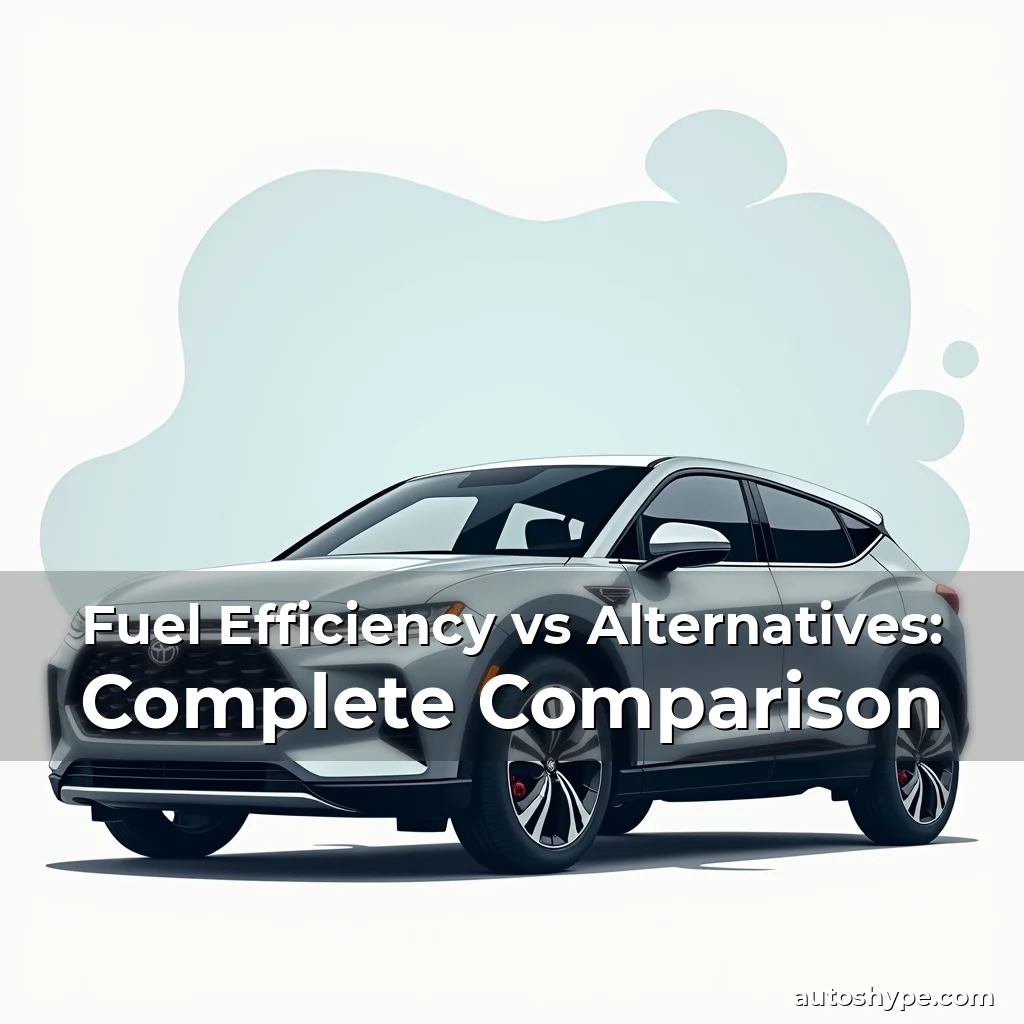
Why Fuel Efficiency Matters More Than Ever
Fuel efficiency isn’t just a buzzword—it’s a critical factor shaping everything from your monthly budget to global climate goals. With gasoline prices fluctuating wildly due to geopolitical tensions and supply chain disruptions, every drop of fuel saved translates to hard-earned cash retained. Moreover, inefficient vehicles contribute disproportionately to carbon dioxide emissions, exacerbating environmental challenges.
For car buyers, fuel efficiency often becomes a primary consideration alongside safety ratings, tech features, and resale value. A vehicle that achieves 30 MPG may seem modest compared to a rival offering 45 MPG, yet those extra 15 miles per gallon can add thousands of dollars to annual fuel expenses over time. This makes efficiency not just environmentally responsible but financially prudent.
Statistical Insight: According to the U.S. Department of Energy, the average American spends approximately $1,800 annually on fuel. Even small improvements in efficiency—such as switching from a 25-MPG car to a 30-MPG model—can save hundreds of dollars yearly.
Automakers also prioritize fuel efficiency due to increasingly stringent regulations. In the United States, Corporate Average Fuel Economy (CAFE) standards require automakers to achieve specific fleet-wide efficiency targets. These mandates push innovation in engine design, aerodynamics, and lightweight materials, benefiting consumers regardless of their vehicle preference.
However, the pursuit of higher fuel efficiency doesn’t always align with driver expectations. Some motorists prefer powerful V6 or V8 engines for towing, off-roading, or high-speed cruising. Balancing efficiency with performance remains a complex engineering challenge.
The Science Behind Fuel Efficiency
To understand how vehicles achieve better fuel economy, it’s crucial to explore the underlying principles. Internal combustion engines convert chemical energy from fuel into mechanical work, but this process is inherently inefficient. Only around 20–30% of the energy in gasoline actually powers the wheels; the rest is lost as heat, friction, and exhaust gases.
Modern technologies aim to close this gap. Turbocharging compresses intake air to increase power output without enlarging the engine, improving thermal efficiency. Direct injection delivers fuel precisely into cylinders, optimizing combustion. Additionally, variable valve timing adjusts intake/exhaust valves dynamically based on load and RPM, reducing wasted energy.
- Turbochargers: By forcing more air into the engine, turbochargers allow smaller engines to produce comparable power to larger ones, reducing weight and improving efficiency.
- Hybrid Systems: Pairing an ICE with an electric motor recovers braking energy via regenerative braking, which can boost overall efficiency by up to 30% in urban settings.
- Aerodynamic Design: Reducing drag through streamlined shapes, active spoilers, and low-profile tires minimizes resistance at highway speeds, saving significant fuel.
Even minor adjustments play a role. For instance, maintaining proper tire inflation reduces rolling resistance by up to 3%, while regular oil changes ensure engines operate smoothly without excessive friction. These cumulative effects underscore why routine maintenance is vital for preserving efficiency gains.
Electric Vehicles: A Game-Changer?
Electric vehicles (EVs) represent a paradigm shift in transportation, eliminating reliance on fossil fuels entirely. Unlike internal combustion engines, EV motors convert electrical energy to motion with near-perfect efficiency—over 90% of the stored energy powers the wheels. This stark contrast highlights why EVs are fundamentally more efficient than their gas-powered counterparts.
However, the full picture involves complexities beyond the drivetrain. Charging infrastructure varies globally, with rural areas still lacking widespread access. Battery production itself carries environmental costs, including mining for lithium, cobalt, and nickel. Critics argue that until renewable energy dominates electricity grids, EVs may not deliver net-zero benefits unless paired with clean power sources.
Range Anxiety: Despite rapid progress, many EVs still struggle with limited range compared to gas cars. While models like Tesla’s Model S exceed 400 miles on a single charge, mainstream offerings typically offer 200–300 miles. Long road trips demand careful route planning and knowledge of charging station locations.
Cost is another hurdle. Although operating costs are lower—electricity is cheaper than gasoline—the initial purchase price remains steep for many. Government incentives help offset this, but they vary widely depending on region and local policies.
Hybrid Technology: Bridging Old and New
Hybrid vehicles occupy a middle ground, combining internal combustion engines with electric propulsion systems. There are two main categories: mild hybrids and full hybrids. Mild hybrids use an electric motor to assist the engine during acceleration, improving fuel economy by up to 15%. Full hybrids, like Toyota’s Prius, can run solely on electric power for short distances and recharge batteries through regenerative braking.
Plug-in hybrids (PHEVs) extend this concept further by allowing users to charge the battery externally. This enables longer all-electric ranges—often 20–50 miles—before reverting to gasoline. For commuters with predictable routes, PHEVs offer the best of both worlds: zero-emission city travel and the flexibility of a gas tank for longer journeys.
Advantages of Hybrids: Reduced fuel consumption, lower emissions, and exemption from certain tolls and taxes. Additionally, hybrids retain the convenience of refueling at existing gas stations, making them ideal for regions with sparse EV infrastructure.
Despite these benefits, hybrids aren’t perfect. Their dual-engine complexity increases repair costs, and battery degradation over time can diminish efficiency gains. Furthermore, the environmental footprint of manufacturing batteries and producing gasoline remains contentious among eco-conscious drivers.
Driving Habits That Impact Efficiency
While vehicle specifications matter immensely, behind-the-wheel behavior significantly influences fuel efficiency. Aggressive driving—rapid acceleration, sudden braking, and speeding—wastes energy and decreases mileage. Studies show that driving at 70 mph instead of 55 mph can reduce fuel economy by up to 14% due to increased aerodynamic drag.
Idling is equally detrimental. Modern engines warm up quickly, so turning off the ignition when parked for more than 30 seconds saves fuel. Using cruise control on highways maintains consistent speeds, minimizing unnecessary throttle inputs. Conversely, frequent stop-and-go traffic in cities demands adaptive driving techniques to conserve fuel.
Practical Tips:
- Accelerate gradually and anticipate traffic lights to minimize abrupt stops.
- Use air conditioning sparingly; opening windows at high speeds creates more drag than running AC.
- Reduce excess weight in the vehicle by removing unused items from trunks and roofs.
These behaviors apply universally across vehicle types, whether you drive a compact sedan, pickup truck, or luxury SUV. Small changes compound over time, yielding measurable savings on fuel bills and extending engine life.
Maintenance Practices for Optimal Efficiency
Regular maintenance ensures that vehicles perform at peak levels, preventing gradual declines in fuel economy. Neglecting scheduled services can lead to clogged air filters, degraded spark plugs, or malfunctioning oxygen sensors—all of which degrade efficiency.
Changing engine oil regularly keeps lubrication optimal, reducing friction losses. Factory-recommended intervals usually range from 5,000 to 10,000 miles, depending on the type of oil used. Synthetic oils provide superior protection and can enhance efficiency in extreme weather conditions.
Tire Care: Maintaining proper tire pressure is one of the simplest ways to improve fuel efficiency. Underinflated tires create additional rolling resistance, decreasing MPG by up to 3%. Regular checks, especially before long drives, prevent unexpected flats and preserve fuel economy.
Other components merit attention too. Dirty mass airflow sensors distort readings, causing the engine to compensate incorrectly. Replacing worn-out belts and hoses prevents breakdowns that could force emergency repairs. Lastly, ensuring the cooling system operates efficiently avoids overheating, which strains the engine unnecessarily.
Cost-Benefit Analysis: Gas vs Electric vs Hybrid
When comparing ownership costs, the equation extends beyond fuel expenses. Upfront pricing for EVs remains higher than conventional cars, though lease deals and tax credits can mitigate this. Over time, however, savings from lower fuel and maintenance costs often outweigh the initial investment.
An all-electric vehicle costing $40,000 might see depreciation rates similar to a gas-powered car priced at $30,000. Yet, assuming $0.15 per mile in electricity costs versus $0.12 per mile in gasoline, combined with reduced service visits, EVs can become more economical after five years of ownership.
Hybrids strike a compromise. While they don’t eliminate fuel dependency, their improved efficiency cuts costs relative to non-hybrids. For instance, a midsize hybrid sedan achieving 40 MPG compared to a standard model at 25 MPG can save over $1,500 annually in fuel alone—if driven 15,000 miles yearly.
Financing options also influence decisions. Leasing an EV might be preferable for drivers unwilling to commit to long-term ownership, whereas purchasing allows full benefit from tax rebates and incentives. Always consider local laws regarding scrappage programs or trade-in bonuses when evaluating total cost.
Environmental Impact: Beyond Miles Per Gallon
Fuel efficiency discussions often overlook broader ecological consequences. While burning gasoline emits CO₂ and particulate pollutants, the lifecycle of alternative energy sources deserves scrutiny. Battery production for EVs involves resource extraction and processing that carry environmental risks, albeit less severe than continuous fossil fuel combustion.
Renewable energy integration is pivotal. If an EV charges exclusively from solar panels or wind farms, its carbon footprint approaches zero. Conversely, relying on coal-fired plants negates much of the benefit. Thus, the grid’s energy mix determines the true greenness of electric mobility.
Hydrogen fuel cell vehicles represent another frontier. Producing hydrogen cleanly requires electrolysis powered by renewables—a process currently expensive and energy-intensive. Nonetheless, hydrogen offers the advantage of quick refueling times and minimal range limitations, positioning it as a potential complement to EVs.
Biofuels like ethanol and biodiesel provide transitional solutions. Though they emit fewer greenhouse gases than petroleum-based fuels, land-use conflicts and food-vs-fuel debates complicate their viability. Second-generation biofuels derived from agricultural waste hold promise but remain niche in current markets.
The Road Ahead: Innovations in Fuel Efficiency
Ongoing research pushes the boundaries of what’s possible in efficiency. Lightweight materials like aluminum and carbon fiber reduce vehicle mass, enabling faster acceleration and lower fuel consumption. Advanced AI-driven systems optimize routing and driving patterns in real-time, squeezing out every last bit of efficiency.
Solar-integrated vehicles experiment with rooftop photovoltaic cells to supplement charging needs, particularly beneficial for stationary periods. While impractical for high-speed highways, these designs offer incremental gains for city dwellers and delivery fleets.
Cylinder deactivation technology temporarily disables some engine cylinders during light loads, conserving fuel. Combined with start-stop systems that shut off the engine at red lights, these innovations collectively reduce idle-related waste.
The future likely holds convergence rather than replacement. Plug-in hybrids may evolve into extended-range electric vehicles with onboard generators. Meanwhile, synthetic fuels synthesized from captured CO₂ and renewable energy could bridge gaps for legacy engine platforms.
Choosing the Right Option: Factors to Consider
Selecting the optimal solution depends on individual priorities. Urban drivers seeking zero-emission commuting may find EVs irresistible, while those needing occasional highway travel might lean toward PHEVs. Fleet operators prioritizing cost-effectiveness could favor hybrids, balancing affordability with reduced operational spend.
Lifestyle plays a role too. Adventurers requiring off-road capability or heavy towing capacity might opt for diesel trucks, which offer superior torque and fuel economy in demanding scenarios. Conversely, families needing space and comfort may choose larger SUVs engineered for efficiency despite their size.
Location matters: Drivers in cold climates face efficiency challenges, as heating systems drain energy. Snowplows and ice scrapers can further diminish mpg in winter months. Residents of arid regions may prioritize sun-tracking solar accessories or reflective paint coatings to combat heat absorption.
Ultimately, the decision hinges on weighing immediate needs against long-term goals. Will you prioritize upfront savings, environmental stewardship, or technological novelty? Understanding these nuances helps navigate the complex landscape of modern motoring.
Conclusion
Fuel efficiency remains a multifaceted priority influenced by vehicle choice, driving habits, and evolving technology. As the automotive world transitions toward electrification, traditional methods coexist with groundbreaking alternatives, each carrying distinct advantages and trade-offs.
Whether opting for a gasoline-efficient engine, embracing electric mobility, or leveraging hybrid systems, informed choices maximize both economic and environmental outcomes. Stay vigilant about maintenance, adapt driving styles, and monitor industry trends to ensure your journey aligns with personal and planetary imperatives. The path to smarter motoring begins with awareness—and ends with action.


news is a contributor at AutosHype. We are committed to providing well-researched, accurate, and valuable content to our readers.
You May Also Like

Fuel Efficiency: Essential Tools and Resources
The Ultimate Fuel Efficiency Handbook for Car Enthusiasts In an era where environmental consciousness meets automotive innovation, fuel efficiency has...

The Rust Belt Revival: A Look at the Impact of Trump's Automobile Tariffs
The History of the American Automobile Industry in Michigan The two-story red brick building in Flint, Michigan, known as Factory...

Fueling in Colorado: Understanding 85-Octane Gasoline
At elevations above 3,500 feet, the air is less dense, which affects how engines combust fuel. This phenomenon occurs due...

Fuel Efficiency Step-by-Step Tutorial
The Ultimate Fuel Efficiency Blueprint for Modern Drivers In an era where every gallon counts, mastering fuel efficiency has become...