Luxury Cars for Small Spaces
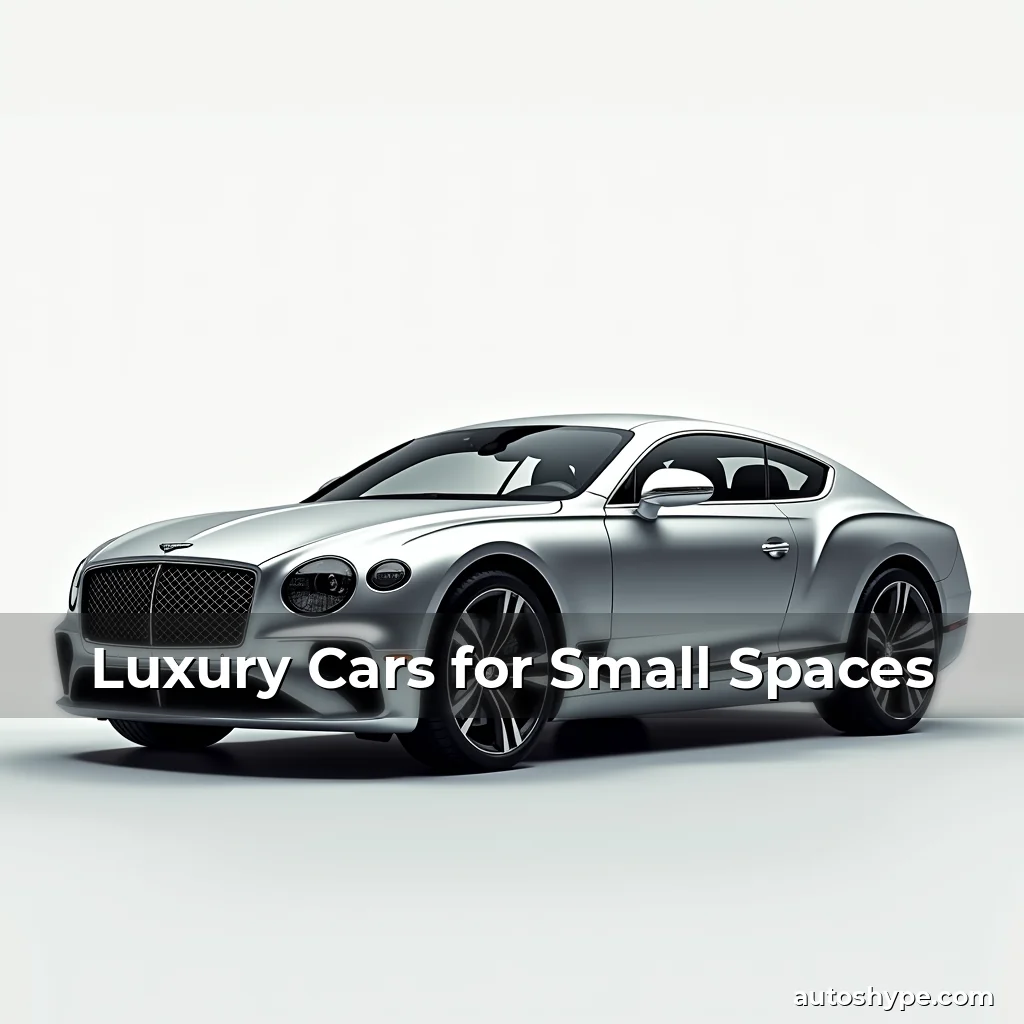
The Ultimate Guide to Luxurious Compact Performance: Mastering the Art of Driving in Urban Spaces
In an era where urban living is becoming increasingly complex, luxury car ownership has evolved beyond mere status symbols to become essential tools for modern mobility. This guide explores how high-end automakers are redefining compact performance vehicles to meet the demands of city dwellers who crave both sophistication and functionality.
With rising traffic congestion and limited parking availability, today’s discerning drivers seek vehicles that combine opulence with practicality without compromising driving pleasure. The next generation of luxury cars is specifically engineered to thrive in dense metropolitan environments while maintaining the hallmark features associated with premium automobiles.
Redefining Luxury in Compact Form
Pioneering brands have mastered the art of creating ultra-luxurious yet maneuverable vehicles tailored for urban landscapes. These innovations represent a significant shift from traditional full-size limousines towards agile, space-efficient machines that maintain exceptional comfort levels.
Modern luxury compacts integrate advanced materials such as carbon fiber reinforced polymers and aluminum alloys to achieve optimal weight distribution. This engineering approach ensures these vehicles deliver superior handling characteristics despite their reduced dimensions.
- Bespoke Interior Craftsmanship: Premium leather upholstery combined with hand-stitched detailing creates an ambiance of exclusivity typically reserved for larger executive sedans.
- Advanced Driver Assistance Systems: Cutting-edge technology packages now include adaptive cruise control, automated parallel parking, and intelligent blind spot monitoring systems designed specifically for tight city driving conditions.
These vehicles incorporate state-of-the-art infotainment interfaces featuring gesture controls and voice recognition capabilities. Such technological advancements ensure seamless integration between driver convenience and vehicle performance parameters.
Engineers have successfully implemented hybrid powertrains in several luxury compact models, offering enhanced fuel efficiency without sacrificing acceleration responsiveness. This innovation addresses growing environmental concerns among affluent consumers seeking sustainable transportation options.
Ergonomic Innovations for City Drivers
Urban professionals demand vehicles that balance professional aesthetics with personal comfort. Contemporary luxury compact designs prioritize ergonomic considerations through innovative seating configurations and intuitive interior layouts.
Dual-zone climate control systems allow passengers to customize temperature settings independently, ensuring optimal thermal comfort during extended commutes. Similarly, ambient lighting technologies create customizable atmospheres within confined spaces.
Some manufacturers offer fully adjustable lumbar support mechanisms paired with multi-way power seats that accommodate various body types. This attention to ergonomics transforms even small interiors into personalized sanctuaries.
Integrated smartphone connectivity solutions enable seamless synchronization with popular mobile applications. Features like wireless charging pads and Qi-compatible surfaces further enhance usability for tech-savvy commuters.
Statistical Insights on Urban Mobility Trends
A recent study by the International Transport Forum indicates that over 60% of global population will reside in urban areas by 2030. This demographic shift necessitates rethinking conventional approaches to vehicular design and functionality.
Data analysis reveals a notable trend: buyers of luxury compact cars exhibit higher engagement with digital services compared to owners of traditional large sedan models. This behavioral pattern suggests evolving expectations regarding connected experiences within enclosed driving environments.
Market research firms report consistent growth in sales figures for luxury compacts across major metropolitan regions. In cities like Tokyo and New York, these vehicles occupy approximately 18% of the premium segment market share.
This upward trajectory underscores the increasing relevance of compact luxury vehicles in contemporary transportation ecosystems. As lifestyles continue to evolve, so too must our definitions of what constitutes a truly luxurious driving experience.
Technological Advancements Enabling Urban Sophistication
Automotive engineers face unique challenges when designing luxury vehicles optimized for city use. They must reconcile the need for sophisticated amenities with strict spatial constraints inherent in compact platforms.
To overcome these limitations, designers employ modular component architectures that maximize usable volume while minimizing physical footprint. Smart storage solutions feature retractable compartments and fold-flat surfaces for versatile cargo management.
Sophisticated suspension systems utilize electronically controlled dampers capable of adjusting firmness based on road conditions and driver preferences. These systems ensure smooth rides even on rough urban terrain without compromising agility.
Active aerodynamics play a crucial role in optimizing performance within confined spaces. Adjustable spoilers and air vents help manage downforce and cooling requirements efficiently in densely populated zones.
Exclusive Accessory Ecosystems
Recognizing the importance of personalization, leading luxury brands provide extensive accessory programs tailored specifically for compact models. These offerings extend beyond standard customization options available for larger vehicles.
Specialty trim kits include bespoke wood veneer selections and exclusive fabric patterns not found in conventional lineup offerings. Customizable stitching options allow clients to match interiors with individual style preferences.
Smart accessories encompass remote start systems integrated with mobile apps, allowing users to pre-condition cabin temperatures before entering the vehicle. Heated steering wheels and seat massage functions add layers of comfort for daily commutes.
Cutting-edge security systems feature biometric access controls using fingerprint scanners and facial recognition software. These advancements redefine safety standards for smaller premium vehicles.
The Evolution of Luxury Vehicle Design Philosophy
Historically, luxury automobile manufacturers focused primarily on crafting grand touring sedans emphasizing long-distance comfort and prestige. However, changing consumer behaviors necessitate new design paradigms centered around urban accessibility.
Contemporary automotive leaders recognize that true luxury encompasses total ownership experience rather than merely physical attributes alone. This holistic perspective informs every aspect of product development processes.
Vehicles designed for city life must strike careful balances between spacious interiors and exterior proportions suitable for narrow streets and crowded parking lots. Engineers continually refine packaging strategies to optimize both aspects simultaneously.
Innovative door opening mechanisms facilitate easier entry/exit in congested environments. Some models incorporate gull-wing doors or scissor doors inspired by supercars but adapted for everyday usability scenarios.
Designers also pay meticulous attention to windshield wiper coverage areas, ensuring visibility remains unobstructed even during heavy rainfall common in many urban centers worldwide.
Environmental Considerations in Modern Luxury Vehicles
Eco-conscious consumers expect sustainability credentials from their preferred luxury brands. Automotive companies respond by integrating environmentally responsible manufacturing practices alongside energy-efficient propulsion systems.
Many manufacturers use recycled materials in interior components while reducing overall plastic usage through natural fiber alternatives. These efforts contribute significantly to lowering carbon footprints associated with vehicle production cycles.
Hybrid and electric variants offer compelling alternatives for environmentally aware motorists seeking prestigious transportation solutions without sacrificing performance characteristics.
Battery recycling programs and end-of-life vehicle disassembly protocols demonstrate commitment to circular economy principles within the automotive industry sector.
Futuristic Vision for Urban Luxury Mobility
Looking ahead, autonomous driving technology promises to revolutionize how we perceive and interact with luxury vehicles in metropolitan contexts. Self-driving capabilities could dramatically alter commuting dynamics and personal space utilization.
Vehicle-to-everything communication systems enable real-time interaction between cars and infrastructure elements. This interconnected network facilitates smoother traffic flow patterns and enhances situational awareness for occupants.
Emerging materials science breakthroughs may soon introduce self-healing exteriors and bioengineered fabrics that adapt dynamically to environmental changes. These innovations would redefine durability standards for compact luxury machines.
As smart cities develop more comprehensive transportation grids, luxury car manufacturers position themselves at the forefront of shaping future mobility solutions tailored specifically for urban populations.
Conclusion
This exploration highlights the remarkable transformation occurring within the luxury automotive landscape, particularly concerning vehicles suited for urban environments. Through thoughtful engineering and visionary design philosophies, manufacturers continue pushing boundaries in delivering exceptional driving experiences within constrained spaces.
For discerning drivers navigating modern metropolises, understanding these evolutionary trends enables informed purchasing decisions aligned with both lifestyle needs and aspirational values associated with premium motoring experiences.
“`