
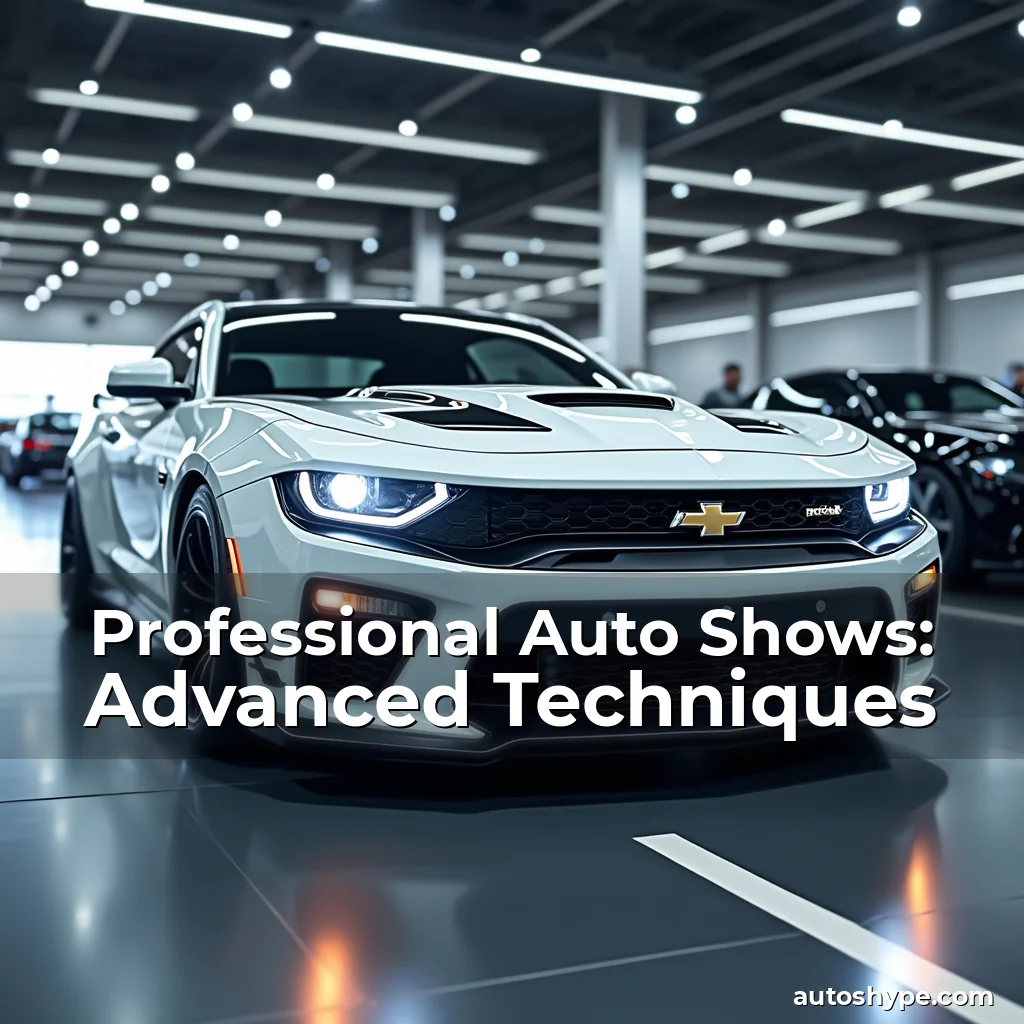
Auto Show Mastery: Behind the Scenes Secrets of Professional Events
The world of professional auto shows is an electrifying blend of innovation, performance, and spectacle that captivates automotive enthusiasts around the globe. These events are not merely showcases of new vehicles but serve as critical platforms where manufacturers unveil groundbreaking technologies, design philosophies, and future directions in the industry.
From the grandeur of international expos to the intimate charm of local gatherings, each event carries its own distinct flavor while maintaining a shared mission: to celebrate the artistry and engineering behind modern automobiles. This article delves deep into the intricate workings of these exhibitions, offering invaluable insights tailored specifically for discerning car aficionados who seek to understand what makes auto shows so compelling.
The Evolution of Auto Shows: A Historical Perspective
The roots of contemporary auto shows can be traced back to the early 20th century when automakers first recognized the potential of public exhibitions to showcase their latest models. The very first recorded motor show took place in London during 1903, marking a pivotal moment in how automotive innovations would be presented to consumers.
This initial exhibition laid down foundational principles that continue influencing today’s events. Over time, these gatherings evolved from simple displays into elaborate spectacles featuring live demonstrations, interactive experiences, and exclusive previews of upcoming releases. Today’s auto shows reflect centuries of automotive progress through meticulously curated exhibits that tell stories spanning decades.
- Pioneering Exhibitions: Early shows focused primarily on demonstrating mechanical advancements such as horsepower improvements and fuel efficiency gains.
- Digital Integration: Modern auto shows incorporate virtual reality elements allowing attendees to experience concept cars before they hit production lines.
- Sustainability Focus: Contemporary exhibitions highlight electric vehicle developments alongside traditional combustion engine models showcasing ongoing transitions within the industry.
Mastering the Art of Booth Design at Major Automotive Expos
Crafting effective booth designs requires strategic planning that balances aesthetics with functionality. Successful exhibitors invest significant resources into creating immersive environments that engage visitors while effectively communicating brand identity and product features.
Designers employ various techniques including lighting effects, soundscapes, and spatial layouts optimized for foot traffic flow. High-resolution digital screens displaying dynamic content play crucial roles in capturing attention amidst competitive exhibition floors filled with hundreds of participating brands.
Strategies Employed by Top Manufacturers
Data analysis has become essential in optimizing booth effectiveness. Leading manufacturers utilize visitor tracking systems embedded within exhibit spaces to gather real-time analytics regarding attendee behavior patterns across different display areas.
These insights guide decisions related to layout adjustments, promotional materials distribution strategies, and staff deployment schedules aimed at maximizing engagement metrics throughout extended event durations typically lasting several days or even weeks depending upon location size and scope.
The Role of Influencers and Media Personnel During International Motor Expos
Influencer participation has transformed conventional auto show dynamics significantly over recent years. Social media personalities bring fresh perspectives by sharing unfiltered views of emerging trends observed firsthand at these prestigious occasions.
Media coverage remains integral despite evolving digital landscapes; journalists still provide authoritative assessments complementing online commentary generated via influencer networks. Their presence ensures balanced reporting encompassing both technological breakthroughs and consumer reception data collected post-exhibition periods.
Celebrating Diversity Through Global Participation in Auto Exhibitions
International representation adds richness to every major automobile exposition. Countries contribute unique cultural influences shaping design choices reflected in displayed prototypes ranging from minimalist Japanese interpretations to bold European styling approaches.
Diverse market demands drive innovation seen globally – Asian markets favor compact yet technologically advanced offerings whereas North American audiences often prioritize spacious interiors combined with robust powertrain options illustrating regional preferences impacting global manufacturing priorities accordingly.
Fostering Community Engagement Through Interactive Experiences at Car Shows
Interactive installations have emerged as powerful tools enhancing visitor immersion levels beyond passive observation modes previously dominant at most automobile exhibitions. Hands-on activities allow participants direct interaction facilitating deeper understanding of complex mechanisms otherwise difficult to grasp visually alone.
Such experiential learning opportunities bridge knowledge gaps between casual observers and seasoned professionals alike promoting broader appreciation for automotive craftsmanship among general populace attending annual fairs held worldwide annually without specialized technical backgrounds required prior access.
Evolving Trends Shaping Future Directions of Automobile Exhibition Formats
Trends indicate shifting paradigms towards hybrid formats incorporating physical visits supplemented digitally accessible components enabling wider reach beyond geographical limitations imposed traditionally by venue capacities restricting attendance numbers physically present onsite.
Virtual tours integrated seamlessly into existing structures offer flexibility permitting remote exploration simultaneously alongside traditional methods ensuring inclusivity maintained regardless of individual circumstances preventing exclusion due logistical constraints affecting travel abilities.
Behind-the-Scenes Operations Managing Large-Scale Vehicle Display Events
Organizing massive automobile exhibitions involves meticulous coordination spanning months ahead involving numerous stakeholders working collaboratively toward common goals centered around successful execution aligning expectations set forth initially outlined objectives established beforehand.
Venue selection processes consider factors like accessibility routes connecting transportation hubs efficiently minimizing delays caused during peak hours experienced regularly near popular destinations frequented heavily throughout duration events transpire.
Conclusion
Understanding the multifaceted nature of professional auto shows equips enthusiasts better prepared navigating vast information available through diverse sources encountered daily within this rapidly changing landscape characterized continuously by technological breakthroughs occurring frequently.
By appreciating underlying complexities involved producing exceptional quality experiences consistently delivered reliably year after year irrespective external challenges faced inevitably arising occasionally disrupting smooth operations requiring adaptive solutions implemented swiftly restoring normal functioning promptly whenever necessary.