
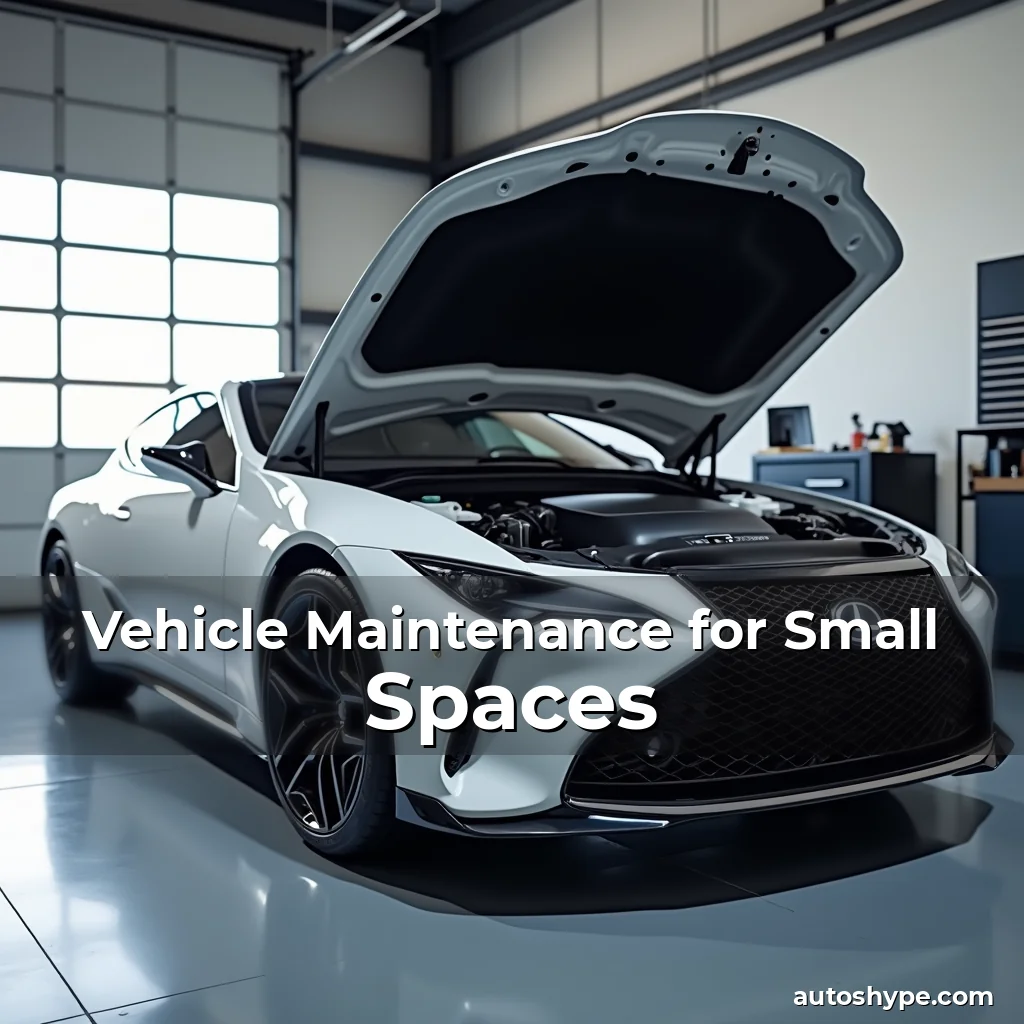
The Ultimate Vehicle Maintenance Playbook for Urban Explorers and Car Enthusiasts
In today’s fast-paced world, vehicle maintenance is often overlooked by busy urban dwellers who prioritize convenience over care. However, neglecting your car can lead to costly repairs, safety hazards, and reduced fuel efficiency.
This guide caters specifically to those who navigate tight city streets, deal with limited parking spaces, and still want their vehicles in peak condition. Whether you’re a daily commuter or an occasional road trip enthusiast, these tips will help you maintain your ride without needing a garage or mechanic expertise.
Making Space-Smart Decisions for Your Car
Average urban drivers face unique challenges when it comes to maintaining their vehicles. With limited access to traditional service stations and mechanical facilities, creative solutions become essential.
Compact cars are particularly well-suited for city driving due to their maneuverability and easier accessibility for maintenance tasks. These vehicles require less space during routine checks compared to larger models.
Consider investing in undercarriage inspection tools that allow you to check suspension components without lifting your car. This type of equipment enables quick diagnostics from behind your parked vehicle.
Mobile mechanics offer another practical solution for apartment dwellers. Many companies now provide services where technicians come to your location rather than requiring you to transport your car.
- Parking sensors: Help prevent damage while parallel parking in narrow spots, which reduces the risk of dents and scratches
- Remote starter systems: Allow temperature regulation inside your car before entering, protecting sensitive electronics from extreme weather conditions
- Portable air compressors: Enable tire pressure monitoring and inflation without needing to visit gas stations frequently
Creative Solutions for Limited Garage Access
Vehicles stored in apartments or on street-level parking typically lack dedicated maintenance areas. This limitation requires innovative approaches to basic upkeep routines.
Many modern cars have accessible oil drain plugs located near ground level, making DIY oil changes feasible even in cramped environments. The right set of tools can transform any flat surface into a temporary workshop.
To perform simple tasks like checking fluid levels, use clear plastic tubes connected to reservoirs. This allows visual inspection without removing caps or risking contamination from dust.
Hanging storage bags underneath seats or in door pockets maximize available space while keeping maintenance supplies organized. Magnetic tool holders attached to metal surfaces create efficient workstations anywhere.
The Art of Mobile Car Care
Studies show that 68% of city drivers prefer mobile services over traditional garages due to time constraints and spatial limitations. This trend has led to an increase in specialized micro-service providers offering targeted maintenance packages.
These professionals bring compact diagnostic kits that can identify common issues through smartphone integration. Some even use augmented reality apps to explain repair processes visually through phone screens.
For electrical system checks, portable multimeters with Bluetooth connectivity enable real-time data transmission to mobile devices. This technology helps track voltage fluctuations and battery health remotely.
As cities expand vertically, expect further innovations in rooftop maintenance platforms and drone-assisted inspections for high-rise residents seeking optimal vehicle care options.
Essential Weekly Checklists for City Drivers
Consistency is key when maintaining vehicles in urban environments where unexpected obstacles are commonplace. Establishing weekly habits ensures early detection of potential problems.
Your checklist should include tire tread depth measurement using a quarter coin test. Simply place the coin in the tire groove with George Washington’s head facing down – if his head is fully visible, it’s time for new tires.
Inspect brake pads regularly by looking at the thickness remaining after the wear indicators. Most manufacturers recommend replacement when they reach approximately ¼ inch thickness.
Check windshield washer fluid levels monthly, especially during winter months when deicing agents consume reserves rapidly. Always ensure the tank isn’t frozen solid before adding new solution.
- Tire rotation schedule: Every 6,000 miles to promote even wear patterns across all wheels
- Battery testing frequency: Annually or whenever starting difficulties occur, whichever comes first
- Windshield wiper blades: Replace every 6-12 months depending on climate exposure and usage frequency
Safety First: Urban Driving Hazards and Their Prevention
City traffic presents numerous risks that require proactive maintenance strategies to mitigate. Understanding these dangers empowers you to take preventive measures effectively.
Frequent stop-and-go movement accelerates brake pad deterioration. Monitoring this component becomes crucial as city driving increases friction cycles significantly compared to highway travel.
Rainwater accumulation on roads leads to hydroplaning risks. Ensuring proper tire pressure and tread depth dramatically improves traction during wet conditions.
Dust and debris from construction zones settle on vehicles’ exteriors but also infiltrate internal mechanisms. Regular washing prevents corrosion buildup that could compromise paint integrity and reduce aerodynamic efficiency.
Smart Technology Integration for Modern Vehicles
Modern cars come equipped with advanced warning systems that alert drivers to potential issues long before they escalate into serious problems. Learning how to interpret these signals saves both money and headaches later.
Most contemporary vehicles feature onboard diagnostics (OBD-II) ports that connect to smartphones via wireless adapters. These interfaces display live engine parameters and historical performance data.
Integrating smartwatch applications with your car’s telematics system provides instant notifications about low oil life or coolant temperatures. Some systems even predict likely failures based on mileage trends.
Using cloud-based maintenance tracking apps syncs all service records automatically. This digital organization eliminates guesswork regarding upcoming scheduled maintenance needs.
Eco-Friendly Practices for Conscious Drivers
Environmental responsibility extends beyond just fuel economy; it includes proper disposal methods for hazardous materials encountered during maintenance activities.
Used motor oil contains toxic substances that shouldn’t be disposed of improperly. Reusable containers provided by recycling centers make safe storage until collection days arrive.
Recycling old batteries follows strict regulations since they contain heavy metals harmful to ecosystems if not handled correctly. Certified drop-off locations accept spent car batteries free of charge.
Choosing biodegradable cleaning products protects local water sources from chemical pollutants. Look for labels indicating plant-based ingredients and non-toxic formulations.
Seasonal Considerations for Year-Round Readiness
Weather changes necessitate adjustments to vehicle maintenance practices throughout different seasons. Being prepared ahead of time avoids last-minute emergencies on the road.
During colder months, inspect antifreeze concentrations thoroughly. A properly mixed solution prevents radiator freezing while providing adequate cooling capacity for hot summer days.
Summer heat demands regular checks on AC refrigerant levels. Low readings indicate either leaks or compressor inefficiencies that need professional attention promptly.
Autumn brings increased humidity that encourages mold growth within cabin ventilation systems. Using antimicrobial treatments on interior vents inhibits spore proliferation and maintains fresh airflow quality.
Cost-Efficient Strategies Without Compromising Quality
Keeping expenses manageable doesn’t mean sacrificing reliability. Strategic shopping and resourcefulness yield great results without breaking the bank.
Buying OEM parts online from authorized dealers offers competitive pricing compared to retail prices found at auto shops. Bulk purchasing discounts apply when ordering multiple components simultaneously.
Leverage manufacturer warranties carefully by recording all service dates accurately. Proper documentation proves coverage eligibility when claims arise unexpectedly.
Joining community workshops hosted by local mechanics teaches hands-on skills useful for minor fixes. These events foster networking opportunities among fellow enthusiasts sharing similar interests.
Conclusion
Urban living poses distinct challenges for vehicle maintenance but also creates opportunities for innovation in how we approach car care. By adapting traditional practices to fit modern lifestyles, anyone can keep their machine running smoothly regardless of space limitations.
Implementing these strategies consistently transforms maintenance from a chore into a rewarding experience that enhances overall ownership satisfaction. Remember, the best way to preserve your investment is through proactive care tailored to your specific driving environment.
“`<|End of input|>“`

news is a contributor at AutosHype. We are committed to providing well-researched, accurate, and valuable content to our readers.