Autonomous Vehicles Best Practices 2025
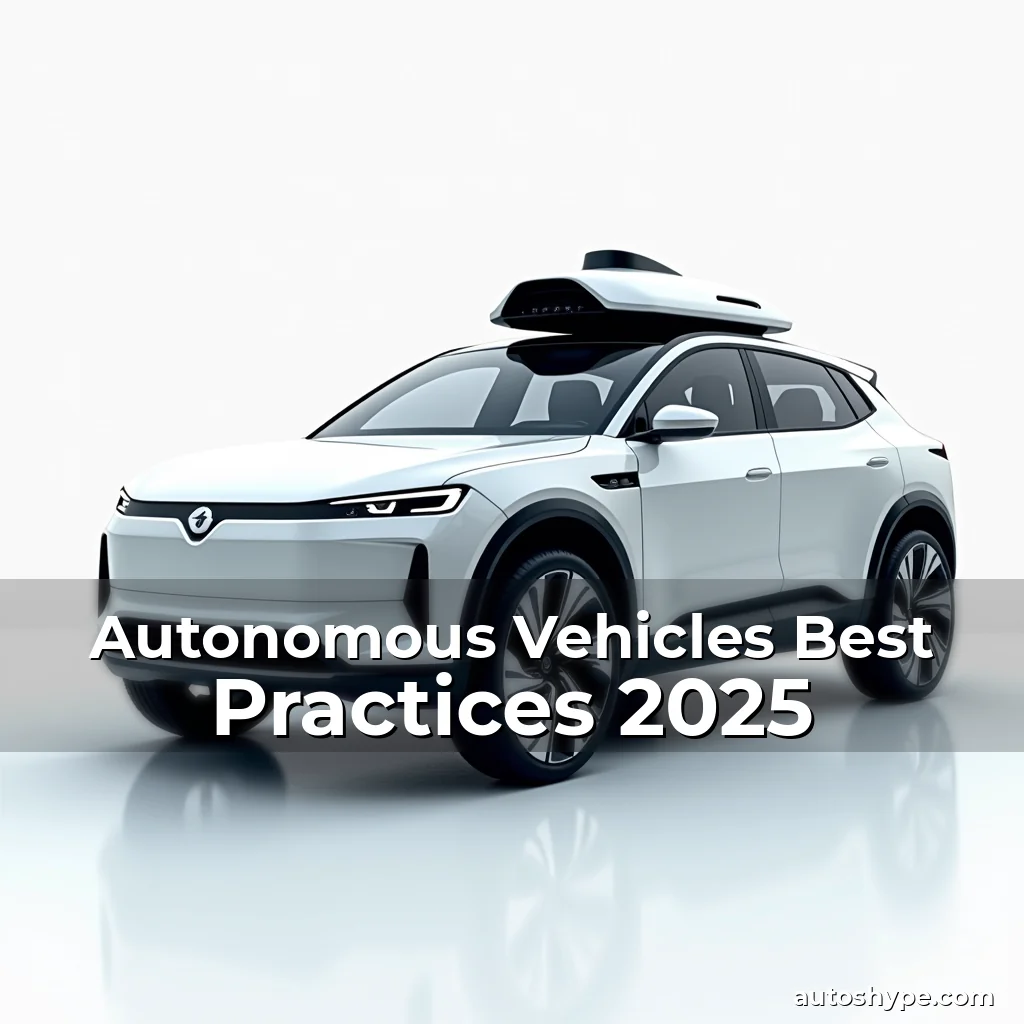
The Future is Now: Navigating Autonomous Vehicle Technology in 2025
In an era where innovation drives every aspect of our lives, autonomous vehicle technology stands at the forefront of transformation. As we enter 2025, these self-driving machines are not merely a futuristic concept but a tangible reality that promises to redefine transportation as we know it.
The journey towards fully autonomous vehicles has been marked by rapid advancements in artificial intelligence, sensor technologies, and machine learning algorithms. These innovations have paved the way for safer roads, reduced traffic congestion, and enhanced mobility solutions tailored for urban environments.
Redefining Safety Standards through AI Integration
Safety remains paramount in the development of autonomous vehicles. By integrating advanced AI systems, manufacturers aim to eliminate human error—the leading cause of road accidents worldwide.
Machine learning models trained on vast datasets allow autonomous cars to predict potential hazards accurately and respond faster than any human driver could react.
- Collision Avoidance Systems: Utilize real-time data from sensors such as LiDAR and radar to detect obstacles within milliseconds.
- Adaptive Cruise Control: Maintains safe distances between vehicles using dynamic speed adjustments based on traffic conditions.
These features collectively contribute to significantly reducing accident rates while enhancing overall driving experiences for passengers and pedestrians alike.
Evolving Sensor Technologies Powering Self-Driving Cars
At the heart of autonomous vehicle operation lies an array of sophisticated sensing technologies designed to perceive their surroundings continuously.
Laser-based LiDAR units provide high-resolution mapping capabilities essential for navigation accuracy under various weather conditions. Meanwhile, radar systems offer reliable object detection even when visibility is compromised due to rain or fog.
The Synergy Between Different Sensors
Combining multiple sensory inputs ensures redundancy—a critical factor ensuring reliability during system failures or environmental challenges.
This multi-sensor approach allows autonomous vehicles to maintain situational awareness without relying solely on any single source of information.
Urban Mobility Solutions Shaped by Autonomous Driving
With increasing populations moving toward densely populated cities, autonomous vehicles present innovative solutions aimed at easing urban transport burdens.
Predictive analytics integrated into AVs enable optimized route planning which minimizes travel times across busy city networks effectively managing peak hour traffic flows efficiently.
Fleet management strategies involving shared autonomous taxis can dramatically reduce private car ownership needs thereby decreasing parking demands in metropolitan areas.
Moreover, improved accessibility becomes possible through personalized ride services catering specifically to elderly individuals or those with disabilities who might otherwise face limitations regarding traditional public transit options.
Challenges Facing Widespread Adoption of Autonomous Vehicles
Despite significant progress made thus far, several hurdles still impede mass adoption rates globally including regulatory frameworks lagging behind technological developments.
Varying state laws concerning liability issues arising from accidents caused by malfunctioning automated systems create inconsistencies hindering seamless integration across regions.
Public perception also plays a crucial role; many consumers remain skeptical about entrusting their safety entirely upon computerized decision-making processes rather than experienced human drivers.
To overcome these barriers successfully requires collaborative efforts among policymakers, industry leaders, and consumer advocates working together towards establishing standardized protocols governing future deployments safely.
Environmental Impact & Sustainability Benefits Offered by Autonomous Fleets
Autonomous vehicles hold considerable promise regarding environmental sustainability primarily because they operate more efficiently compared to conventional manually driven counterparts.
Through intelligent routing software combined with regenerative braking mechanisms found commonly among electrically powered autonomous platforms, energy consumption levels decrease substantially lowering carbon footprints associated with daily commutes.
Furthermore, widespread deployment could lead to increased usage rates among existing infrastructure elements like roads and bridges since fewer new construction projects would be required accommodating larger numbers of users via optimized fleet operations instead.
Such efficiencies align perfectly with global initiatives targeting net-zero emissions goals set forth by numerous international agreements focused heavily around climate change mitigation efforts currently underway worldwide today.
Legal Frameworks Governing Autonomous Transportation Systems
Establishing clear legal guidelines surrounding autonomous vehicles is vital considering their complex nature involves interactions between hardware components controlled remotely often beyond direct oversight from individual operators.
Determining responsibility after incidents occurs poses unique challenges requiring reevaluation of current statutes related to vehicular negligence claims typically assigned exclusively onto drivers themselves previously.
Countries adopting proactive approaches legislate ahead allowing pilot programs testing functionalities legally before full-scale commercialization begins ensuring smoother transitions occurring gradually minimizing abrupt societal disruptions potentially resulting otherwise.
Collaborative dialogues amongst stakeholders comprising lawmakers, technologists, insurers, along with law enforcement agencies become imperative facilitating informed decisions shaping policies responsive adequately addressing emerging concerns promptly whenever necessary.
Consumer Acceptance Factors Influencing Adoption Rates Amongst Car Owners
For autonomous vehicles to achieve mainstream acceptance, understanding what motivates end-users becomes fundamental especially given diverse demographics possessing distinct preferences impacting uptake speeds considerably.
Factors influencing positive perceptions include perceived convenience enhancements offering hands-free commuting possibilities enabling multitasking opportunities beneficial particularly for professionals engaged frequently in work-related activities during transit periods regularly encountered nowadays.
Trustworthiness emerges another pivotal consideration wherein transparency maintained consistently throughout design phases coupled with rigorous validation procedures assures buyers confidence sufficiently strong enough motivating them proceeding forward making purchases ultimately.
Additionally affordability aspects cannot overlooked here either since cost considerations influence purchasing decisions heavily regardless how impressive functionalities demonstrated publicly may appear initially attracting attention temporarily though long-term viability hinges largely upon price points accessible reasonably widely available market segments eventually.
Economic Implications Arising From Mass Deployment Of Self-Driving Tech
Mass implementation of autonomous driving technology brings profound economic transformations affecting various sectors notably employment structures traditionally reliant upon manual labor forces now facing disruption risks.
Taxi and trucking industries represent prime examples witnessing shifts occurring rapidly necessitating workforce reskilling programs becoming increasingly essential mitigating unemployment spikes threatening social stability negatively.
New job creation avenues arise simultaneously however focusing predominantly around maintenance technicians specialized engineers responsible overseeing continuous upgrades sustaining operational efficiency persistently over time periods extended indefinitely unless external factors intervene unexpectedly altering trajectories altogether unpredictably.
Investment influxes directed towards R&D departments intensify competition pressures pushing companies striving relentlessly innovate continuously keeping pace evolving standards demanded constantly growing markets demanding evermore sophisticated offerings continually improving user satisfaction metrics consistently monitored closely regularly updated periodically ensuring sustained relevance achieved effortlessly naturally seeming almost effortless actually despite underlying complexities involved inherently unavoidable inevitably present everywhere always.
Conclusion
As we stand on the brink of a new era defined fundamentally by autonomous vehicle technology, its implications span across numerous domains profoundly reshaping societal norms established historically rooted deeply within cultural contexts prevalent extensively throughout generations past till date.
By embracing these transformative changes proactively rather than passively resisting inevitable trends unfolding dynamically moment-by-moment, we position ourselves advantageously capitalizing fully benefits accruable stemming directly from this revolutionary advancement sweeping rapidly through contemporary landscapes visibly observable everywhere nowadays unmistakably clearly evident absolutely undeniable irrefutable facts verifiable objectively measurable scientifically substantiated evidence supporting assertions unequivocally without doubt whatsoever.