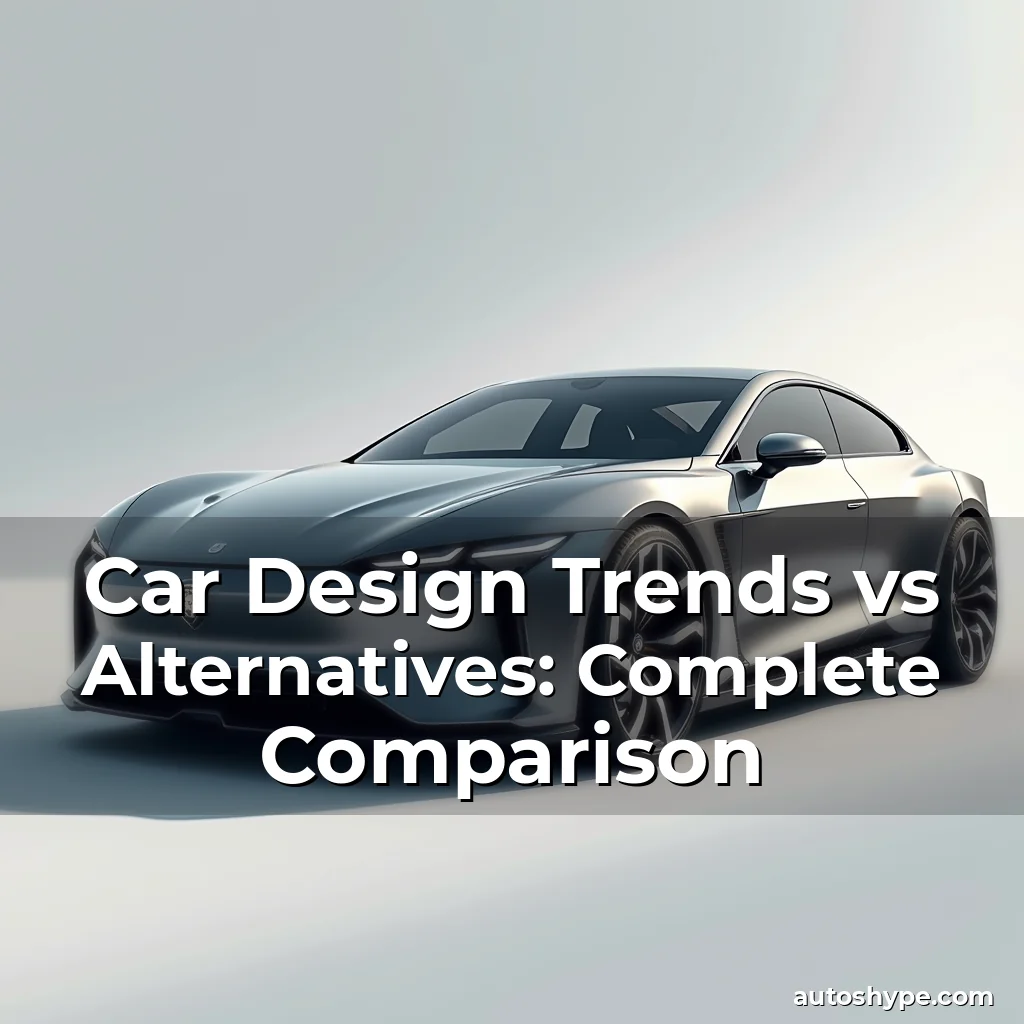
Car Design Trends vs Alternatives: Complete Comparison
The evolution of car design is an ongoing conversation between innovation and tradition, where every curve, line, and material choice tells a story. As we step further into the 2020s, the automotive world is witnessing a fascinating interplay of retro-inspired aesthetics and futuristic technologies that are redefining what vehicles look like today.
This comparison explores how current design philosophies stack up against their alternatives, offering insight into why certain styles dominate while others remain niche choices for those seeking something different from mainstream offerings.
Retro Revival in Modern Automotive Aesthetics
A growing trend among automakers involves reviving classic design elements from past decades, blending them seamlessly with contemporary engineering solutions. This fusion appeals to both longtime enthusiasts who miss vintage charm and newer buyers drawn by nostalgic appeal wrapped in modern convenience.
Vehicles featuring rounded edges reminiscent of ’60s muscle cars now sit side by side with sleek electric sedans powered by cutting-edge battery technology. The contrast highlights a broader industry shift towards embracing heritage without compromising progress.
- Curved Grilles: Many manufacturers have adopted wide, curved grilles inspired by early sports models, creating bold front fascias that stand out at traffic lights and auto shows alike.
- Pillarless Designs: Inspired by convertibles of yore, some SUVs and coupes feature minimal pillars for enhanced visibility and open-air feel, even when the roof remains intact.
These stylistic nods do more than please the eye; they also serve functional purposes such as improving aerodynamics or increasing cabin space through clever interior layout changes.
However, purists argue that true authenticity requires period-correct materials and construction methods rather than superficial homage through paint jobs alone.
Futuristic Silhouettes Redefining Vehicle Shapes
In parallel with the revival of old-world style, designers are pushing boundaries with radical new shapes aimed at optimizing performance and efficiency. These avant-garde forms often challenge conventional notions of what constitutes a safe or practical automobile.
Electric vehicle platforms allow for unconventional body structures free from internal combustion engine constraints. Resulting designs frequently exhibit smooth transitions between sections, eliminating sharp angles found in traditional vehicles.
For instance, Tesla’s Model S Plaid showcases flowing lines that reduce drag significantly compared to boxier counterparts still prevalent across various segments.
Such innovations aren’t limited solely to EVs either; hybrid models increasingly incorporate these streamlined silhouettes to meet rising demands for fuel economy and reduced emissions.
Sustainable Materials Driving Interior Innovations
As environmental concerns grow louder within society at large, so too does pressure upon automakers to adopt greener manufacturing practices. One visible change lies inside cabins where natural fibers replace plastics wherever possible.
Carpets woven from recycled ocean plastics coexist alongside vegan leather upholstery made entirely from plant-based sources. Some brands go further by using biodegradable adhesives during assembly processes.
Notably, Toyota has introduced interiors composed largely of bamboo composites which offer durability comparable to synthetic alternatives but with much lower carbon footprints over time.
While these eco-conscious upgrades come with higher production costs initially, long-term savings from reduced waste disposal fees make them financially viable options for forward-thinking companies.
Consumer acceptance varies widely depending on regional preferences regarding texture, scent, and overall comfort levels associated with each type of sustainable material used.
Digital Integration Transforms Exterior Lighting Language
Lighting systems once relegated purely to functionality are now central components defining brand identity and emotional connection between drivers and their machines. From adaptive headlights capable of adjusting beams based on road conditions to taillights serving dual roles as communication tools between vehicles.
Lexus’ signature spindle grille incorporates LED strips that pulse rhythmically under acceleration, visually reinforcing power output while simultaneously signaling intent to surrounding traffic participants.
Mercedes-Benz employs dynamic turn signals embedded within door mirrors that project light patterns onto pavements ahead—this proactive approach enhances safety by alerting pedestrians sooner than standard indicators ever could.
Interior lighting schemes have similarly evolved beyond simple ambient illumination toward fully customizable environments reflecting personal tastes or mood settings chosen via smartphone apps.
Despite numerous benefits, critics warn against over-reliance on digital features which may distract occupants during critical driving moments if not properly integrated into user interface frameworks designed around human factors principles.
Evolving Wheel Design Reflects Changing Priorities
Wheels represent more than mere mechanical necessities—they’re visual statements expressing owner personality through alloy choices, spoke configurations, and finish treatments applied post-manufacturing stages.
Current trends lean heavily toward multi-spoke forged aluminum wheels emphasizing strength-to-weight ratios crucial for high-performance applications while maintaining aesthetic appeal suitable for everyday use scenarios.
Customization possibilities extend far beyond factory offerings thanks to aftermarket providers specializing in bespoke wheel creations tailored specifically to individual needs ranging from aggressive racing looks down to minimalist urban styles.
Some luxury brands experiment with transparent polymer center caps allowing glimpses into intricate hubcap mechanisms normally hidden beneath traditional covers—an intriguing blend of form meets function.
Yet there remains debate concerning whether extreme customization compromises structural integrity unless executed precisely according to manufacturer specifications governing load distribution requirements.
Adaptive Aerodynamics Becomes Mainstream Feature
Gone are days when fixed spoilers dictated airflow management capabilities; instead, active aerodynamic systems adjust automatically based on speed thresholds or driver inputs received via onboard sensors monitoring real-time conditions.
Volvo XC90 utilizes retractable roof rails combined with deployable rear wings controlled electronically whenever cornering forces exceed predefined limits ensuring optimal stability without sacrificing cargo capacity unnecessarily.
Supercars take things further by incorporating movable flaps along underbody panels redirecting airflows dynamically during acceleration phases thereby minimizing lift generation effectively reducing energy loss due to turbulence effects.
Although effective at enhancing handling characteristics especially noticeable during spirited drives, installation complexity increases maintenance intervals required thus raising ownership expenses over extended periods.
Nevertheless, consumer demand continues growing rapidly indicating strong market potential despite added costs involved in implementing sophisticated control algorithms managing multiple actuators simultaneously.
Mixed-Use Vehicles Challenge Traditional Classification Systems
With lifestyle diversification prompting need for greater versatility from single transport units, automotive designers face mounting challenges reconciling conflicting priorities inherent within multifunctional platforms intended to fulfill varied roles efficiently.
Examples include crossover utility task vehicles combining aspects traditionally reserved separately for station wagons, pickup trucks, and minivans yet failing completely satisfy any category individually due to compromised attributes affecting overall usability ratings negatively.
Japanese automaker Subaru attempts addressing this dilemma through symmetrical all-wheel drive architectures coupled with flat-twin boxer engines providing balanced weight distributions essential for navigating rugged terrain safely amidst daily commutes across cityscapes filled with potholes and unpredictable weather events.
European competitors favor modular approaches enabling easy conversion between passenger-focused layouts versus cargo-oriented setups depending primarily upon customer preference expressed during initial purchase decisions influencing final product configurations accordingly.
Ultimately success hinges upon striking delicate balance between flexibility provided by adaptable interiors versus limitations imposed by rigid chassis structures incapable supporting drastic transformations without requiring extensive modifications potentially voiding warranties prematurely.
Personalized Branding Through Custom Paint Options
Automotive manufacturers recognize importance placed upon exterior appearance contributing substantially toward perceived value judgments formed instantly upon first sight encounters involving prospective buyers evaluating showroom displays critically before making purchasing commitments.
To cater diverse tastes spanning conservative professionals preferring understated elegance through young entrepreneurs desiring attention-grabbing novelty, expansive color palettes accompanied by special edition trims become strategically deployed marketing instruments fostering brand loyalty amongst targeted demographics.
Honda offers exclusive metallic finishes developed exclusively for certain models highlighting technological advancements achieved recently including nano-coatings resistant against scratches caused by minor abrasions encountered regularly outdoors exposed surfaces subjected constant wear-and-tear cycles.
Meanwhile, Porsche distinguishes itself through matte lacquers available only through authorized dealerships guaranteeing premium quality assurance standards maintained consistently regardless location differences impacting local service centers’ ability replicate exact same results reliably.
Though appealing aesthetically, customized coatings require specialized equipment leading inevitably increased repair costs whenever damage occurs necessitating replacement parts sourced specifically from original suppliers rather than generic substitutes readily accessible elsewhere inexpensively.
Conclusion
From resurrected classics infused with modern flair to radically reimagined future visions taking shape behind closed doors at research facilities worldwide, car design trends reflect continuously evolving relationship between form follows function doctrine established centuries ago and emerging realities demanding adaptation constantly.
Whether opting for nostalgia-laden exteriors adorned meticulously crafted chrome accents echoing golden age styling cues or embracing ultra-sleek profiles optimized purely for aerodynamic gains achieved through computational fluid dynamics simulations run extensively prior model launches, consumers hold ultimate authority shaping directions taken next decade ahead through collective buying behaviors exhibited openly publicly observable markets everywhere globally.

news is a contributor at AutosHype. We are committed to providing well-researched, accurate, and valuable content to our readers.