Autonomous Vehicles for Small Spaces
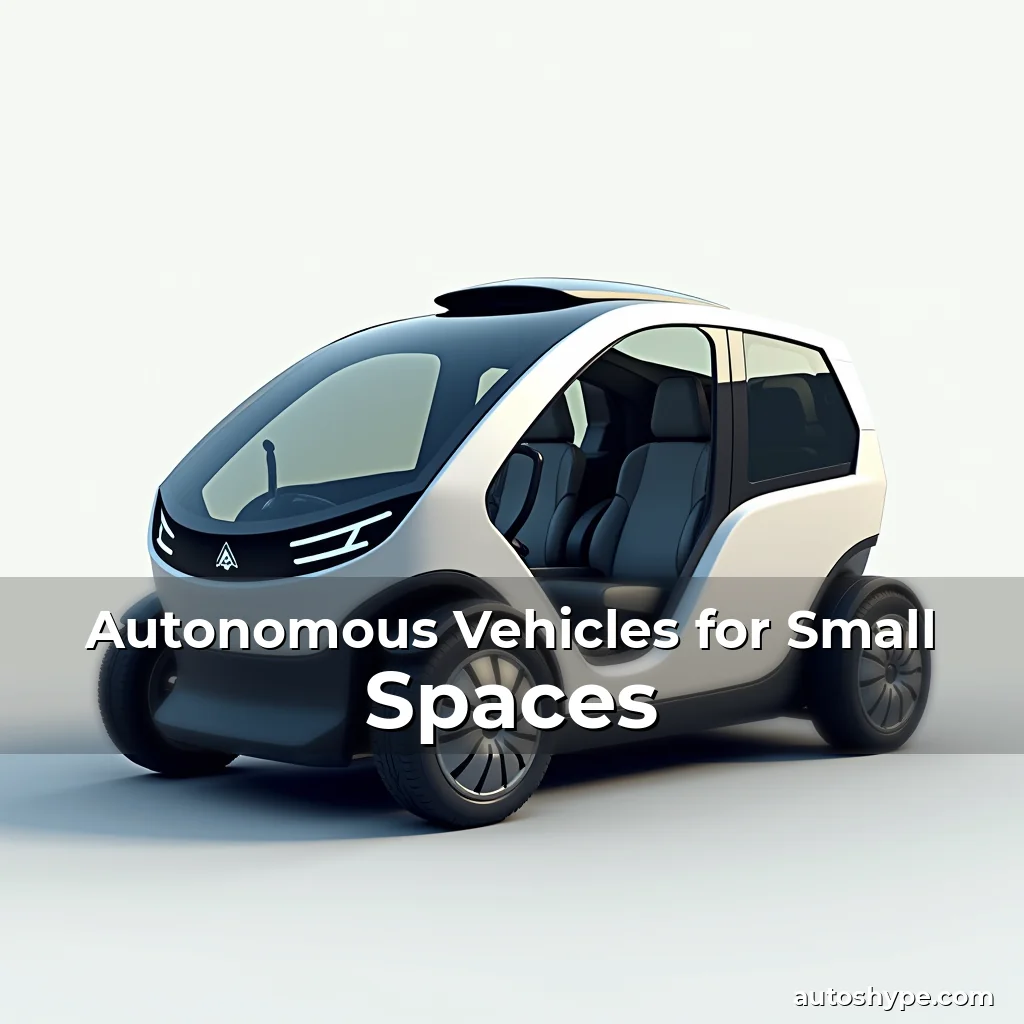
The Future of Driving: Exploring Autonomous Vehicle Technology
In an era where technology evolves at lightning speed, autonomous vehicles stand as one of the most groundbreaking innovations reshaping transportation. These self-driving machines promise not only convenience but also significant improvements in safety and efficiency.
For automotive enthusiasts and everyday drivers alike, understanding how these advanced systems work is crucial. This guide delves deep into the world of autonomous cars, exploring their development, current capabilities, challenges faced by developers, and what lies ahead in this rapidly changing landscape.
What Exactly Are Autonomous Vehicles?
An autonomous vehicle refers to any motorized transport that can operate without human intervention through sophisticated software algorithms and sensor arrays.
These vehicles utilize various technologies such as radar, lidar, GPS, and machine learning models to navigate roads safely while avoiding obstacles autonomously.
- Sensors: Provide real-time data about surrounding environments including other vehicles, pedestrians, traffic signs, etc.
- Machine Learning Algorithms: Enable continuous improvement over time based on vast amounts of driving experience collected from millions of miles driven worldwide.
Vehicles are classified under different levels according to SAE International standards ranging from Level 0 (no automation) up to Level 5 (full autonomy). Understanding these classifications helps clarify exactly what features you might expect when encountering self-driving cars today.
Currently available models mostly fall within Levels 2 or 3, offering partial automation assistance rather than complete independence from driver input during operation periods.
History & Development Timeline Of Self-Driving Cars
The concept of self-driving automobiles dates back much further than many realize; early experiments began appearing around the mid-twentieth century.
In 1980s research initiatives led by DARPA aimed towards creating unmanned ground vehicles capable of navigating complex terrains independently—an endeavor which laid foundational groundwork for modern autonomous systems we see now.
A decade later saw advancements made possible thanks largely due to increased computing power combined with better mapping techniques allowing greater precision in navigation tasks performed automatically by computers instead of humans.
Towards late ’90s companies started investing heavily into R&D focusing specifically on consumer-ready applications thus marking beginning stages toward commercialization efforts currently underway globally across several continents.
Recent years have witnessed exponential growth fueled partly by breakthroughs related artificial intelligence especially neural networks used extensively within perception modules responsible detecting objects accurately even under adverse weather conditions.
This evolution reflects ongoing commitment industry leaders showing willingness embrace disruptive changes despite numerous hurdles still needing overcome before widespread adoption becomes reality anytime soon.
Current Capabilities And Limitations
Despite impressive progress achieved so far there remain notable limitations restricting full deployment capabilities across entire road networks worldwide.
Main issues include unpredictable behavior exhibited by non-autonomous entities like cyclists or animals suddenly entering lanes unpredictably challenging system responses accordingly.
Additionally extreme weather scenarios pose considerable difficulties affecting reliability sensors rely upon visual cues often obscured visibility making accurate decision-making harder compared normal operating conditions.
Regulatory frameworks vary significantly between jurisdictions adding another layer complexity requiring manufacturers adapt solutions tailored local requirements wherever they intend sell products internationally.
Even though many believe future holds great potential ultimately success depends overcoming aforementioned barriers successfully alongside ensuring public trust remains high enough support necessary policy changes enabling broader implementation.
Technological Components Powering Autonomy
To achieve true independence from manual control mechanisms inherent traditional vehicular designs require integration multitude cutting-edge components working harmoniously together.
At heart every functioning unit resides powerful onboard computer processing massive volumes information received continuously streamed incoming feeds captured via diverse sensing equipment installed strategically throughout exterior bodywork areas.
Such hardware configurations typically consist combination cameras mounted front/rear sides providing panoramic views augmented additional specialized devices designed detect depth measurements essential precise spatial awareness calculations required safe maneuvers executed reliably consistently regardless external factors influencing environment dynamically shifting constantly.
Coupled sophisticated software architectures employing deep learning methodologies enable rapid identification classification patterns observed surroundings facilitating effective response strategies applicable varied situations encountered daily commutes urban settings particularly congested zones.
Together these elements form backbone technological infrastructure supporting realization vision fully automated mobility solutions becoming commonplace near horizon provided continued investment sustained innovation directed correct priorities aligned long-term goals sustainability accessibility improved overall quality life experienced users benefitting directly enhanced travel experiences offered novel modes transport emerging marketplaces eager adopt new paradigms redefining conventional expectations associated ownership usage personal conveyances traditionally perceived purely utilitarian purposes alone.
Potential Benefits For Society At Large
If implemented effectively could revolutionize way people interact move around cities transforming commuting routines drastically reducing stress levels previously associated lengthy journeys endured frequently daily schedules.
Reduction accidents caused human error would represent substantial decrease fatalities injuries suffered annually resulting crashes attributed primarily distractions fatigue impaired judgment behind wheels—factors contributing majority incidents recorded yearly global scale.
Furthermore optimized routing algorithms employed smart systems ensure minimal congestion thereby decreasing average commute times enjoyed residents benefiting efficient flow traffic managed intelligently utilizing predictive analytics forecasting demand fluctuations adjusting routes accordingly proactively preventing bottlenecks forming unexpectedly disrupting smooth operations maintained otherwise.
Moreover environmental impact minimized considerably due reduced idling periods coupled optimal fuel consumption rates achieved through intelligent energy management protocols integrated seamlessly within core functionalities governing propulsion units powered electric hybrid alternatives increasingly favored environmentally conscious consumers seeking sustainable options aligning values ecological responsibility economic prudence simultaneously.
Lastly provision services enabled autonomous platforms accessible individuals unable drive themselves elderly disabled persons enjoying newfound freedom mobility hitherto restricted physical constraints limiting participation societal activities formerly exclusive able-bodied members communities now inclusive open wider demographic groups experiencing positive change ripple effect enhancing social cohesion promoting equitable access resources opportunities everyone irrespective abilities backgrounds.
Challenges Facing Widespread Adoption
While benefits undeniable myriad obstacles must addressed surmounting hurdles impeding seamless transition existing transportation ecosystem entirely reliant human operators transitioning smoothly digital counterparts capable executing similar functions reliably consistently.
Ethical dilemmas concerning moral decisions programmed handle emergencies present profound philosophical questions demanding careful consideration regarding programming ethics determining appropriate actions taken circumstances involving unavoidable harm trade-offs inevitable certain scenarios arising inevitably whenever operating environments contain unpredictable variables beyond control parameters defined initially developed algorithms.
Legal responsibilities assigned liability cases occurring collisions caused either malfunctioning apparatuses erroneous judgments rendered autonomous agents raise contentious debates among lawmakers attorneys insurance providers attempting establish clear guidelines delineating accountability boundaries distinguishing whether fault rests solely machine operator whose oversight neglected adequately safeguarding against potential risks associated reliance automated processes devoid human intuition judgment call situations necessitating nuanced evaluation multifaceted considerations exceeding basic rule-based logic structures commonly utilized contemporary implementations.
Public acceptance remains critical factor influencing pace advancement; skepticism reluctance persisting due fears malfunctions hacking vulnerabilities exploited malicious actors compromising security integrity systems potentially endangering lives threatening privacy rights violated unauthorized access sensitive data stored onboard units vulnerable exploitation absent robust encryption measures sufficiently securing communications channels utilized transmitting receiving information vital operational continuity maintaining functionality uninterrupted amidst evolving cyber threats continually adapting tactics exploit weaknesses identified periodically discovered researchers penetration testers conducting routine audits assessing susceptibility breach attempts preemptively strengthening defenses reinforcing resilience network architecture protecting assets entrusted care protection paramount importance ensuring trust upheld maintained consistently throughout lifecycle engagement stakeholders involved process integrating innovative solutions addressing concerns raised apprehensive segments population hesitant embracing unfamiliar technologies lacking sufficient familiarity understanding underlying principles guiding design philosophy pursued pioneers field.
Finally technical complexities remain unresolved requiring further refinement improving accuracy reliability sensors tasked interpreting dynamic scenes unfolding real-time environment necessitating continual calibration adjustments fine-tuning parameters optimizing performance metrics evaluated regularly benchmarking progress milestones attained incrementally advancing capabilities gradually approaching ultimate goal total autonomy achievable theoretical framework established rigorous testing validated thoroughly prior deployment commencement phases initiated cautiously carefully planned executed meticulously adhering strict compliance regulations governing industries concerned safety assurance paramount concern prioritizing prevention mitigation adverse outcomes arising unforeseen complications encountered implementation stages monitored closely adjusted iteratively until satisfactory results obtained confirming readiness transition full-scale utilization commenced confidently assuredly.
Future Outlook And Innovations On The Horizon
Looking forward next few decades anticipate witnessing remarkable transformations redefine nature interaction vehicles passengers environments traversed daily lives.
Advancements artificial intelligence expected enhance situational awareness dramatically increasing confidence level systems managing complex scenarios requiring split-second decisions executed flawlessly without hesitation uncertainty characterizing human reaction times inherently slower comparative computational processing speeds afforded electronic circuits dedicated handling such tasks efficiently swiftly.
Integration quantum computing promising unlock unprecedented capacity analyze enormous datasets generated minute-to-minute interactions occurring within dense metropolitan regions containing countless moving parts interacting simultaneously creating chaotic conditions difficult predict manage using classical methods alone incapable capturing nuances subtle variations present reality demanding holistic approach considering interdependencies relationships existing between seemingly disparate elements composing intricate web connections forming basis functional ecosystems thriving upon delicate balance maintained ceaselessly monitored regulated actively maintained equilibrium state perpetual motion.
Emerging trends suggest shift focus mobility solutions emphasizing shared ownership models leveraging ride-hailing services expanding accessibility affordability eliminating need individual possession private automobiles altogether replacing them fleet-based alternatives operated remotely centrally controlled hubs dispatching units according demand locations determined algorithmically minimizing waste maximizing utility achieving optimal resource allocation distributing burdens equitably amongst populace ensuring nobody left stranded deprived means transport regardless location socioeconomic status.
Moreover developments autonomous delivery drones aerial counterparts poised complement terrestrial networks creating multi-dimensional logistics infrastructure capable delivering goods directly destinations bypassing traditional ground-based distribution channels constrained geographical limitations imposed topography terrain impediments hampering movement bulky cargo items requiring specialized handling procedures normally associated conventional freight shipping operations conducted manually labor-intensive manner prone errors inefficiencies costly delays disrupting supply chains critically dependent timely arrivals maintaining inventory balances stocked appropriately meeting fluctuating demands dictated seasonal variations consumer preferences shifting rapidly influenced digital marketing campaigns targeted demographics segments exhibiting distinct purchasing behaviors shaped cultural norms regional differences impacting product availability selection variety presented offerings catalogues curated reflect localized tastes preferences.
As these innovations unfold will become increasingly evident necessity collaborate cross-disciplinary teams comprising engineers scientists policymakers educators entrepreneurs investors united common purpose shaping tomorrow’s transportation landscape thoughtfully responsibly ensuring equity inclusivity sustainability central tenets guiding decisions made along journey transformation occurring right moment history.
Conclusion
The trajectory autonomous vehicle technology undeniably points toward future where driving becomes less about controlling machine more about being transported securely comfortably efficiently wherever desired destination located.
Though roadblocks exist formidable nonetheless momentum building steadily pushing boundaries once deemed impossible dreams turned realities through relentless pursuit knowledge application thereof practical implementations demonstrating viability scalability potential transformative effects society whole.
By staying informed engaged proactive participants shaping discourse surrounding ethical legal technical dimensions discussion ongoing regarding emergence autonomous systems can contribute meaningful ways helping forge path forward balanced thoughtful approach ensuring prosperity well-being preserved protected amid exhilarating changes coming undoubtedly.
Whether enthusiast curious observer owner contemplating upgrading existing fleet newest marvels engineering realm worth keeping eye upcoming advancements poised reshape world forevermore.