
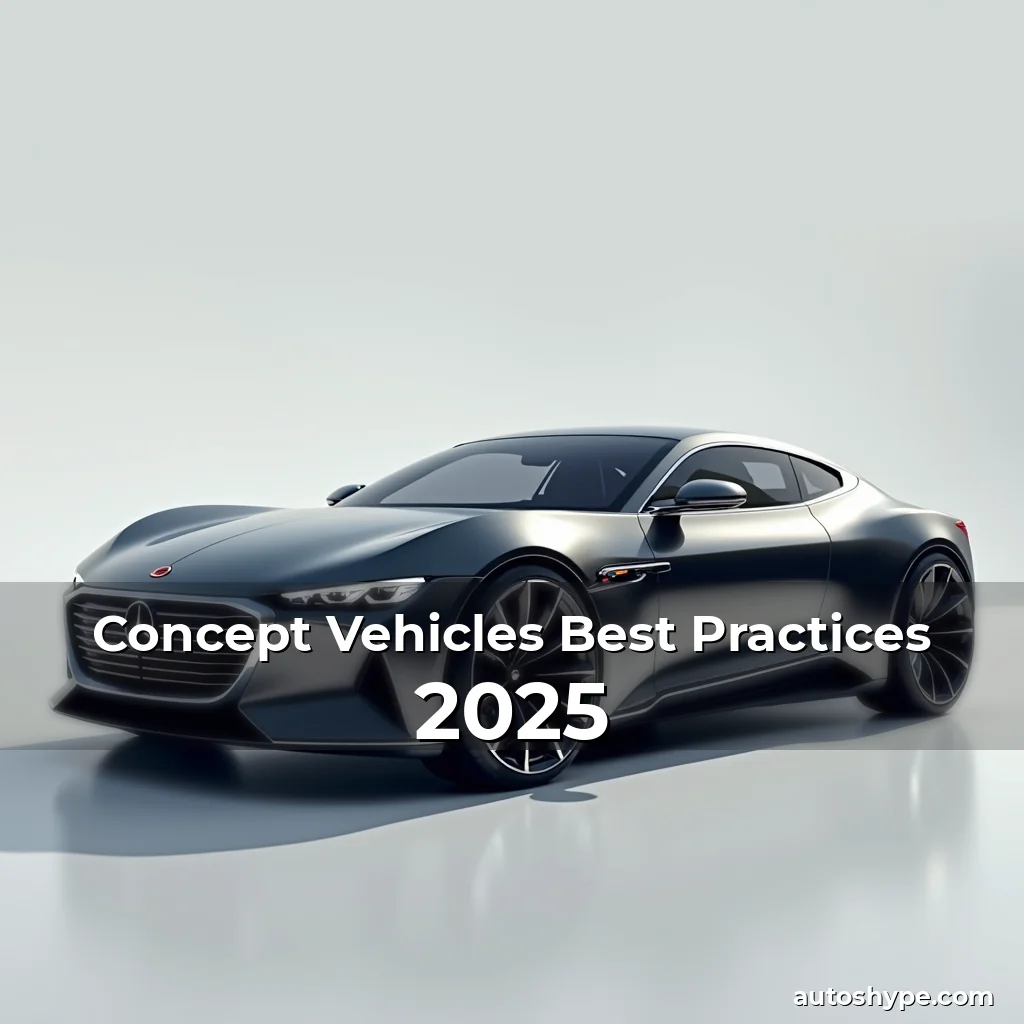
Revolutionizing Mobility: A Deep Dive Into Concept Vehicle Innovations for 2025
In an era where automotive technology is evolving at breakneck speed, concept vehicles have emerged as both a canvas for innovation and a glimpse into the future of transportation. These prototypes are not merely designs waiting in the shadows of production models—they represent bold visions that challenge conventional boundaries, pushing the envelope of what’s possible on our roads and beyond.
The significance of concept vehicles extends far beyond their aesthetic appeal; they serve as critical testing grounds for emerging technologies, sustainable practices, and user-centric design philosophies. As we step further into 2025, these experimental machines promise to redefine how we interact with automobiles, making them smarter, greener, and more integrated with our digital lives than ever before.
Pioneering Technologies in Concept Vehicles
At the heart of every groundbreaking concept vehicle lies a suite of pioneering technologies designed to revolutionize performance, safety, and efficiency. From advanced propulsion systems to cutting-edge connectivity features, these innovations set the stage for a new generation of automobiles that prioritize sustainability without compromising power.
One such breakthrough is the integration of hydrogen fuel cell technology, which offers zero-emission driving while maintaining the range and refueling convenience comparable to traditional gasoline-powered cars. This shift towards cleaner energy sources marks a pivotal moment in the quest for environmentally responsible transportation solutions.
- Harnessing Renewable Energy: Many concept vehicles now incorporate solar panels and regenerative braking systems that convert kinetic energy back into electrical energy, significantly enhancing overall efficiency.
- Autonomous Driving Capabilities: With Level 4 autonomous driving becoming increasingly feasible, concept vehicles showcase self-driving algorithms capable of navigating complex urban environments safely and efficiently.
Additionally, advancements in artificial intelligence enable these vehicles to learn driver behavior patterns and adapt accordingly, creating personalized experiences tailored to individual preferences and needs.
These technological strides do not exist in isolation but rather form part of a broader ecosystem aimed at redefining mobility through enhanced functionality and environmental responsibility.
Sustainable Design Principles in Modern Concept Cars
Sustainability has become a cornerstone of modern concept vehicle development, guiding designers toward materials and manufacturing processes that minimize ecological impact without sacrificing quality or aesthetics. This commitment reflects growing consumer demand for eco-conscious products across various industries, including automotive.
Designers are increasingly turning to recycled plastics, plant-based composites, and bio-derived fabrics that reduce reliance on non-renewable resources. Such choices not only lower carbon footprints during production but also contribute to circular economy principles by ensuring components can be repurposed or decommissioned responsibly post-use.
Eco-Friendly Materials Revolutionizing Automotive Manufacturing
A prime example of this trend is the use of mycelium-based leather alternatives derived from mushroom roots, offering biodegradable options that rival traditional animal hides in durability and texture. Companies experimenting with such materials report significant reductions in water usage and chemical emissions compared to conventional tanning methods.
Moreover, innovative adhesives made from natural resins allow manufacturers to assemble parts without resorting to volatile organic compounds typically associated with synthetic glues, thereby improving indoor air quality within vehicles after assembly.
This shift towards green material sourcing aligns seamlessly with global initiatives promoting resource conservation and waste reduction, reinforcing the industry’s role in combating climate change through mindful consumption habits.
By prioritizing sustainability from inception to finish line, automakers demonstrate leadership in addressing pressing environmental challenges head-on—an approach resonating strongly among today’s environmentally aware consumers.
Future of Urban Mobility Through Concept Vehicles
As cities expand and populations grow, the need for efficient urban mobility solutions becomes paramount. Concept vehicles play a crucial role in shaping this landscape by introducing ideas that could alleviate traffic congestion, enhance public transit accessibility, and promote multi-modal travel options.
Visionary concepts include modular electric scooters that detach from parent vehicles for last-mile connectivity, enabling seamless transitions between different modes of transport. Additionally, micro-mobility platforms embedded within larger vehicles provide flexible access points allowing users to navigate crowded city streets effortlessly.
Redefining Cityscapes with Smart Transportation Solutions
Data-driven approaches underpin many smart city projects aiming to optimize traffic flow using real-time analytics powered by IoT devices installed in infrastructure elements like streetlights and roadways themselves. Concept vehicles often feature onboard sensors contributing vital information to centralized management systems tasked with predicting bottlenecks ahead of time.
Such predictive capabilities empower authorities to implement dynamic lane adjustments or reroute buses automatically based on current conditions, ultimately reducing average commute times substantially over traditional fixed schedules.
Furthermore, shared autonomous ride services represented by futuristic concept minivans offer potential relief from parking scarcity issues plaguing densely populated areas worldwide. By eliminating dedicated parking spaces required for personal ownership models, these services free up land currently devoted solely to static storage purposes.
Collectively, these developments signal a paradigm shift away from single occupancy vehicles toward collaborative networks maximizing space utilization while minimizing environmental degradation caused by excessive vehicular presence in urban centers.
Advanced Safety Features Embedded Within Concept Designs
Ensuring occupant safety remains a top priority even amidst rapid technological evolution within concept vehicle development programs. Manufacturers invest heavily in research focused on developing proactive safety measures that go well beyond passive restraint systems found in standard offerings.
Innovative crash avoidance technologies utilizing LiDAR mapping combined with machine learning algorithms enable early detection hazards potentially unseen by human drivers—such as pedestrians suddenly entering crosswalks or cyclists swerving unexpectedly around corners.
Beyond Traditional Crash Test Protocols
Some forward-thinking models employ biomechanical simulation software capable of forecasting injury risk levels accurately prior to actual collisions occurring, thus informing better structural reinforcement strategies across various body frames depending upon intended use cases.
Also notable are adaptive cruise control enhancements featuring surround view cameras integrated with pedestrian recognition alerts providing additional layers protection particularly beneficial when maneuvering near school zones or residential neighborhoods frequented daily by vulnerable road users.
This heightened emphasis on predictive analytics facilitates quicker response times whenever unexpected scenarios arise—whether it involves sudden brake failure incidents requiring emergency deployment protocols or adverse weather events necessitating immediate traction control interventions.
Through continuous refinement of these protective mechanisms, concept vehicles pave pathways leading towards fully automated safety ecosystems wherein occupants enjoy unparalleled security regardless of external circumstances encountered during journeys.
User Experience Enhancements Shaping Tomorrow’s Automobile Interiors
Interior comfort and usability have undergone transformative changes thanks largely due to concept vehicles showcasing immersive experiences previously unimaginable within standard passenger compartments. These innovations cater specifically towards fulfilling diverse lifestyle requirements spanning work productivity demands through leisure relaxation pursuits alike.
Integrated augmented reality displays project interactive navigation overlays onto windshields or side windows transforming ordinary glass surfaces into informative interfaces guiding passengers along optimal routes considering factors like construction delays affecting usual paths taken regularly.
Personalized climate controls adjust cabin temperatures dynamically according to physiological indicators monitored via discreet biosensors placed strategically throughout seating arrangements—ensuring everyone aboard maintains ideal thermal equilibrium irrespective seasonal variations outside.
Seamless Integration Between Physical And Digital Realms
Fully voice-controlled infotainment suites eliminate physical button clutter traditionally dominating dashboards while simultaneously supporting gesture recognition commands enabling hands-free operation essential during high-speed driving situations requiring full visual attention elsewhere.
Customizable ambient lighting schemes synchronize mood settings chosen manually by occupants adjusting hues intensities rhythmically matching music playlists playing inside cabins—creating atmospheres conducive either intense concentration periods needing mental clarity restoration following long meetings sessions held remotely through built-in video conferencing facilities available anytime anywhere.
Even ergonomics receive thoughtful consideration through adjustable seat configurations accommodating varying body types comfortably whether traveling solo versus transporting families frequently—highlighting inclusive design philosophy embraced wholeheartedly throughout contemporary concept vehicle engineering efforts globally.
Together these improvements illustrate profound understanding regarding holistic wellbeing aspects influencing perceptions about value proposition offered by next-gen automobile interiors crafted meticulously with end-users’ needs always forefront considerations guiding creative decisions impacting final product outcomes significantly.
Global Collaboration Fueling Innovation In Concept Vehicle Development
Creating revolutionary concept vehicles requires extensive collaboration among international teams comprising engineers specializing in robotics automation experts focusing AI ethics scholars exploring societal implications arising from widespread adoption autonomous systems plus regulatory bodies establishing framework guidelines governing safe implementation procedures applicable universally.
Cross-border partnerships facilitate knowledge exchange accelerating pace discoveries benefiting entire planet collectively—especially concerning tackling climate crisis effectively leveraging technological advances pursued relentlessly since beginning millennium.
Cultural Exchange Inspiring Unique Design Philosophies Worldwide
Diverse cultural backgrounds influence aesthetic sensibilities reflected visibly exterior forms adopted by respective nationalities manifesting distinct identities yet harmoniously coexisting within same industry sector competing fiercely against each other annually prestigious awards ceremonies celebrating most outstanding achievements recognized officially yearly.
For instance Japanese manufacturers emphasize minimalism elegance contrasting sharply European counterparts favoring robustness strength evident classic coachwork styles preserved faithfully despite incorporating latest materials techniques improving resilience against harsh climates experienced frequently northern regions continent.
Meanwhile American firms continue championing bold expressions seen muscular lines aggressive front grilles underscoring performance oriented ethos prevailing domestic market driven primarily sport enthusiasts seeking thrilling driving experiences unmatched elsewhere globe except perhaps motorsports circuits hosting professional racing events attracting millions spectators annually.
This rich tapestry interwoven multicultural influences underscores importance fostering open dialogue promoting mutual respect understanding amongst stakeholders involved shaping tomorrow’s automotive landscapes successfully bridging gaps existing currently disparate ideologies sometimes conflicting seemingly irreconcilable perspectives occasionally.
Challenges Facing Concept Vehicle Implementation
Despite remarkable progress achieved so far envisioning futuristic transportation paradigms embodied within concept vehicles still face considerable hurdles preventing direct transition mass-market availability overnight. Chief obstacles include regulatory compliance costs exceeding budgets allocated initial phases exploration stages limiting scope experimentation constrained strictly theoretical domains devoid practical applications.
Manufacturers must navigate intricate web legislation governing everything ranging emissions standards safety certifications cybersecurity protocols—all requiring substantial investment upfront before any prototype deemed eligible commercialization approval process commences officially.
Navigating Financial Constraints During Research Phases
Limited funding sources available startups independent developers pose significant barriers entry especially smaller entities lacking financial backing necessary scale operations sustainably over extended durations required achieving tangible results worth pursuing further development trajectories.
Conversely established corporations benefit privileged positions enjoying access capital reserves facilitating ambitious R&D endeavors undertaken freely without undue pressure deliver immediate returns shareholders impatiently awaiting dividends generated quarterly reports published publicly accessible online portals maintained continuously updated regularly.
This disparity creates uneven playing field disadvantaging innovators whose disruptive ideas might otherwise transform industry dramatically were given fair opportunity compete fairly against entrenched incumbents resistant change threatening legacy business models reliant outdated methodologies incapable adapting swiftly rapidly changing technological landscapes.
To address inequity stemming unequal distribution resources across players participating race innovation competition, governments organizations must collaborate implementing policies incentivizing investment ventures promising breakthroughs poised disrupt status quo fundamentally altering transportation paradigms permanently once deployed widely across population segments affected directly indirectly.
Consumer Perception and Market Readiness for Concept Vehicles
Public perception plays a crucial role determining success rate conversion rates translating conceptual blueprints actual products reaching showroom floors ready purchase decisions made customers eagerly anticipating novel functionalities promised initially launched teaser campaigns generating buzz social media channels influencing wider demographics previously indifferent segment sizes expanding gradually increasing visibility overall.
Marketing strategies employed vary considerably depending target audiences selected—for instance luxury brands focusing exclusivity prestige emphasizing craftsmanship heritage appealing affluent clientele whereas budget-friendly options targeting mainstream buyers highlighting affordability reliability ease maintenance tasks performed routinely throughout lifetimes owning respective models.
Building Trust Through Transparency and Education
Transparency regarding technical specifications limitations inherent developmental stages helps manage expectations realistically avoiding disappointment arises unrealistic promises unmet later upon release dates announced prematurely causing confusion uncertainty surrounding true capabilities delivered finally.
Comprehensive educational initiatives explaining underlying science behind innovations featured prominently marketing collateral assist demystifying complexities making abstract notions concrete understandable laypersons unfamiliar jargon terminology commonly used specialists fields unrelated everyday conversations conducted casually informal gatherings friends family members discussing recent news stories circulating headlines daily newspapers websites browsed habitually checking updates hourly basis.
Interactive virtual showrooms hosted digitally accessible remote locations worldwide eliminate geographical restrictions enabling global participation viewing demonstrations experiencing firsthand sensations simulated environments replicating real-world interactions precisely mimicking authentic feel touch textures materials utilized constructing exteriors interiors showcased virtually three-dimensional renderings accompanied audio descriptions narrated professionally guided tours conducted live-streamed events streamed simultaneously across multiple platforms concurrently.
Such multifaceted engagement tactics foster deeper connections cultivating loyal fanbases eager support ongoing projects financially emotionally invested outcomes achieved successfully overcoming obstacles faced during journey bringing dreams realities sooner rather later than expected originally projected timelines indicated initially proposed roadmap outlining milestones accomplished progressively measured periodically evaluated consistently adjusted accordingly evolving priorities shifting market dynamics.
Conclusion
Concept vehicles stand as testaments to human ingenuity, embodying the relentless pursuit of innovation that defines the automotive industry. They encapsulate not just technological marvels but also visionary ideals aimed at reshaping how we perceive and utilize transportation in our daily lives.
With each iteration, these experimental models push boundaries further, challenging us to reconsider traditional norms and embrace possibilities hitherto deemed improbable or fantastical. Their existence ignites passion among enthusiasts who recognize that every curve, line, and function holds significance in charting a course toward a brighter, more connected future.

news is a contributor at AutosHype. We are committed to providing well-researched, accurate, and valuable content to our readers.