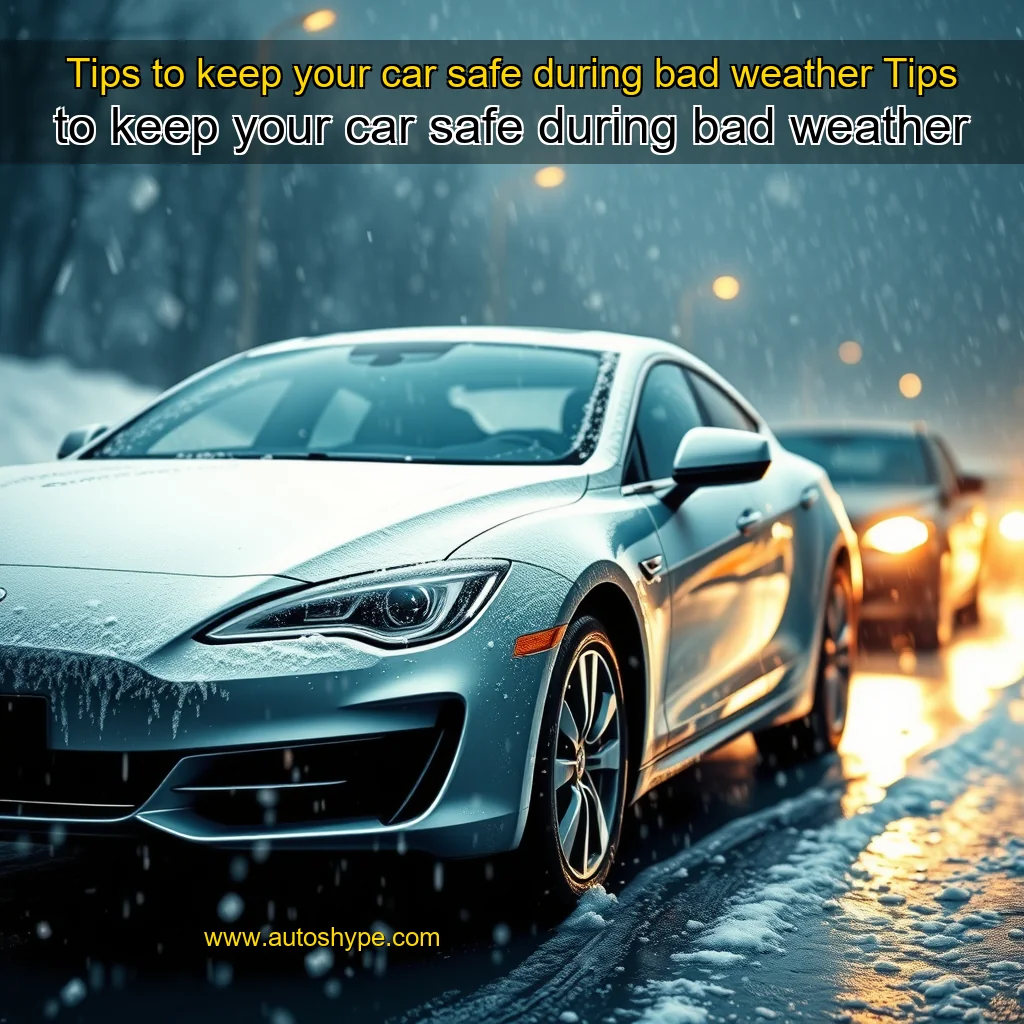
Get Ready for the Storm, Stay Safe on the Roads, and Be Prepared for Emergencies.
Preparing Your Vehicle for the Storm
As the storm approaches, it’s crucial to ensure your vehicle is in good condition to withstand the harsh weather conditions. Here are some essential checks to perform:
Check the condition of your tires: Make sure they have sufficient tread depth and are properly inflated. Inspect your vehicle’s lights and signals: Ensure all lights, including headlights, taillights, and brake lights, are functioning correctly. Check your vehicle’s fluids: Verify that your engine oil, coolant, and brake fluid levels are at the recommended levels. Test your vehicle’s battery: Ensure it’s in good condition and can hold a charge. ## Staying Safe on the Roads
Staying Safe on the Roads
The storm is expected to bring heavy rain and strong winds, which can make driving conditions hazardous. Here are some tips to help you stay safe on the roads:
Slow down: Reduce your speed to match the road conditions, and leave plenty of space between you and other vehicles. Use low gear: If you’re driving a manual transmission vehicle, use low gear to maintain control on slippery roads. Avoid flooded areas: If you encounter flooded roads, turn around and find an alternative route. Keep an emergency kit in your vehicle: In case you become stranded, keep a kit with essentials like food, water, and a first aid kit. ## Alternative Routes and Emergency Preparations
Alternative Routes and Emergency Preparations
In the event of flooding or other road closures, it’s essential to have alternative routes planned. Here are some tips to help you prepare:
Plan your route in advance: Research alternative routes and keep them handy in case of emergencies. Keep a map or GPS device: In case your phone’s GPS is unavailable, keep a physical map or GPS device handy.
Preparing Your Car for Flooding
Before the storm hits, take the following steps to prepare your car for potential flooding:
Inspect your car’s electrical system, including the battery, alternator, and wiring. Make sure all connections are secure and not damaged. Check your car’s fuel system, including the fuel tank, fuel pump, and fuel lines. Make sure the fuel tank is full and the fuel pump is functioning properly. Check your car’s brakes and suspension systems. Make sure all brake pads and rotors are in good condition, and the suspension is properly lubricated. Check your car’s tires and wheels. Make sure the tires are properly inflated and the wheels are securely attached. ## Staying Safe During Flooding
Staying Safe During Flooding
If your car becomes submerged in water, follow these steps to stay safe:
Turn off the engine and engage the parking brake. Do not attempt to start the engine or try to drive the car. If you are in a life-threatening situation, call emergency services immediately. If you are in a safe location, wait for the water to recede before attempting to exit the vehicle. ## After the Storm
After the Storm
After the storm has passed, follow these steps to inspect your car and ensure it is safe to drive:
Check the car’s electrical system to ensure it is functioning properly. Check the car’s fuel system to ensure it is functioning properly. Check the car’s brakes and suspension systems to ensure they are functioning properly.
Preparing Your Vehicle for Winter
As the weather starts to get colder, it’s essential to prepare your vehicle for the winter months ahead. A well-maintained vehicle is not only safer but also more reliable during the harsh winter conditions.
Checking the Essentials
Windscreen wipers: Ensure they are in good condition and can clear snow and ice effectively. Lights: Check that all lights, including headlights, taillights, and brake lights, are functioning properly. Tyres: Make sure they have sufficient tread depth and are properly inflated. ### Additional Preparations*
Additional Preparations
Battery: Check the battery’s condition and charge level. Consider having it tested if you’re unsure. Belts and hoses: Inspect the condition of your vehicle’s belts and hoses, and replace them if necessary.
Preparing for the Worst-Case Scenario
When a severe storm hits, it’s essential to be prepared for the worst-case scenario. This includes having a plan in place, knowing what to do in case of damage, and taking steps to minimize the risk of damage to your vehicle.
news
news is a contributor at AutosHype. We are committed to providing well-researched, accurate, and valuable content to our readers.