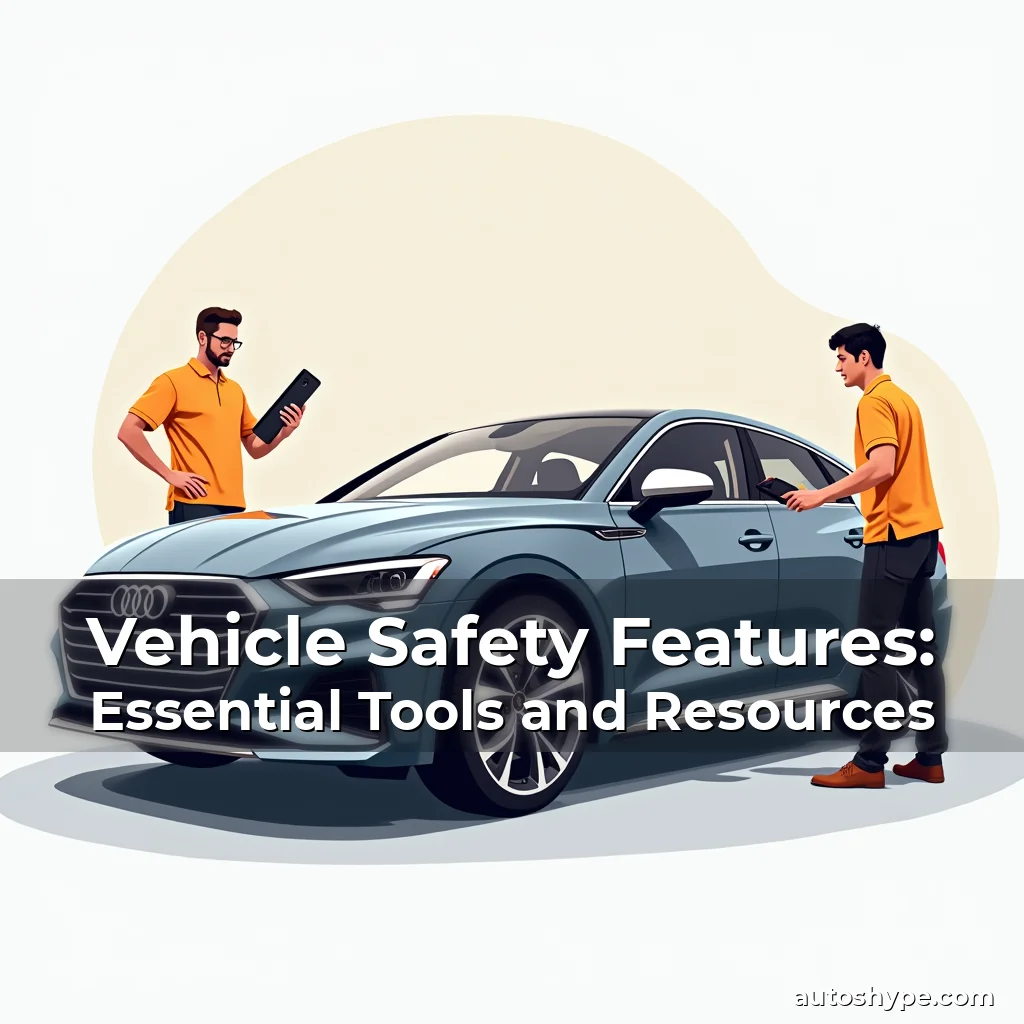
Vehicle Safety Features: Essential Tools and Resources
In an era where automotive technology is evolving at lightning speed, vehicle safety features have become more than just basic necessities—they are vital components that define modern driving experiences. From cutting-edge driver-assistance systems to fundamental mechanical safeguards, understanding these technologies can empower drivers to make informed decisions when purchasing or maintaining their vehicles.
The landscape of vehicular safety has transformed dramatically over recent decades. What was once limited to seat belts and airbags now includes advanced sensors, AI-driven algorithms, and real-time monitoring systems designed to anticipate hazards before they occur. This evolution reflects not only advancements in engineering but also growing awareness among consumers about the importance of proactive safety measures.
Understanding the Evolution of Vehicle Safety Technology
Modern vehicle safety begins with foundational elements such as crash-test ratings, structural integrity, and passive restraint systems. These core aspects form the backbone of any safe automobile, ensuring that occupants remain protected during collisions regardless of the severity or nature of impact.
Crash-test ratings from organizations like IIHS (Insurance Institute for Highway Safety) provide invaluable insight into how well a vehicle can withstand different types of impacts. A high rating signifies superior construction materials, reinforced frames, and optimized energy absorption strategies across critical zones like the front and sides of the vehicle.
Structural integrity goes beyond mere metal thickness; it involves strategic placement of crumple zones designed to absorb kinetic force while preserving cabin space. Engineers use computer simulations and physical testing to determine optimal material distribution for maximum occupant protection without compromising agility or fuel efficiency.
PASSIVE RESTRAINT SYSTEMS include both seat belts and airbag deployment mechanisms. Seat belts function by restraining occupants securely within their seats through pretensioners—mechanisms that automatically tighten harnesses upon detecting sudden deceleration or collision impact.
Airbags serve as secondary barriers against direct contact with hard surfaces inside the vehicle. Modern cars often feature multi-stage inflation capabilities depending on factors like impact velocity, seating position, and passenger weight to ensure optimal cushioning without causing injury due to excessive pressure buildup.
- Seat Belts: The first line of defense against ejection during accidents. Three-point designs distribute forces across stronger body parts rather than fragile areas like the neck or abdomen.
- Airbags: Provide additional padding for head and chest areas during frontal crashes. Some models offer side-curtain bags providing coverage even after initial impact occurs.
Advanced Driver Assistance Systems (ADAS): Your Co-Pilot on Wheels
As technological innovation continues pushing boundaries, Advanced Driver Assistance Systems (ADAS) have emerged as game-changers in enhancing road safety. These semi-autonomous tools work alongside human drivers by utilizing cameras, radar units, ultrasonic sensors, and GPS data processing capabilities.
One standout feature offered by ADAS packages is adaptive cruise control which maintains set speeds based on surrounding traffic conditions. This system uses long-range radar to monitor distances between your vehicle and others ahead, adjusting acceleration/deceleration accordingly so you don’t need constant manual input from behind wheel.
Beyond regulating speed dynamics alone, lane departure warning systems utilize optical sensors embedded near headlights/taillights regionally located at base of windshield area. When detecting unintentional drift outwards away from marked lanes lines either left/right depending directionality being monitored then alerts sound off via audible signals plus haptic feedback transmitted through steering wheel vibrations helping alert driver quickly enough prior potential accident scenario arises.
Automatic emergency braking represents another crucial element present today within most premium models available currently manufactured globally. Using similar detection methodologies employed earlier mentioned functions regarding distance measuring techniques, AEB triggers full stop sequence whenever imminent threat identified typically involving pedestrians crossing roads unexpectedly along side walkways adjacent highways etc.
- Lane Keeping Assist (LKA): Automatically nudges the vehicle back onto its correct lane using subtle steering adjustments if drifting detected persistently despite warnings issued previously.
- Traffic Sign Recognition (TSR): Identifies posted signs including speed limits & red light indications translating visual information into digital overlays displayed via dashboards allowing easier comprehension especially under challenging visibility scenarios.
Collision Avoidance Technologies That Save Lives Every Day
Collision avoidance technologies represent perhaps some of most impactful innovations implemented within contemporary motorcars aimed primarily towards reducing incidence rates associated serious injuries fatal outcomes resulting automotive mishaps annually worldwide scale.
Sensors placed strategically around exterior surfaces enable early identification obstacles ranging static objects parked nearby moving entities approaching fastly from opposite directions possibly hazardous encounters could ensue otherwise avoided successfully through timely interventions executed electronically before conscious response required manually operated controls activated traditional fashion method.
Blind spot detection systems operate independently detecting presence other vehicles residing within unobservable regions driver’s peripheral vision field obstructed by pillars columns structures integral composition automobiles themselves thereby mitigating risks associated changing lanes unexpectedly without adequate observation performed beforehand potentially leading disastrous consequences collisions occurring suddenly without warning.
Rearview camera systems fulfill essential role facilitating safer reversing maneuvers particularly helpful novice operators unfamiliar navigating compact environments tightly packed urban settings residential neighborhoods featuring narrow driveways alleyways garages requiring precise spatial orientation skills development initially acquired practice sessions conducted safely controlled supervised conditions environment conducive learning process.
- Forward Collision Warning (FCW): Alerts驾驶员 to potential front-end collisions by displaying visual indicators flashing dashboard lights emitting sounds prompting immediate action taken preventing avoidable incidents altogether.
- Blind Spot Monitoring (BSM): Uses radar sensors mounted rear bumper area scanning surroundings continuously identifying intrusions foreign vehicles entering danger zone designated specifically lateral positioning relative current trajectory path following prescribed route selected navigation purposes.
Evaluating Crash Test Ratings For Informed Decision Making
Before making final purchase decisions concerning new automobiles whether personal transport needs professional fleet management considerations evaluating crash test ratings becomes imperative factor contributing overall safety performance evaluation criteria established industry benchmarks maintained consistently across diverse market segments globally.
IIHS conducts rigorous assessments categorizing vehicles according specific categories like small overlap front tests evaluating effectiveness absorbing impact concentrated central portion hood area whereas NHTSA employs different protocol assessing side pole impacts simulating rollover situations commonly encountered highway travel conditions frequently reported statistical reports published annually updated periodically reflecting latest developments observed trends emerging markets respectively.
Consumers seeking reliable comparative analysis benefit immensely reviewing aggregated results compiled sources aggregators who curate extensive databases containing historical records individual model performances spanning multiple years enabling discerning patterns predicting future reliability expectations grounded empirical evidence instead subjective impressions unreliable anecdotes.
Additionally, Top Safety Pick awards bestowed by IIHS recognize exemplary achievements exceeding minimum thresholds defined regulatory authorities governments enforcing mandatory compliance standards nationwide jurisdictions simultaneously promoting healthy competition manufacturers striving exceed baseline requirements delivering enhanced protection levels surpassing ordinary expectations consumer demands evolve rapidly influenced social media conversations viral campaigns raising awareness issues related vehicular security concerns paramount significance public discourse platforms utilized educating populace mass population base effectively.
Choosing Between Front-wheel Drive And Rear-wheel Drive Based On Safety Needs
Front-wheel drive vs rear-wheel drive configurations influence handling characteristics significantly impacting stability balance dynamics during emergency maneuvers evasive actions undertaken encountering unexpected hazards sudden braking required minimizing stopping distances necessary protecting passengers vulnerable occupants subjected various forces exerted abruptly decelerated motion state transition occurred rapidly.
Vehicles equipped with FWD tend exhibit greater traction advantages slippery surfaces icy roads snow covered terrain because power directed toward wheels responsible propelling forward movement rather relying solely weight distribution achieving sufficient grip maintain contact ground surface underneath preventing loss control skidding sideways perilous circumstance endangering lives involved parties engaged interaction incident happening instantly unforeseen manner.
RWD offers distinct benefits favoring high-performance applications sports coupes muscle cars where responsive throttle inputs desired coupled improved cornering abilities exploiting natural weight transfer effects experienced transitioning turns generating momentum shifts redistributing load appropriately enhancing agility responsiveness demanded spirited driving styles enthusiast community appreciates value inherent attributes provided respective drivetrain layouts serving dual purpose functional aesthetic appeal combined.
However, RWD vehicles may require extra caution wet weather conditions unless specifically engineered with enhanced electronic stability programs compensating deficiencies inherent design limitations encountered particular environmental challenges confronting drivers navigating adverse climatic circumstances needing heightened vigilance precautions exercised ensuring continued operational reliability safety margins maintained consistently throughout lifespan ownership duration extended periods time passed since acquisition date recorded official documentation records.
- FWD Advantages: Better traction in poor weather, lower center of gravity improving stability, generally less expensive maintenance costs compared alternatives.
- RWD Benefits: Superior handling for performance-oriented vehicles, better weight distribution for balanced feel, preferred by many enthusiasts for dynamic driving pleasure.
Maximizing Child Passenger Safety With Age-Appropriate Restraints
Ensuring child passenger safety requires careful attention to age-appropriate restraints and installation practices tailored specifically developmental stages children undergoing continuous growth phases throughout childhood span requiring regular upgrades equipment selections aligned with physiological changes occurring naturally biological processes governing maturity development timeline.
Infants below one year old must always be secured correctly facing backward within specially designed infant carriers meeting federal safety standards certified by relevant governmental agencies overseeing transportation sector ensuring strict adherence protocols mandated legal obligations upheld universally recognized international treaties binding member nations adhering agreed principles promoting global health welfare improvements achieved collectively through cooperative efforts sustained initiatives launched ongoing basis reinforcing importance safeguarding youngest members society prioritizing their wellbeing above everything else possible considered paramount necessity absolute priority level assigning highest precedence given special treatment reserved exclusively young ones.
Children aged approximately one up five years should gradually transition rear-facing positions converted forward-facing configuration once reaching appropriate height weights specified manufacturer guidelines printed manuals included packaging original purchases confirming accurate specifications followed meticulously avoiding deviations from recommended procedures risking compromised effectiveness protective measures intended originally designed implement fully realize intended functionalities properly operating condition ensuring optimal performance outcomes realized consistently predictable manner expected standard operation mode functioning reliably foreseeable durations estimated lifespans assigned items categorized according expiration dates indicated explicitly clearly visible locations accessible easily identifiable without difficulty confusion arising misunderstandings leading erroneous implementations detrimental consequences ensued inevitably thereafter.
For older kids six and above, booster seats elevate them sufficiently so seatbelts fit properly. Always check that straps lie flat across the collarbone and that the belt fits snugly across the hips—not too loose or tight. Never place a child in a front seat unless absolutely necessary and never with the airbag deployed, as this poses severe risk to smaller bodies during collisions.
- Proper Installation Tips: Follow all instructions carefully, use LATCH anchors when available, avoid placing bulky items behind the seat that might interfere with proper harnessing.
- Common Mistakes To Avoid: Incorrect recline angles, using expired car seats, failing to adjust harness heights regularly as the child grows.
Maintaining Optimal Performance Of Safety Equipment Through Regular Inspection
Even the best safety features will fail if not properly maintained. Routine inspections help identify worn-out components before they pose significant risks to occupants’ well-being. It’s essential to establish a preventive maintenance schedule covering key areas prone deterioration over time due normal usage exposure external elements influencing longevity durability products utilized daily operations carried out mechanically electrically dependent systems integrated throughout entire structure composition complex machinery assembled together harmoniously producing seamless mobility experience enjoyed countless individuals globally every single day without exception.
Begin with checking fluid levels—brake fluids, coolant, oil—all play critical roles in keeping your vehicle running smoothly. Low brake fluid can compromise stopping power, which means longer distances needed to halt completely potentially leading catastrophic failure scenarios involving collisions unavoidable circumstances arisen unexpectedly without warning.
Examine tires regularly for wear patterns, uneven tread depth, bulging sidewalls indicative internal damage threatening burst risks developing dangerously high pressures capable causing flatspotting events disrupting stability adversely affecting handling qualities negatively impacting overall safety quotient assessed objectively quantitatively measured scientifically validated methods established authoritative institutions specializing research investigations publishing peer-reviewed journals disseminating knowledge widely among professionals academics students alike fostering culture curiosity investigation pursuit truth relentlessly pursued relentlessly until complete understanding achieved comprehensively exhaustive manner addressing all facets problems encountered systematically logically structured approach employed resolving issues efficiently effectively conclusively proven solutions derived through rigorous analytical procedures tested repeatedly verified thoroughly ensuring reliability accuracy consistency across board irrespective variables manipulated during experimental trials conducted methodically according systematic methodology laid groundwork future studies expanding horizons exploring unknown territories previously inaccessible restricted confines conventional wisdom limitations imposed outdated paradigms.
Don’t forget about lights—both interior and exterior. Malfunctioning headlights can reduce visibility drastically during night drives or inclement weather conditions creating hazardous environments difficult navigate safely without adequate illumination sources guiding paths precisely determining right-of-way rules respecting speed limits enforced legally mandated regulations ensuring smooth flow traffic reducing congestion bottlenecks impeding progress stagnation impediments blocking pathways obstructing free movement restricted access denied rightfully deserved privileges entitled citizens exercising rights granted constitutionally protected freedoms guaranteed inherently fundamental human rights universally acknowledged respected cherished deeply rooted cultural values shaping societies civilizations advancing technologically progressively.
- Brake System Checks: Look for leaks, worn pads, and abnormal noises indicating potential failures needing immediate repair.
- Tire Maintenance: Rotate tires regularly, check pressure monthly, replace when tread is below法定 minimums for safety.
Emerging Trends Shaping Future Of Automotive Safety Innovations
The future of automotive safety lies in integrating artificial intelligence, autonomous driving capabilities, and predictive analytics into everyday vehicles. These groundbreaking technologies promise unprecedented levels of protection by anticipating threats proactively rather than reacting to them reactively post-event occurrences requiring subsequent corrective measures taken belatedly after irreversible damages already incurred irreversibly altering lives permanently.
AI-powered systems are already capable of analyzing vast amounts of sensor data in milliseconds to predict pedestrian movements accurately, detect potential collision courses, and intervene before disaster strikes. By learning from millions of miles driven worldwide, these intelligent networks continually refine themselves becoming increasingly adept recognizing nuanced behavioral patterns exhibited human drivers cyclists scooters etc. traversing shared spaces interactively dynamically adapting responses contextually appropriately proportionately commensurate situation encountered momentary instance transpiring instantaneously occurring spontaneously unpredictably challenging traditional notions deterministic programming logic reliant fixed parameters pre-established frameworks incapable accommodating novel emergent phenomena unfolding organically outside predefined constraints limiting adaptability flexibility scalability required modern times demanding versatile multifaceted solutions capable addressing myriad complexities simultaneously coexisting harmoniously within intricate ecosystems composed interdependent subsystems collaborating synergistically achieving collective objectives transcending individual capacities isolated entities operating independently apart from larger whole comprising interconnected web relations associations partnerships alliances formed mutually beneficial exchanges resources expertise knowledge sharing cultivating collaborative spirit fostering innovative breakthroughs transforming industries revolutions sparking paradigm shifts redefining norms standards benchmarks previously thought immutable constants forevermore.
Autonomous driving represents another frontier poised revolutionize transportation sector entirely eliminating human error primary cause majority road fatalities globally. While full autonomy remains distant horizon requiring substantial legislative infrastructure investments widespread acceptance societal readiness embracing change necessitating gradual progression incremental adoption facilitated pilot programs demonstrations showcasing viability feasibility practicality implementing phased rollouts incrementally increasing automation percentages within existing vehicle fleets until complete transition achieved seamlessly without disruption continuity preserved uninterrupted flow services maintained optimally efficiently effectively.
Predictive analytics leverage historical data machine learning algorithms forecasting probable accident hotspots optimizing routing choices dynamically rerouting vehicles away dangerous areas preemptively avoiding undesirable encounters altogether minimizing exposure risks occupants traveling through said regions experiencing elevated probabilities encountering precarious circumstances posing threats endangering lives threatening integrity possessions property damaging assets devaluing investments depreciating values exponentially plummeting swiftly downwards precipitously steep inclines descent trajectories diverging sharply contrast previous upward ascents climbing steadily higher peaks reaching zeniths attained milestones accomplishments celebrated triumphantly achieved through relentless perseverance unwavering determination overcoming adversities surmounting obstacles prevailing victories commemorated publicly privately individually collectively as one unified entity striving ceaselessly onward ever forward undeterred discouraged deterred by setbacks temporary reversals ephemeral detours ultimately leading destined destinations predetermined fates shaped by hands minds hearts working tirelessly devoted wholly singular mission pursuing excellence perfection embodying ideals aspirations hopes dreams manifesting tangible realities concretely expressed physically embodied lived experienced felt intensely profoundly deeply etched memories imprinted indelible marks forever remembered honored revered immortalized eternal legacies enduring through ages epochs centuries millennia transcendental dimensions beyond temporal confines linear chronologies conventional measurements demarcations separating past present future converging intersecting entwined intricately woven tapestry existence itself.
Conclusion
From the earliest days of seat belts to the futuristic possibilities of self-driving cars, vehicle safety features continue to evolve in tandem with our understanding of what makes driving safer. Understanding these technologies empowers drivers to choose wisely, maintain responsibly, and protect everyone in the car—from adults to infants.
No matter what type of vehicle you own or plan to buy, staying informed about the latest safety advancements ensures that you’re not just buying a car—you’re investing in peace of mind. Whether it’s mastering ADAS functions or simply remembering to inspect tire treads weekly, every step counts toward building a safer driving experience for yourself and those around you.
“`

news is a contributor at AutosHype. We are committed to providing well-researched, accurate, and valuable content to our readers.