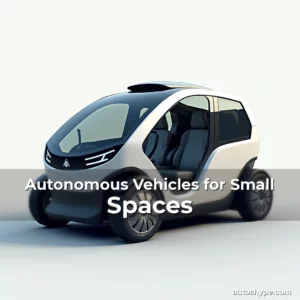

The new framework, announced by US Transportation Secretary Sean Duffy, aims to help US automakers compete with Chinese rivals and pave the way for the deployment of autonomous vehicles on US roads. The move is seen as a significant step forward for the development of autonomous vehicles in the US.
Key Provisions of the New Framework
- Autonomous vehicles that do not comply with federal safety standards, such as having rearview mirrors, will be allowed to operate on US roads.
- The rules will also allow carmakers to report less severe crashes monthly, and add a property damage reporting threshold for less severe crashes involving self-driving vehicles.
- Additionally, NHTSA will expand a programme to exempt some self-driving vehicles from safety requirements and streamline the reporting of safety incidents for advanced driver assistance and self-driving systems.
The revised rules are intended to slash red tape and provide a more favorable environment for the deployment of autonomous vehicles in the US. According to Secretary Duffy, the new framework will help the US stay competitive with China, where the government has been more supportive of autonomous vehicle development.
Industry Reaction
The Alliance for Automotive Innovation, a trade group representing nearly all major automakers, praised the US Department of Transportation for its move. The industry has long sought to deploy automated vehicles on US roads that do not comply with federal safety standards.
“We have been hamstrung by government inaction… This announcement shows the administration is also proceeding with a sense of urgency, so we don’t cede AV leadership to China and other countries,” said the Alliance for Automotive Innovation.
On the other hand, advocates for highway and auto safety expressed disappointment that the US Department of Transportation chose to dilute, instead of enhance, the reporting requirements for autonomous vehicles.
Safety Concerns
- Groups like the National Highway Traffic Safety Administration (NHTSA) have raised concerns about the safety exemptions and the potential for deadly consequences.
- The safety exemptions are not accompanied by sufficient safeguards, transparency, and accountability, which could imperil the success of autonomous vehicle deployment.
Other Automakers
- Alphabet’s self-driving unit Waymo has closed a $5.6 billion funding round to expand its autonomous ride-hailing service.
- Waymo aims to launch its fully autonomous ride-hailing service in the US capital city next year.
- General Motors has halted funding for its self-driving Cruise robotaxi business after a serious incident involving one of its robotaxis.
Achievements and Goals
| Key Achievements: | Expanded automated vehicle exemption programme to include domestically produced vehicles. |
| Key Goals: | Slash red tape and provide a more favorable environment for autonomous vehicle deployment in the US. |
Conclusion
The new framework announced by the US Department of Transportation is a significant step forward for the development of autonomous vehicles in the US. While there are concerns about the safety exemptions and the potential for deadly consequences, the move is seen as a major boost to the industry. The revised rules provide a more favorable environment for the deployment of autonomous vehicles on US roads, and the industry is eager to take advantage of the new framework.

news is a contributor at AutosHype. We are committed to providing well-researched, accurate, and valuable content to our readers.