The Evolution of Car Aesthetics: Unveiling Tomorrow’s Automotive Designs
In an era where innovation meets artistry, the world of car design is undergoing a transformative journey that captivates both automotive enthusiasts and everyday drivers alike. As we step into the future, the lines between functionality and aesthetics are blurring, giving rise to unprecedented styles that redefine what we perceive as beautiful in vehicles.
This exploration delves deep into the latest trends shaping today’s automotive landscape, revealing how manufacturers are leveraging cutting-edge technology and sustainable practices to create cars that not only turn heads but also prioritize environmental responsibility. From electric vehicles (EVs) to smart technologies, every element plays a crucial role in this evolving narrative.
The Rise of Electric Vehicles in Design Innovation
Electric vehicles have emerged as pivotal players in redefining modern car aesthetics, influencing everything from silhouette shapes to interior layouts. Their unique powertrain configurations allow designers greater freedom to experiment with form and function without being constrained by traditional engine placements.
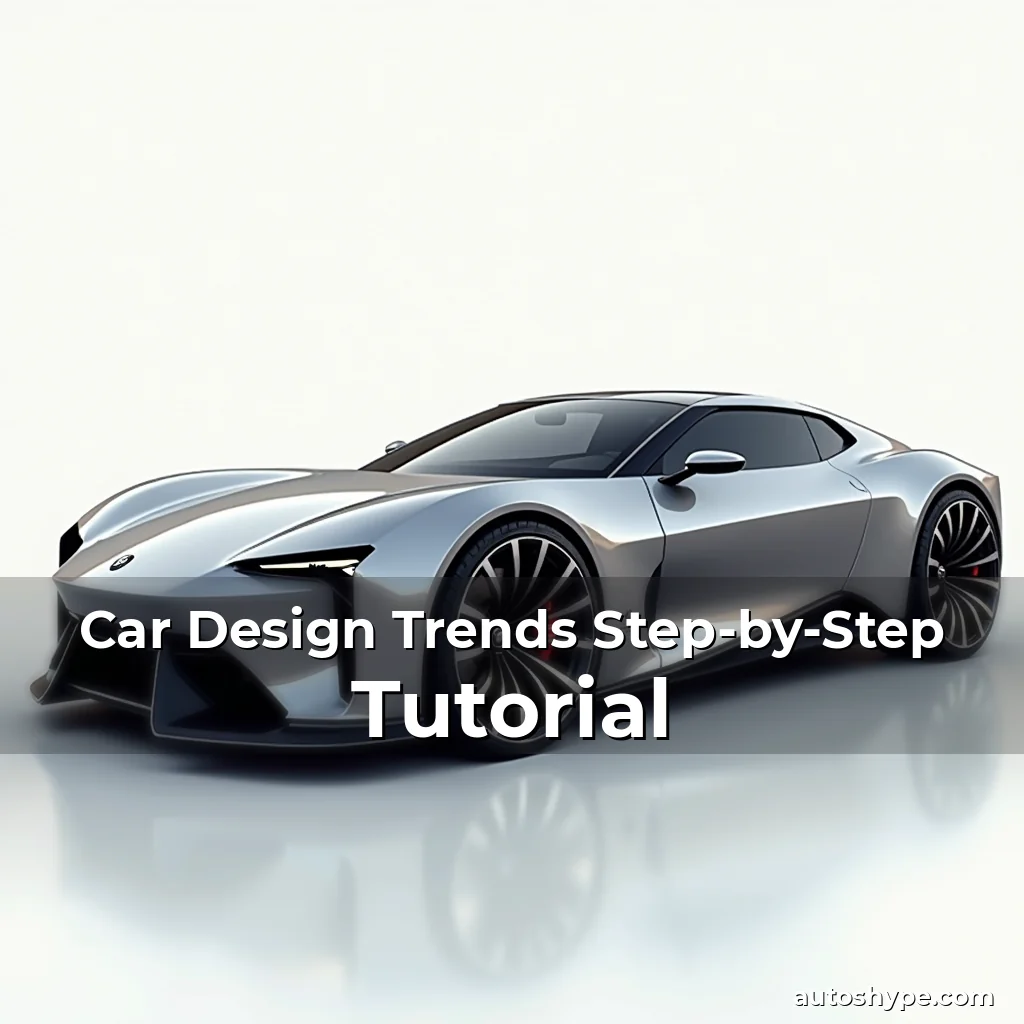
One notable trend is the emphasis on aerodynamic efficiency; many EV designs feature sleek curves and minimalistic front grilles to enhance airflow around the vehicle while reducing drag. This approach not only improves energy efficiency but also contributes significantly to the overall aesthetic appeal of these machines.
- Aerodynamic Efficiency: The streamlined bodies of electric vehicles help reduce resistance against air flow, which enhances battery life and range.
- Simplified Front Ends: With fewer components required due to the absence of internal combustion engines, fronts can be designed with cleaner lines and less cluttered appearances.
Moreover, the integration of advanced materials such as carbon fiber composites allows for lighter yet stronger exteriors that further complement the futuristic look associated with EVs. These materials contribute to improved performance metrics while maintaining structural integrity during collisions.
Designers are also focusing on creating distinct brand identities through unique lighting solutions. LED headlights and taillights offer versatility in styling options, allowing automakers to differentiate their models effectively within competitive markets.
Minimalist Exteriors: Embracing Simplicity
The minimalist exterior trend has taken hold across various segments of the automobile industry, signaling a shift towards clean lines and uncluttered surfaces. This design philosophy emphasizes simplicity over complexity, often resulting in vehicles that appear more elegant and sophisticated at first glance.
Vehicles embracing this style tend to eliminate unnecessary embellishments found traditionally on older models. Instead, they focus on geometric precision—sharp angles paired with smooth transitions—creating visually striking silhouettes that command attention wherever they’re parked.
Interior spaces reflect this same ethos; interiors now emphasize open spaces devoid of excessive trimmings or decorations. Materials used inside cabins are chosen not only for comfort but also for their ability to convey elegance through subtlety rather than ostentation.
The benefits extend beyond mere visual appeal; minimalist designs facilitate easier maintenance since there are fewer parts prone to wear and tear. Additionally, simpler forms typically require less time-consuming detailing processes post-production.
Futuristic Lighting Solutions
Lighting technology continues to evolve rapidly, playing a significant role in enhancing both safety and style across new vehicle models. From adaptive driving beams to dynamic brake lights, innovative lighting features serve dual purposes—improving visibility for safer driving experiences while simultaneously adding distinctive flair.
Modern headlamps incorporate matrix LED systems capable of adjusting light distribution based on real-time conditions outside the car. Such adaptability ensures optimal illumination regardless of weather patterns or road types encountered during travel.
Taillight assemblies too have transformed dramatically, featuring multi-faceted designs illuminated by high-intensity LEDs that provide enhanced conspicuity when stopped suddenly behind other vehicles. These advancements aid in preventing rear-end collisions by making vehicles more visible under diverse circumstances.
Furthermore, ambient lighting within passenger compartments offers customization possibilities allowing occupants personal touches reflecting individual tastes or moods. This interplay between functional necessity and expressive potential showcases contemporary priorities regarding user experience enhancement via thoughtful engineering choices.
Sustainable Materials & Eco-Friendly Practices
As awareness surrounding climate change intensifies globally, sustainability becomes increasingly integral to car manufacturing processes. Automakers worldwide are adopting eco-conscious strategies aimed at minimizing waste generation throughout production cycles—from sourcing raw materials right down to final assembly stages.
Recycled plastics constitute one prominent example utilized extensively nowadays; they replace conventional petroleum-based polymers commonly found in dashboards, door panels, and even seats themselves. Utilizing recycled resources reduces dependency upon virgin material extraction methods thereby conserving natural ecosystems affected negatively otherwise.
Bio-based fabrics derived from plant fibers represent another breakthrough area currently gaining traction among leading OEMs seeking greener alternatives compared to synthetic textiles previously dominating upholstery sectors. Cotton blends infused with natural dyes present aesthetically pleasing finishes alongside reduced chemical footprints linked historically with textile industries.
Alongside material innovations lies broader adoption of circular economy principles promoting reuse/recycling initiatives targeting end-of-life phases ensuring residual value retention long after initial ownership periods conclude. This holistic view encompasses remanufacturing opportunities alongside dismantling techniques facilitating resource recovery efficiently.
Human-Centric Interior Layouts
Today’s consumer expectations demand interiors tailored specifically toward occupant well-being emphasizing ergonomics combined seamlessly with technological convenience factors. Manufacturers recognize this need translating into redesigned cockpits prioritizing intuitive interfaces integrated closely with driver needs irrespective of age demographic served.
Pioneering approaches involve integrating digital displays replacing analog gauges entirely transforming instrument clusters into interactive screens displaying essential data dynamically updated according to contextually relevant information sets provided by onboard sensors networks monitoring vehicle statuses continuously.
Cockpit arrangements favor horizontal orientations maximizing sightlines available improving situational awareness crucial particularly during highway cruising scenarios requiring constant vigilance against surrounding traffic movements.
Touchscreen infotainment systems centralize control functions enabling effortless navigation through multimedia applications managing audiovisual entertainment sources along with connectivity settings configuring Bluetooth pairings effortlessly without manual intervention involved traditionally associated with physical button operation mechanisms.
Personalization Options Expanding Beyond Color Choices
Mechanical customizations once limited primarily color selections now encompass wider arrays including bespoke paint schemes developed using advanced nanotechnology offering durability enhancements alongside vibrant hues matching personal preferences accurately reflected externally on finished products.
Customizable stitching patterns applied onto leather surfaces add another dimension enriching tactile sensations experienced daily while occupying seating positions thus elevating perceived luxury levels achieved merely through surface treatments alone unable fully encapsulate sensory engagement expected nowadays.
Performance tuning packages cater specifically enthusiast audiences desiring heightened capabilities surpass standard offerings available off-the-shelf units produced en masse catering mass market demands predominantly governed by cost constraints restricting full expression capabilities desired by niche clientele segments.
Smartphone integration goes hand-in-hand here providing seamless synchronization functionalities allowing direct access controlling numerous aspects ranging from music playback up till climate regulation parameters adjusted remotely via mobile devices acting essentially extensions externalized versions existing dashboard controls traditionally confined solely within cabin environments.
Advanced Safety Technologies Shaping Contemporary Vehicle Architectures
Current developments center around incorporating passive restraint systems alongside active collision avoidance measures aiming ultimately prevent accidents altogether rather than merely mitigate damages occurring post-collision events.
Adaptive cruise control represents foundational element amongst suite available options employing radar/laser sensors detecting proximity objects ahead automatically modulating speed accordingly maintaining safe distances maintained consistently throughout journeys irrespective varying traffic densities faced routinely.
Lane departure warning systems alert drivers whenever unintentional drift occurs utilizing cameras tracking lane markings identifying deviations promptly issuing audible alerts prompting corrective actions swiftly executed before potential incidents escalate dangerously.
Automatic emergency braking constitutes critical component among proactive safety protocols activating itself instantaneously whenever imminent impact detected avoiding crashes completely whenever possible preserving lives endangered unnecessarily otherwise.
Autonomous Driving Capabilities Redefining User Interaction Paradigms
Rapid progressions witnessed autonomous driving technologies reshape fundamental assumptions held previously concerning human-machine interactions governing transportation sector operations broadly affecting societal structures fundamentally altered irrevocably through implementation thereof.
Level two automation already prevalent amongst mid-range models equipping semi-autonomous features granting partial relief burdens imposed upon operators allowing temporary respite during monotonous tasks executed repetitively causing fatigue accumulation potentially impairing judgment abilities adversely affecting overall safety margins compromised progressively overtime.
Future iterations promise higher degrees autonomy eventually reaching complete self-sufficiency eliminating altogether necessity human oversight entirely revolutionizing mobility paradigms permanently altering urban landscapes accommodating increased throughput efficiencies achievable through optimized routing algorithms calculating shortest paths dynamically adapting constantly fluctuating conditions encountered regularly within complex infrastructure networks characterized inherently chaotic unpredictable behaviors.
Such transformations necessitate redesigning vehicle interiors accommodating transitionary states where occupants may engage leisure activities previously incompatible with operational requirements enforced strictly prior implementations imposing stringent restrictions limiting flexibility afforded passengers during transit durations extended significantly facilitated largely because of decreased reliance upon continuous driver attentiveness demanded formerly exclusively.
Conclusion
The evolution of car aesthetics reflects a profound transformation driven by technological advances, environmental considerations, and changing consumer preferences. As we move forward, the synergy between these elements will continue to shape the future of automotive design in ways unimaginable just a few years ago.
For automotive enthusiasts and owners, staying informed about current trends and emerging technologies is key to appreciating the ever-evolving nature of car design. Whether you’re drawn to electric vehicles, minimalist exteriors, or personalized interiors, understanding these shifts empowers you to make smarter decisions that align with your values and lifestyle choices.

news is a contributor at AutosHype. We are committed to providing well-researched, accurate, and valuable content to our readers.