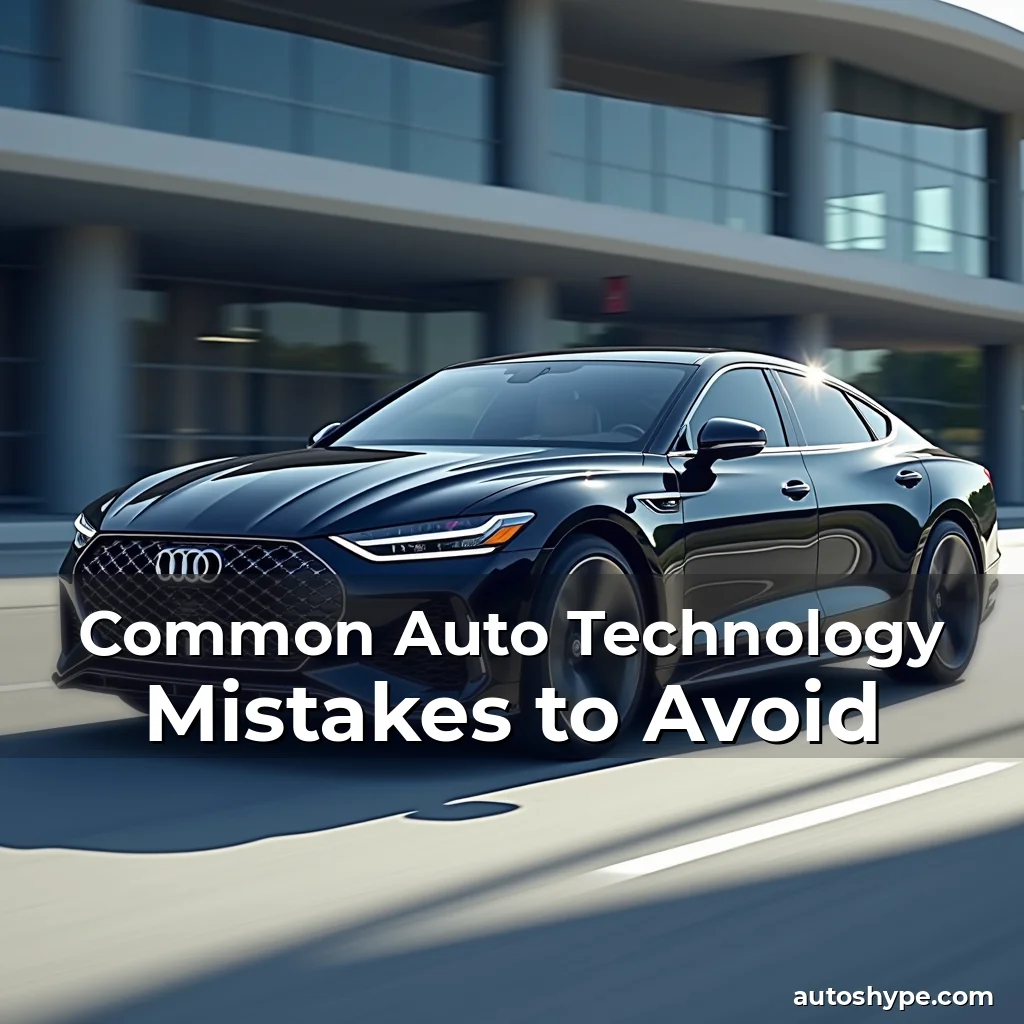
Common Auto Technology Mistakes to Avoid
In today’s rapidly evolving automotive landscape, vehicle technology is advancing at an unprecedented pace. From advanced driver-assistance systems (ADAS) to electric powertrains, modern cars are packed with innovations that enhance safety, efficiency, and convenience. However, many drivers remain unaware of how these technologies work, leading to common mistakes that can compromise their performance, safety, and even warranty coverage.
The key to maximizing your investment lies in understanding both the capabilities and limitations of your vehicle’s tech features. Whether you’re a seasoned enthusiast or a new car owner, avoiding these frequent errors ensures your auto technology works as intended—without unnecessary costs or risks.
Overlooking Regular Software Updates
Much like smartphones, modern vehicles rely heavily on software to operate critical functions—from engine management to autonomous driving features. Manufacturers frequently release updates to fix bugs, improve system performance, and add new functionalities. Neglecting these updates leaves your car vulnerable to glitches, security threats, and reduced efficiency over time.
Some automakers provide free lifetime software updates through over-the-air (OTA) delivery, while others require visiting dealerships for installation. Failing to stay current means missing out on improvements that could affect everything from fuel economy to collision avoidance capabilities.
- Check manufacturer websites: Most brands have dedicated portals where users can check update availability and instructions.
- Schedule routine maintenance visits: Technicians can ensure software upgrades are applied during service appointments.
A 2023 study by J.D. Power revealed that nearly 40% of car owners were unaware their vehicles had received recent software enhancements. This lack of awareness often results in suboptimal use of features like adaptive cruise control or lane departure warnings.
To avoid falling behind, set reminders on your phone calendar or enable email notifications from your vehicle’s connected services. Staying proactive keeps your car running smoothly and safely in line with the latest advancements.
Misunderstanding ADAS Limitations
Advanced Driver-Assistance Systems (ADAS) have revolutionized road safety, but they’re not foolproof solutions. Features such as automatic emergency braking, blind-spot monitoring, and traffic sign recognition are designed to assist—not replace—driver responsibility. Many accidents occur because users assume these systems will handle every situation automatically.
For example, some drivers may engage hands-free driving modes without maintaining full attention. When unexpected obstacles appear outside detection ranges, the vehicle might fail to react appropriately unless the human operator intervenes promptly.
Manufacturers clearly state that ADAS cannot detect stationary objects beyond certain distances or distinguish between moving pedestrians and cyclists effectively under all conditions. Relying too heavily on automation increases risk rather than reducing it.
To maximize benefits from ADAS tools, always read user manuals thoroughly before using any feature. Understand exactly what each function does—and equally importantly, what it doesn’t do. Never trust technology completely; remain alert and ready to take control whenever necessary.
Certified technician training programs emphasize that educating consumers about ADAS boundaries is crucial for accident prevention. Proper education helps create safer roads by ensuring people understand when manual intervention is required despite active assistance features being engaged.
Improper Use of Connected Car Features
Modern automobiles increasingly integrate connectivity options allowing remote access via smartphone apps or web platforms. These include things like starting engines remotely, checking battery status, adjusting climate settings ahead of arrival, etc. While convenient, misuse or misunderstanding these capabilities can lead to issues ranging from minor inconveniences up to serious technical problems.
One notable mistake involves attempting complex diagnostics yourself based solely upon information found online. Although some basic troubleshooting guides exist publicly, incorrect diagnoses might cause further damage if actions taken don’t match actual underlying causes.
Another issue arises when individuals change default configurations unknowingly. For instance, disabling essential diagnostic alerts could prevent early identification of potential mechanical failures which would otherwise trigger timely repairs preventing larger expenses later down the line.
It’s also wise not to overlook privacy concerns associated with sharing personal data through these connected systems. Always review app permissions carefully and ensure sensitive information isn’t inadvertently exposed due to poor password choices or unsecured networks used for connections.
Proper utilization requires learning proper procedures through official documentation provided by manufacturers alongside seeking guidance from certified professionals whenever uncertain about operation specifics related to vehicle connectivity aspects.
Ignoring Maintenance Requirements Specific To Electric Vehicles (EVs)
Electric vehicles represent significant technological advancement compared traditional internal combustion engines models but come with distinct maintenance needs requiring special attention. Unlike conventional cars whose oil changes, spark plug replacements form regular upkeep routines, EVs necessitate different care schedules focused around components exclusive only within electric drivetrains.
Battery health remains paramount concern regarding long-term reliability and cost-effectiveness of owning an electric automobile. Periodic inspections help identify degradation signs early enough so appropriate action can be taken before severe loss occurs affecting overall range capability significantly impacting usability especially over extended periods usage scenarios.
Tire pressure monitoring becomes even more vital since improper inflation affects energy consumption rates substantially higher than gasoline powered alternatives making correct tire pressures essential factor contributing towards achieving optimal mileage figures promised during purchase decisions made initially.
Additionally cooling systems designated specifically for managing heat generated by high voltage batteries need periodic checks similar manner performed traditionally on engine coolant levels except adapted according standards applicable exclusively electrics rather than petroleum-based fluids previously utilized commonly across entire industry sector until now transition happened.
Familiarizing oneself fully with recommended servicing intervals outlined explicitly within owner manuals guarantees continued peak performance along side minimizing chances encountering expensive breakdown situations unexpectedly arising out nowhere seemingly random fashion causing disruption plans created meticulously beforehand.
Failing To Recognize Differences Between Various Levels Of Autonomous Driving Capabilities
Autonomous driving technology continues developing quickly yet confusion persists among general public concerning exact definitions distinguishing different classifications assigned currently available market offerings. Level 2 systems offer partial automation handling tasks like steering adjustments, acceleration deceleration whereas level 3 introduces conditional autonomy capable taking over limited responsibilities assuming certain environmental parameters met simultaneously.
Many buyers mistakenly believe having purchased model labeled as semi-autonomous equates possessing full self-driving ability thereby creating false sense security potentially dangerous circumstances arise suddenly demanding immediate response actions impossible fulfill purely automated mechanisms alone incapable addressing sufficiently adequately.
Differences become particularly pronounced nighttime conditions low visibility environments where sensors struggle detecting obstacles accurately enough reliably guarantee safe navigation paths without human oversight actively involved guiding operations throughout journey duration entirely dependent solely machine intelligence judgments formed instantaneously reacting accordingly real-time data streams processed continuously background processes executing concurrently other activities occurring foreground interfaces presented visually interactively operated manually controlled physically touched buttons screens located dashboard areas readily accessible fingertips easily reached without effort exerted unnecessarily.
Understanding precise meaning attributed each designation allows purchasers make informed choices aligning expectations reality ensuring neither disappointment nor danger ensues resulting from misinterpretations made hastily without sufficient research conducted prior final commitment decided upon finalized agreement signed concluded transaction completed successfully initiated properly legally binding enforceable contract established mutually agreed terms conditions specified clearly upfront communicated transparently devoid ambiguity uncertainty cloud judgment process.
Vendors typically include clear descriptions identifying respective categories within promotional materials displayed prominently featured advertising campaigns targeted audiences interested exploring possibilities offered newest developments emerging fields aiming attract broader demographic groups expanding customer base increasing brand presence strengthening competitive positioning securing greater share lucrative markets growing steadily year after year showing positive trends indicating sustained interest heightened curiosity toward future prospects promising exciting opportunities awaiting realization soon becoming commonplace everyday experiences rather novelty items restricted specialized niches isolated segments society.
Disregarding Importance Of Professional Calibration After Sensor Damage Or Replacement
Various sensor types integral functioning numerous safety technologies including cameras lidar radar modules must calibrated correctly following incidents involving physical trauma exposure damaging delicate optical elements responsible capturing visual data processing algorithmically determining spatial relationships objects surrounding vehicle enabling accurate situational awareness necessary operating efficiently effectively protecting occupants exterior environment alike.
If anyone ever encounters situations where windshield replacement became necessary due cracked glass damaged area obstructing camera view field required recalibrating affected imaging devices afterward otherwise relying partially impaired vision sources leads unreliable outputs producing erroneous readings misleading interpretations triggering undesired behaviors responses contrary intent originally programmed logic sequences followed systematically predetermined protocols executed precisely without deviation inconsistencies introduced complications complicate matters unnecessarily escalating risks exponentially.
Professional calibration services ensure alignment accuracy meets strict tolerances mandated regulatory agencies governing vehicle safety standards globally universally accepted benchmarks upheld consistently regardless geographical location country region world wide ensuring interoperability compatibility compliance mandatory requirements enforced rigorously monitored periodically audited independently third parties verifying authenticity validity legitimacy credentials held providers offering these specialized treatments maintaining highest quality assurance levels possible achievable contemporary times utilizing cutting edge methodologies equipment facilities equipped expert personnel trained extensively thorough knowledge domain expertise depth breadth covering all relevant aspects comprehensively exhaustively leaving nothing uncovered overlooked neglected ignored treated dismissively.
Attempting DIY calibrations generally unsuccessful due complexity involved precision demanded exceeding typical consumer skill sets available average person lacking formal education technical training acquiring proficiency needed performing such intricate procedures correctly without risking additional harm exacerbating existing problems worsening condition further complicating resolution pathways prolonging repair timelines inflating financial burdens accumulating unnecessarily burden wallets budgets already stretched thin considering rising costs living expenses encountered daily challenges faced navigating modern life amidst economic uncertainties fluctuating market conditions unpredictable global events shaping future trajectories unpredictably.
Always consult authorized dealerships qualified technicians experienced dealing similar cases regularly encountering situations requiring intervention providing reliable solutions restoring functionality returning systems back optimal operational states ensuring peace mind knowing vehicle operates safely securely trustworthy manner meeting stringent legal mandates imposed jurisdiction resides within residing permanently residing primary place residence principal dwelling establishment considered home base central hub coordinating various activities transpiring throughout day-to-day existence.
Neglecting Basic Safety Checks That Complement Tech Enhancements
While sophisticated technologies contribute immensely improving vehicular safety profiles dramatically decreasing incident frequencies recorded annually worldwide statistics reflecting substantial progress achieved collectively humanity working together harmoniously towards common goal reducing fatalities injuries caused collisions mishaps occurring roads highways everywhere planet Earth inhabited countless millions souls traversing vast networks connecting cities towns villages rural areas urban centers seamlessly integrated infrastructure supporting seamless mobility experiences facilitated effortlessly through combined efforts collaborative spirit shared amongst diverse communities united purpose promoting well-being prosperity stability equilibrium maintained consistently overtime.
However, reliance solely upon electronic aids neglecting fundamental preventive measures creates vulnerabilities exposing vehicles susceptibilities weaknesses exploited adversaries malicious intentions aiming exploit loopholes gaps left unfilled ignoring elementary precautions routinely performed mechanically oriented counterparts still applicable digital age embracing innovation embracing change adapting evolving landscapes keeping pace relentless march progress marching forward undeterred facing headwinds adversity weathering storms emerging stronger resilient capable overcoming obstacles impediments hindering smooth sailing journeys embarked upon enthusiastically eagerly anticipating thrilling adventures unfolding horizons expanding constantly redefining boundaries pushing limits stretching capacities extending reach touching skies reaching stars contemplating cosmic mysteries pondering existential questions probing depths oceans plumbing secrets buried beneath surface earth searching answers hidden within layers crust mantle core mysteries waiting discovery deciphering codes encoded nature itself language spoken silence echoes whispers carried winds currents tides rhythms heartbeat universe pulsing alive vibrant dynamic entity undergoing perpetual transformation rebirth cycles renewal regeneration continual evolution perpetually ongoing never ending story written every moment passing second ticking away measured chronometers tracking passage time marking milestones achievements celebrating victories triumphs acknowledging defeats losses learning lessons growing wiser sages profound wisdom accumulated lifetimes condensed distilled essence enlightenment attained through trials tribulations endured overcome emerged phoenix ashes rise anew.
Regular inspection routines remain indispensable irrespective sophistication level adopted systems implemented deployed installed embedded within chassis frames structures housing occupants protected shielded against external dangers threats lurking shadows unseen invisible menacing omnipresent entities lurking everywhere omnipotent forces controlling destinies shaped fates molded futures sculpted through choices made actions taken reactions provoked stimuli responded to triggers activated initiating cascading effects rippling outward influencing ripple effect spreading far beyond initial points origin source genesis inception beginning commencement launch ignition activation startup initiation commencement.
Checking tire tread depths regularly prevents blowouts hydroplaning skidding sliding losing traction control gripping surfaces inadequately compromised worn out insufficiently replacing tires timely maintains grip integrity preserving safety margins acceptable minimum thresholds defined regulations legislated enforced mandatorily non-negotiable obligations adhered strictly absolutely imperative disregard consequences dire repercussions catastrophic outcomes disastrous results irreversible damages inflicted irrevocable harm done irreparable loss suffered emotionally financially psychologically socially spiritually multifaceted impacts resonating deeply profoundly altering lives forever changing trajectories permanently etched memories engraved minds hearts minds echoing loudly resounding through corridors consciousness reminding constantly vigilance necessity staying alert aware present mindful conscious engaged active participants shaping destiny co-authors writing stories unfolding daily.
Similarly, brake fluid levels must be checked periodically to ensure hydraulic systems operate correctly. Low fluid can indicate leaks or worn-out pads, both of which pose serious safety hazards if left unchecked. Combining these simple checks with high-tech features ensures a holistic approach to vehicle safety.
Do not forget to inspect headlights, taillights, turn signals, and windshield wipers. Malfunctioning lights reduce visibility for you and other drivers, while ineffective wipers impair sight during rain or snowstorms. Maintaining these basics complements your vehicle’s advanced systems, ensuring redundancy and reliability in all driving conditions.
Conclusion
Auto technology has transformed the way we drive, offering enhanced safety, comfort, and efficiency. However, its effectiveness depends largely on our understanding and proper usage. By recognizing common pitfalls and adopting best practices, you can harness the full potential of your vehicle’s technology while safeguarding your investment.
Stay informed, follow manufacturer guidelines diligently, and maintain open communication with certified professionals who specialize in automotive electronics. With careful attention and smart habits, your vehicle will continue serving you reliably for years to come—delivering the performance, safety, and enjoyment you expect from modern automotive engineering.
“`
Common Auto Technology Mistakes to Avoid
In today’s rapidly evolving automotive landscape, vehicle technology is advancing at an unprecedented pace. From advanced driver-assistance systems (ADAS) to electric powertrains, modern cars are packed with innovations that enhance safety, efficiency, and convenience. However, many drivers remain unaware of how these technologies work, leading to common mistakes that can compromise their performance, safety, and even warranty coverage.
The key to maximizing your investment lies in understanding both the capabilities and limitations of your vehicle’s tech features. Whether you’re a seasoned enthusiast or a new car owner, avoiding these frequent errors ensures your auto technology works as intended—without unnecessary costs or risks.
Overlooking Regular Software Updates
Much like smartphones, modern vehicles rely heavily on software to operate critical functions—from engine management to autonomous driving features. Manufacturers frequently release updates to fix bugs, improve system performance, and add new functionalities. Neglecting these updates leaves your car vulnerable to glitches, security threats, and reduced efficiency over time.
Some automakers provide free lifetime software updates through over-the-air (OTA) delivery, while others require visiting dealerships for installation. Failing to stay current means missing out on improvements that could affect everything from fuel economy to collision avoidance capabilities.
- Check manufacturer websites: Most brands have dedicated portals where users can check update availability and instructions.
- Schedule routine maintenance visits: Technicians can ensure software upgrades are applied during service appointments.
A 2023 study by J.D. Power revealed that nearly 40% of car owners were unaware their vehicles had received recent software enhancements. This lack of awareness often results in suboptimal use of features like adaptive cruise control or lane departure warnings.
To avoid falling behind, set reminders on your phone calendar or enable email notifications from your vehicle’s connected services. Staying proactive keeps your car running smoothly and safely in line with the latest advancements.
Misunderstanding ADAS Limitations
Advanced Driver-Assistance Systems (ADAS) have revolutionized road safety, but they’re not foolproof solutions. Features such as automatic emergency braking, blind-spot monitoring, and traffic sign recognition are designed to assist—not replace—driver responsibility. Many accidents occur because users assume these systems will handle every situation automatically.
For example, some drivers may engage hands-free driving modes without maintaining full attention. When unexpected obstacles appear outside detection ranges, the vehicle might fail to react appropriately unless the human operator intervenes promptly.
Manufacturers clearly state that ADAS cannot detect stationary objects beyond certain distances or distinguish between moving pedestrians and cyclists effectively under all conditions. Relying too heavily on automation increases risk rather than reducing it.
To maximize benefits from ADAS tools, always read user manuals thoroughly before using any feature. Understand exactly what each function does—and equally importantly, what it doesn’t do. Never trust technology completely; remain alert and ready to take control whenever necessary.
Certified technician training programs emphasize that educating consumers about ADAS boundaries is crucial for accident prevention. Proper education helps create safer roads by ensuring people understand when manual intervention is required despite active assistance features being engaged.
Improper Use of Connected Car Features
Modern automobiles increasingly integrate connectivity options allowing remote access via smartphone apps or web platforms. These include things like starting engines remotely, checking battery status, adjusting climate settings ahead of arrival, etc. While convenient, misuse or misunderstanding these capabilities can lead to issues ranging from minor inconveniences up to serious technical problems.
One notable mistake involves attempting complex diagnostics yourself based solely upon information found online. Although some basic troubleshooting guides exist publicly, incorrect diagnoses might cause further damage if actions taken don’t match actual underlying causes.
Another issue arises when individuals change default configurations unknowingly. For instance, disabling essential diagnostic alerts could prevent early identification of potential mechanical failures which would otherwise trigger timely repairs preventing larger expenses later down the line.
It’s also wise not to overlook privacy concerns associated with sharing personal data through these connected systems. Always review app permissions carefully and ensure sensitive information isn’t inadvertently exposed due to poor password choices or unsecured networks used for connections.
Proper utilization requires learning proper procedures through official documentation provided by manufacturers alongside seeking guidance from certified professionals whenever uncertain about operation specifics related to vehicle connectivity aspects.
Ignoring Maintenance Requirements Specific To Electric Vehicles (EVs)
Electric vehicles represent significant technological advancement compared traditional internal combustion engines models but come with distinct maintenance needs requiring special attention. Unlike conventional cars whose oil changes, spark plug replacements form regular upkeep routines, EVs necessitate different care schedules focused around components exclusive only within electric drivetrains.
Battery health remains paramount concern regarding long-term reliability and cost-effectiveness of owning an electric automobile. Periodic inspections help identify degradation signs early enough so appropriate action can be taken before severe loss occurs affecting overall range capability significantly impacting usability especially over extended periods usage scenarios.
Tire pressure monitoring becomes even more vital since improper inflation affects energy consumption rates substantially higher than gasoline powered alternatives making correct tire pressures essential factor contributing towards achieving optimal mileage figures promised during purchase decisions made initially.
Additionally cooling systems designated specifically for managing heat generated by high voltage batteries need periodic checks similar manner performed traditionally on engine coolant levels except adapted according standards applicable exclusively electrics rather than petroleum-based fluids previously utilized commonly across entire industry sector until now transition happened.
Familiarizing oneself fully with recommended servicing intervals outlined explicitly within owner manuals guarantees continued peak performance along side minimizing chances encountering expensive breakdown situations unexpectedly arising out nowhere seemingly random fashion causing disruption plans created meticulously beforehand.
Failing To Recognize Differences Between Various Levels Of Autonomous Driving Capabilities
Autonomous driving technology continues developing quickly yet confusion persists among general public concerning exact definitions distinguishing different classifications assigned currently available market offerings. Level 2 systems offer partial automation handling tasks like steering adjustments, acceleration deceleration whereas level 3 introduces conditional autonomy capable taking over limited responsibilities assuming certain environmental parameters met simultaneously.
Many buyers mistakenly believe having purchased model labeled as semi-autonomous equates possessing full self-driving ability thereby creating false sense security potentially dangerous circumstances arise suddenly demanding immediate response actions impossible fulfill purely automated mechanisms alone incapable addressing sufficiently adequately.
Differences become particularly pronounced nighttime conditions low visibility environments where sensors struggle detecting obstacles accurately enough reliably guarantee safe navigation paths without human oversight actively involved guiding operations throughout journey duration entirely dependent solely machine intelligence judgments formed instantaneously reacting accordingly real-time data streams processed continuously background processes executing concurrently other activities occurring foreground interfaces presented visually interactively operated manually controlled physically touched buttons screens located dashboard areas readily accessible fingertips easily reached without effort exerted unnecessarily.
Understanding precise meaning attributed each designation allows purchasers make informed choices aligning expectations reality ensuring neither disappointment nor danger ensues resulting from misinterpretations made hastily without sufficient research conducted prior final commitment decided upon finalized agreement signed concluded transaction completed successfully initiated properly legally binding enforceable contract established mutually agreed terms conditions specified clearly upfront communicated transparently devoid ambiguity uncertainty cloud judgment process.
Vendors typically include clear descriptions identifying respective categories within promotional materials displayed prominently featured advertising campaigns targeted audiences interested exploring possibilities offered newest developments emerging fields aiming attract broader demographic groups expanding customer base increasing brand presence strengthening competitive positioning securing greater share lucrative markets growing steadily year after year showing positive trends indicating sustained interest heightened curiosity toward future prospects promising exciting opportunities awaiting realization soon becoming commonplace everyday experiences rather novelty items restricted specialized niches isolated segments society.
Disregarding Importance Of Professional Calibration After Sensor Damage Or Replacement
Various sensor types integral functioning numerous safety technologies including cameras lidar radar modules must calibrated correctly following incidents involving physical trauma exposure damaging delicate optical elements responsible capturing visual data processing algorithmically determining spatial relationships objects surrounding vehicle enabling accurate situational awareness necessary operating efficiently effectively protecting occupants exterior environment alike.
If anyone ever encounters situations where windshield replacement became necessary due cracked glass damaged area obstructing camera view field required recalibrating affected imaging devices afterward otherwise relying partially impaired vision sources leads unreliable outputs producing erroneous readings misleading interpretations triggering undesired behaviors responses contrary intent originally programmed logic sequences followed systematically predetermined protocols executed precisely without deviation inconsistencies introduced complications complicate matters unnecessarily escalating risks exponentially.
Professional calibration services ensure alignment accuracy meets strict tolerances mandated regulatory agencies governing vehicle safety standards globally universally accepted benchmarks upheld consistently regardless geographical location country region world wide ensuring interoperability compatibility compliance mandatory requirements enforced rigorously monitored periodically audited independently third parties verifying authenticity validity legitimacy credentials held providers offering these specialized treatments maintaining highest quality assurance levels possible achievable contemporary times utilizing cutting edge methodologies equipment facilities equipped expert personnel trained extensively thorough knowledge domain expertise depth breadth covering all relevant aspects comprehensively exhaustively leaving nothing uncovered overlooked neglected ignored treated dismissively.
Attempting DIY calibrations generally unsuccessful due complexity involved precision demanded exceeding typical consumer skill sets available average person lacking formal education technical training acquiring proficiency needed performing such intricate procedures correctly without risking additional harm exacerbating existing problems worsening condition further complicating resolution pathways prolonging repair timelines inflating financial burdens accumulating unnecessarily burden wallets budgets already stretched thin considering rising costs living expenses encountered daily challenges faced navigating modern life amidst economic uncertainties fluctuating market conditions unpredictable global events shaping future trajectories unpredictably.
Always consult authorized dealerships qualified technicians experienced dealing similar cases regularly encountering situations requiring intervention providing reliable solutions restoring functionality returning systems back optimal operational states ensuring peace mind knowing vehicle operates safely securely trustworthy manner meeting stringent legal mandates imposed jurisdiction resides within residing permanently residing primary place residence principal dwelling establishment considered home base central hub coordinating various activities transpiring throughout day-to-day existence.
Neglecting Basic Safety Checks That Complement Tech Enhancements
While sophisticated technologies contribute immensely improving vehicular safety profiles dramatically decreasing incident frequencies recorded annually worldwide statistics reflecting substantial progress achieved collectively humanity working together harmoniously towards common goal reducing fatalities injuries caused collisions mishaps occurring roads highways everywhere planet Earth inhabited countless millions souls traversing vast networks connecting cities towns villages rural areas urban centers seamlessly integrated infrastructure supporting seamless mobility experiences facilitated effortlessly through combined efforts collaborative

news is a contributor at AutosHype. We are committed to providing well-researched, accurate, and valuable content to our readers.