


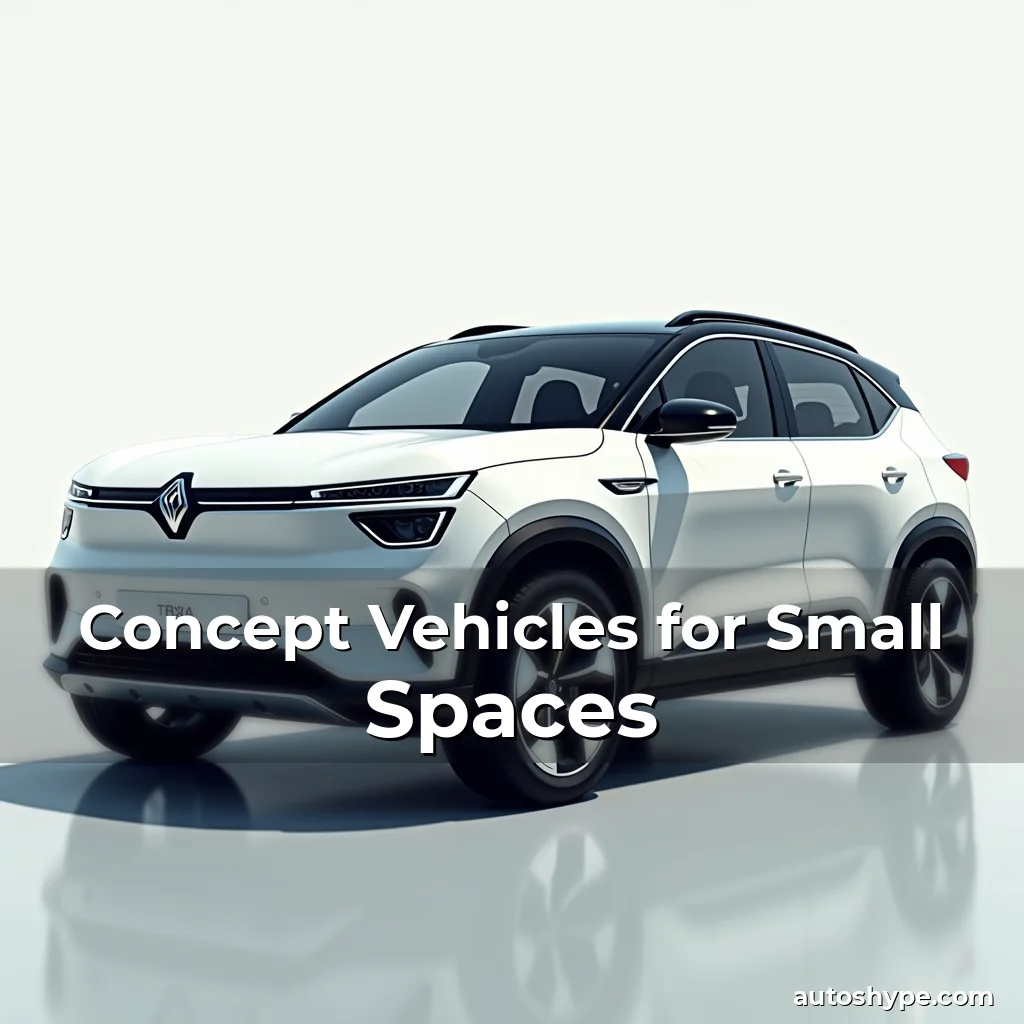
The Future in Motion: Exploring Concept Vehicles That Redefine Automotive Design
In an era where innovation is the lifeblood of the automotive industry, concept vehicles serve as the blueprints for tomorrow’s transportation landscape. These vehicles are more than just eye-catching prototypes; they embody the aspirations, technologies, and design philosophies that will shape the cars we drive in years to come.
For automotive enthusiasts and car owners alike, concept vehicles offer a glimpse into what might be possible beyond current limitations. From self-driving capabilities to zero-emission powertrains, these futuristic machines push boundaries and challenge traditional notions of mobility.
Pioneering Innovations Shaping Tomorrow’s Roads
The world of concept vehicles is constantly evolving, driven by advancements in technology and shifting consumer demands. Manufacturers invest heavily in research and development to create vehicles that address future challenges while captivating audiences with bold designs and cutting-edge features.
One of the most significant trends in recent years has been the integration of autonomous driving systems. Companies such as Tesla, Waymo, and Toyota have showcased concept models equipped with Level 4 autonomy, capable of navigating complex urban environments without human intervention. These demonstrations highlight the potential for safer, more efficient transportation networks.
- Autonomous Navigation: Advanced sensor arrays and machine learning algorithms enable real-time decision-making, reducing accident rates and optimizing traffic flow.
- Smart Connectivity: Vehicular communication systems allow for seamless interaction between vehicles, infrastructure, and personal devices, enhancing convenience and safety.
Electric propulsion has also gained momentum as automakers prioritize sustainability. Concepts featuring solid-state batteries, regenerative braking systems, and ultra-fast charging capabilities are pushing the limits of electric vehicle performance and range. This shift toward electrification aligns with global efforts to reduce carbon emissions from the transportation sector.
Moreover, the use of lightweight materials such as carbon fiber composites and aluminum alloys contributes to improved fuel efficiency and reduced environmental impact. By combining these innovations, concept vehicles set new benchmarks for both functionality and ecological responsibility.
Redefining Aesthetics Through Groundbreaking Designs
Apart from technological advancements, concept vehicles often feature avant-garde exteriors and interiors that break away from conventional automotive styling. These designs showcase creative visions while influencing mainstream production models.
Curved surfaces, aerodynamic shapes, and unconventional lighting configurations become hallmarks of many concept cars. For example, the Mercedes-Benz Vision EQXX demonstrates how minimalism can achieve maximum visual appeal through streamlined forms and interactive LED elements.
Interior spaces are equally transformative. Some concept vehicles abandon traditional layouts in favor of modular seating arrangements, immersive digital displays, and even biometric sensors that personalize the driving experience based on user preferences.
Holographic interfaces, gesture control systems, and voice-activated commands represent another leap forward in usability. These features not only enhance driver engagement but also contribute to the overall enjoyment of the automotive journey.
The Role of Sustainability in Concept Vehicle Development
Sustainability is at the core of modern concept vehicle development. Automakers are reimagining entire ecosystems around green technologies, ensuring their creations align with planetary health goals.
Beyond mere battery technology, sustainable materials play a crucial role. Interior components made from recycled plastics, vegan leather alternatives, and bio-based fabrics demonstrate a commitment to eco-friendly manufacturing practices.
Eco-conscious designs extend to energy generation methods too. Solar panels integrated into rooftops or body panels provide supplemental power, reducing reliance on external electricity sources. Hydrogen fuel cell technology presents yet another avenue for clean-energy solutions within concept vehicle frameworks.
Circular economy principles guide some manufacturers’ approaches. Concepts may incorporate removable parts designed for easy recycling or repurposing after their initial lifecycle ends. Such initiatives reflect broader industry commitments towards responsible consumption patterns.
Advancing Mobility Solutions Beyond Traditional Ownership Models
Concept vehicles frequently explore novel ownership structures aimed at increasing accessibility and flexibility. Subscription services, shared mobility platforms, and autonomous taxis exemplify changing perceptions regarding vehicle usage.
The rise of connected car ecosystems allows users to access various transport options seamlessly. Whether opting for ride-sharing during peak hours or using autonomous shuttles for local commutes, individuals benefit from tailored experiences aligned with their needs.
Digital twins – virtual replicas of physical assets – facilitate predictive maintenance strategies by monitoring wear-and-tear data continuously. This proactive approach reduces downtime and extends vehicle longevity significantly.
In addition, adaptive pricing mechanisms tied to demand fluctuations ensure fair cost distribution among users. Smart algorithms analyze travel behavior patterns to optimize service delivery efficiently across different regions simultaneously.
Breaking Boundaries in Performance Engineering
Performance remains a key focus area for concept vehicle creators seeking to redefine speed, agility, and handling characteristics. Engineers experiment with hybrid drivetrains, active suspension systems, and aerodynamic enhancements to unlock unprecedented levels of capability.
Some concepts integrate hydrogen combustion engines alongside electric motors for combined output exceeding typical supercars. Others utilize magnetic levitation techniques within controlled test tracks to achieve frictionless movement states previously thought unattainable.
Materials science breakthroughs influence chassis construction too. Graphene-reinforced polymers exhibit superior strength-to-weight ratios compared to conventional steel structures. This enables designers greater freedom when sculpting dynamic exterior profiles without compromising structural integrity.
Active aerodynamics further enhance performance metrics through variable airflow management systems. Spoilers adjust automatically depending on speed conditions, maximizing downforce while minimizing drag forces effectively at high velocities.
The Influence of Artificial Intelligence on Driving Experiences
Artificial intelligence permeates every aspect of contemporary concept vehicle development. From predictive route planning tools to emotion-sensing dashboards, AI enhances both practicality and comfort dimensions exponentially.
Voice recognition software interprets natural language inputs accurately, enabling hands-free operation of infotainment systems. Emotional detection cameras read passenger expressions and modify ambient settings accordingly, creating personalized atmospheres conducive to relaxation or productivity tasks.
Mobility assistants powered by machine learning anticipate driver intentions before explicit commands are issued. They proactively suggest destinations, recommend optimal departure times based upon weather forecasts, and even assist with navigation decisions autonomously.
Data analytics platforms collect vast quantities of information from road networks globally. Utilizing cloud computing resources, these systems process millions of variables instantly, improving city-wide traffic optimization outcomes dramatically over time periods measured in months rather than years.
Preparing for Tomorrow: Lessons Learned from Concept Cars Today
By examining current trend trajectories visible within concept vehicle showcases, stakeholders gain invaluable insight into emerging market opportunities. Investors identify lucrative niches ripe for commercialization sooner rather than later thanks to this foresight advantage.
Government agencies leverage concept vehicle data when drafting regulatory policies governing autonomous operations legality parameters nationwide. Understanding public sentiment helps legislators craft balanced laws protecting consumers while fostering innovation progress responsibly.
Education institutions incorporate concept vehicle studies into curricula focusing on STEM disciplines. Students acquire firsthand knowledge applying theoretical concepts practically through case analyses involving real-world applications currently under development phase stages.
This holistic ecosystem encourages continuous improvement cycles benefiting everyone involved regardless of background professionality level attained personally beforehand individually.
Conclusion
Concept vehicles represent much more than experimental novelties destined solely for showrooms. Their enduring legacy lies primarily in shaping future generations of automobiles available commercially for everyday citizens worldwide.
As automotive aficionados, staying informed about ongoing developments surrounding concept vehicle initiatives empowers individuals better understand direction roads ahead lead ultimately taking decisive steps supporting preferred transformation paths collectively towards common good achievement status.
“`


news is a contributor at AutosHype. We are committed to providing well-researched, accurate, and valuable content to our readers.
You May Also Like


Best Concept Vehicles Tips and Strategies
The Future in Motion: Exploring the World of Concept Vehicles In an era where innovation meets imagination, concept vehicles stand...

Professional Concept Vehicles: Advanced Techniques
Revolutionizing Tomorrow’s Roads: A Deep Dive Into the World of Concept Vehicles In the ever-evolving landscape of automotive engineering, concept...

Concept Vehicles on a Budget: Money-Saving Tips
The Future Drives In: Exploring the World of Concept Vehicles In an era where innovation fuels every corner of our...
Concept Vehicles vs Alternatives: Complete Comparison
Concept Vehicles vs Alternatives: Complete Comparison The world of automotive innovation is constantly evolving, driven by the need for sustainability,...