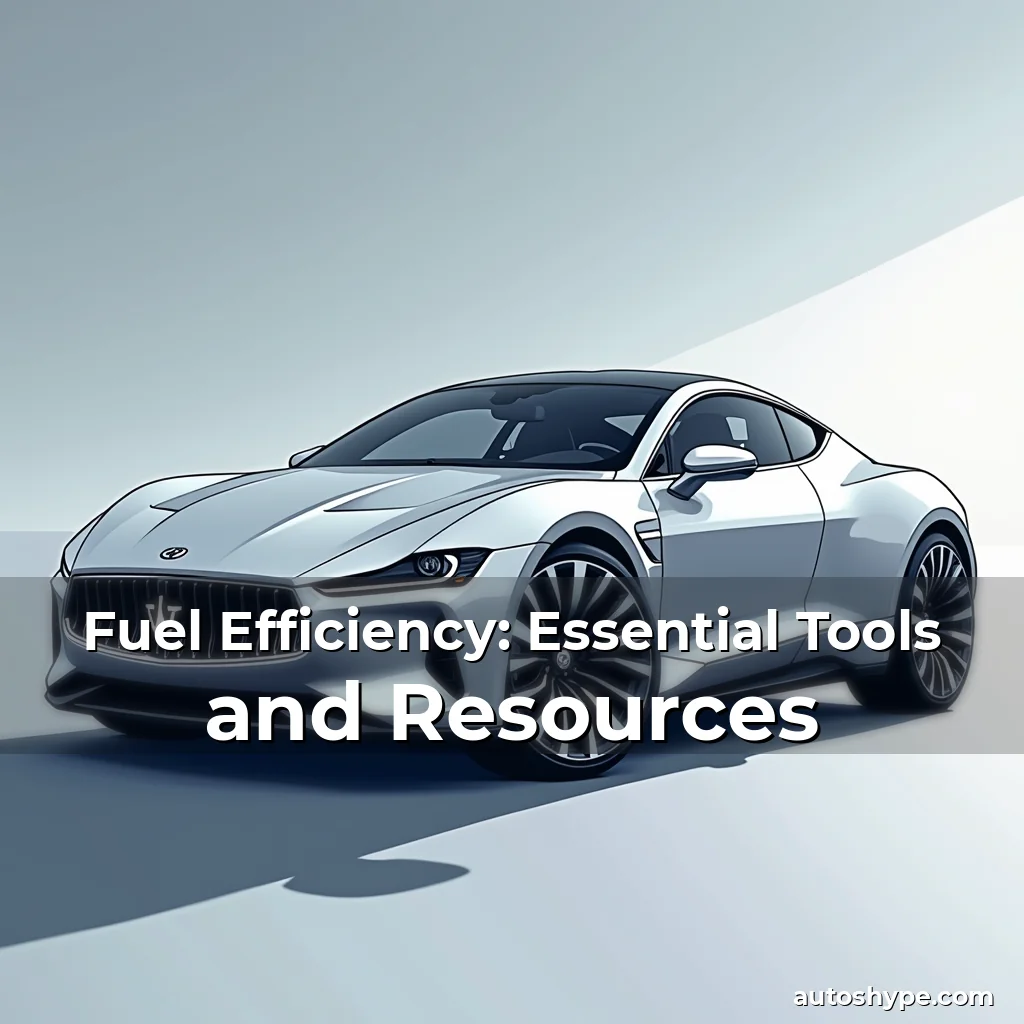
The Ultimate Fuel Efficiency Handbook for Car Enthusiasts
In an era where environmental consciousness meets automotive innovation, fuel efficiency has become a crucial factor for both car enthusiasts and everyday drivers. Whether you’re chasing top-tier performance or aiming for sustainable driving habits, understanding how your vehicle consumes energy is essential.
This guide dives deep into everything related to fuel economy, from practical tips that can save you money at the pump to advanced technologies reshaping modern engines. Discover what makes cars efficient, explore real-world strategies, and learn about upcoming innovations that might change how we think about mileage forever.
Understanding What Influences Fuel Efficiency
Fuel efficiency isn’t solely determined by engine size; numerous factors play significant roles in determining how far your tank will take you. From tire pressure to driving style, every aspect contributes to overall mpg figures.
A well-maintained vehicle performs better than one neglected over time. Regular maintenance ensures components work together seamlessly, minimizing unnecessary strain on the powertrain system.
Tire pressure affects rolling resistance significantly. Underinflated tires increase friction against road surfaces, forcing engines to burn more gasoline simply to maintain speed.
Driving behavior also impacts fuel consumption dramatically. Aggressive acceleration followed by sudden braking creates excessive wear not only on brakes but also increases fuel usage substantially compared to smooth throttle control techniques.
Environmental conditions shouldn’t be overlooked either. Cold weather reduces battery effectiveness while increasing oil viscosity, both requiring extra effort from engines during startup phases which leads to higher initial fuel demands.
- Regular oil changes: Clean motor oil lubricates moving parts efficiently reducing internal engine friction thus improving combustion processes.
- Clean air filters: Unclogged air intakes allow optimal airflow mixing with fuel resulting in complete burns within cylinders rather than partial ones leaving behind wasted hydrocarbons.
- Properly inflated tires: Maintaining recommended psi levels minimizes contact patch area thereby decreasing drag forces acting upon wheels as they rotate across pavement surfaces.
- Reduced weight load: Removing nonessential cargo decreases inertia meaning less force required to move mass forward hence lower fuel expenditure rates particularly noticeable when ascending inclines.
- Useful accessories: Installing aerodynamic add-ons such as spoilers or underbody panels reduce wind resistance especially relevant for high-speed cruising scenarios where air turbulence becomes dominant factor influencing mpg ratings.
Advanced Technologies Enhancing Modern Vehicles’ Efficiency
Vehicles today are equipped with sophisticated systems designed specifically for maximizing fuel economy without sacrificing driver experience. These advancements reflect ongoing research aimed towards greener transportation solutions benefiting consumers financially through reduced operating costs.
One standout feature is the implementation of direct injection technology found increasingly often among newer models. Unlike traditional port-injected setups where fuel gets introduced above intake valves before being drawn into combustion chambers via suction created by piston movement, direct injectors spray combustible mixtures directly inside cylinder heads offering precise metering capabilities leading up improved thermal efficiencies due enhanced atomization characteristics.
Hybrid propulsion architectures represent another leap forward integrating electric motors alongside conventional ICEs allowing vehicles switch seamlessly between power sources depending on current demand profiles ensuring minimal waste generation throughout entire operation cycle.
Regenerative braking systems capture kinetic energy normally lost during deceleration phase converting it back into usable electricity stored within onboard batteries ready for reuse later enhancing overall range particularly beneficial for plug-in hybrid variants capable storing sufficient charge supporting several miles worth travel purely off-grid renewable resources.
Lightweight materials construction methods have evolved considerably lately incorporating carbon fiber reinforced polymers aluminum alloys magnesium composites wherever possible helping manufacturers decrease curb weights appreciably which directly correlates positively toward achieving greater miles per gallon metrics because there’s simply less mass needing propelled forwards consistently.
Eco-Friendly Innovations Shaping Tomorrow’s Cars
Looking ahead reveals exciting possibilities emerging from various sectors focused around sustainability goals aligned closely with governmental regulations pushing automakers toward zero-emission targets achievable through electrification pathways complemented by alternative fuels derived from bio-based feedstocks promising cleaner alternatives currently undergoing extensive testing phases globally.
Beyond merely replacing fossil-derived petroleum products entirely however researchers investigating hydrogen cell applications envision future transport networks operated exclusively using green synthesized H₂ gas produced electrolytically utilizing surplus solar wind generated energies further propelling industry transition away reliance heavy-hydrocarbon compounds traditionally associated detrimental ecological footprints.
Smart connectivity features embedded now many contemporary automobiles facilitate optimized route calculations based live traffic data sensor inputs enabling users navigate most efficient paths avoiding congestion zones saving considerable amounts fuel otherwise squandered idling waiting gridlocked intersections contributing unnecessarily greenhouse gasses emissions.
Data analytics platforms integrated dashboard interfaces provide instantaneous feedback regarding individual driving patterns identifying areas improvement encouraging behavioral adjustments conducive long-term savings associated regular refueling expenses incurred maintaining personal fleet operations sustainably.
Real-World Strategies To Improve Your Vehicle’s Mileage Ratings
Making small yet impactful modifications daily routines combined smart choices regarding equipment selections collectively contribute measurable gains towards increased fuel economies observable even modest alterations practiced regularly consistently overtime yield substantial results.
Scheduling routine inspections keeps mechanical integrity intact preventing potential breakdown issues arising prematurely could lead expensive repairs potentially void warranties issued manufacturer guaranteeing certain standards upheld throughout product lifecycle ensuring continued reliability safety paramount importance consumer satisfaction ultimately reflected resale values retained longer periods post ownership transfers.
Purchasing fuel-efficient grade oils formulated meeting latest API specifications guarantees appropriate viscosity grades suitable diverse climatic regions worldwide preserving engine health regardless seasonal variations encountered frequently experienced urban dwellers encountering extreme temperature fluctuations daily commutes.
Choosing low rolling resistance tires engineered specifically minimize frictional losses encountered translational motion facilitates smoother transitions accelerating decelerating situations enhancing overall responsiveness feel steering wheel transmitting lesser vibrations translating superior handling qualities perceived occupants experiencing heightened comfort levels concurrently conserving precious liquid assets contained fuel tanks.
Employing cruise control functions effectively manages constant velocity settings eliminating need frequent readjustments throttles manual intervention thereby stabilizing RPM ranges optimizing combustion cycles occurring periodically intervals ensuring consistent output maintained irrespective varying external influences affecting traction stability road surface conditions.
How Driving Habits Directly Affect MPG Figures
Your approach behind wheel plays critical role dictating fuel economy achieved throughout lifetime owned automobile. Simple tweaks adopted gradually cultivate mindful awareness surroundings promote conscious decisions aligning financial objectives environmental stewardship simultaneously.
Aggressive behaviors exhibited accelerated starts abrupt halts generate excessive heat buildups within exhaust manifolds catalytic converters degrading their functionalities faster than gentle approaches promoting longevity components involved emission control processes integral maintaining compliance regulatory requirements imposed jurisdictions governing vehicular discharges pollutants atmosphere.
Planning trips strategically consolidates errands single outing diminishing frequency stop-and-go motions prevalent city environments notorious consuming additional liters refined substances relative highway cruising speeds maintained constantly monitored GPS navigators guiding optimal trajectories accounting elevation gradients terrain obstacles preemptively.
Utilizing air conditioning judiciously balances passenger comfort necessity conserving fuel reserves otherwise diverted compressing refrigerants circulating cabin spaces heating ventilation mechanisms imposing added burdens pistons working harder overcome resistance imposed compression ratios affected ambient temperatures fluctuating externally independently driver input.
Keeping windows closed during high-speed drives prevents aerodynamic drag penalties levied against open apertures creating turbulence disrupting laminar flow structures typically observed streamlined bodies gliding smoothly air masses reducing lift forces exerted upward direction counteracting downward gravitational pull assisting tire grip asphalt surfaces efficiently transferring motive power ground accurately.
Best Practices For Maintaining Optimal Performance Levels
Consistent care schedules ensure all aspects remain functioning properly fulfilling intended purposes reliably without unexpected failures interrupting normal service expectations established brand reputation cultivated years supplying quality assurance assurances buyers seeking dependable partners journeying life roads traversing countless miles ahead them.
Changing fluids according specified timelines avoids degradation risks compromising protective barriers shielding vital organs vulnerable corrosion fatigue deterioration natural aging phenomena inevitable passage times regardless preventive measures taken proactive steps executed diligently.
Inspecting belts hoses annually verifies structural integrity remains uncompromised detecting early signs fraying cracks splitting prone occur exposed elements subjected continuous vibration stresses inherent rotating machinery present beneath hoods exteriors vehicles.
Checking battery terminals monthly prevents oxidation buildup restricting electrical conductivity impeding starting procedures necessitating jump-start assistance retrieving cables connecting auxiliary power source temporary solution circumventing prolonged immobilization status detrimental productivity lifestyle balance desired individuals prioritizing timely departures destinations appointments commitments scheduled calendars.
Monitoring brake pad thickness routinely informs necessary replacements before reaching dangerously thin limits jeopardizing stopping distances exceeding legal thresholds endangering lives passengers other road users sharing common thoroughfares navigating complex junctions roundabouts highways interstates wherever applicable.
Top Tips For Saving Gas While On Long Road Trips
Embarking extended journeys requires meticulous preparation ensuring adequate supplies provisions safeguarding wellbeing occupants amidst unpredictable circumstances may arise unexpectedly demanding immediate attention resolving promptly safely.
Packing essentials includes spare tire jack tools flashlight flares emergency blanket first aid kit bottled water snacks flashlights portable phone chargers maps backup navigation devices anticipating technological malfunctions losing signal coverage remote locations lacking cellular infrastructure relying outdated paper counterparts instead.
Calculating fuel needs precisely accounts estimated distance divided projected mpg ratings adjusted conservative estimates factoring potential detours road closures unexpected delays prolonging travel durations exceeding original projections altering consumption quantities accordingly preventing stranded situations midway destinations requiring frantic search nearby stations desperate replenishment attempts futile due depleted reservoir capacities.
Optimizing routes leverages digital mapping services cross-referencing multiple sources selecting least congested corridors avoiding toll roads unless budget permits extra expenditures justified convenience saved time frustrations avoided otherwise.
Limiting distractions enhances concentration improves reaction times responding swiftly changing conditions hazards presented fellow motorists pedestrians wildlife crossing paths unpredictability defining essence dynamic nature open-road experiences emphasizing vigilance attentiveness core principles responsible driving cultivating safer communities mutually respectful interactions shared spaces.
Comparing Hybrid And Electric Vehicle Options Available Today
As interest grows surrounding eco-friendly mobility solutions, discerning differences between available options becomes imperative task undertaking informed purchasing decisions matching personal preferences lifestyle necessities economic constraints considering multifaceted dimensions impacting long-term viability investment returns.
Hybrids combine advantages both internal combustion engines electric motors providing flexibility adapting varied usage scenarios ranging daily commuting hauling goods recreational activities balancing upfront costs recurring operational expenses aligning with different financial priorities individuals households enterprises alike.
Plug-in hybrids offer expanded all-electric driving ranges courtesy larger battery packs rechargeable standard wall outlets charging stations enabling shorter commutes fully powered renewables mitigating dependence petroleum products partially alleviating concerns associated fuel price volatility affecting discretionary spending budgets allocated transportation needs.
All-electric vehicles eliminate tailpipe emissions altogether relying exclusively stored energy harvested clean sources facilitating dramatic reductions carbon footprints contributing climate action agendas pursued governments organizations striving net-zero ambitions by mid-century horizons set forth international agreements ratified global consensus.
However, considerations extend beyond mere emissions numbers encompassing factors including charging infrastructure availability home installation feasibility travel radius limitations influenced battery sizes affecting utility applicability particular lifestyles geographical distributions determining accessibility points convenient refueling locations.
Fuel Economy Certifications You Should Know About
Various certifications exist validating claims made manufacturers regarding efficiency ratings displayed stickers placed dashboards interiors indicating approximate expected performance metrics categorized distinct classes vehicles adhering standardized methodologies evaluating test procedures conducted controlled environments replicating real-world conditions accurately reflecting actual consumption figures experienced ordinary drivers encounter day-to-day routines.
Notable programs include EPA’s Miles Per Gallon estimates calculated through federal protocols measuring consumption levels under specific scenarios simulating typical driving patterns encountered general populace ensuring transparency consistency benchmarks utilized comparing competing models facilitating educated selection process purchasers seeking ideal matches requirements expectations.
Additionally, Greenhouse Gas Rating System assesses impact atmospheric changes attributable respective make model calculating scores representing percentages contribution climate change effects serving dual purpose informing environmentally conscious consumers directing attention toward alternatives producing fewer harmful gases released combusting fuels generating propulsion required transporting loads along designated pathways.
European Union maintains separate categorizations employing Combined Consumption figures combining urban interurban segments mirroring regional disparities prevailing continent influencing design philosophies tailored local markets acknowledging divergent infrastructural developments shaping traffic flows distinct from American counterparts characterized sprawling suburban landscapes requiring larger radii coverage areas served.
These certifications serve educational tool empowering public understanding nuances surrounding advertised numbers distinguishing factual representations promotional exaggerations sometimes misleading absent contextual framing clarifying assumptions underlying computations performed laboratories versus reality faced average users navigating unpredictable variables modifying outcomes consistently.
Future Trends In Automotive Fuel Efficiency Innovation
Ongoing research initiatives spearheaded academia private sector collaborative ventures aim revolutionize current paradigms redefining efficiency metrics surpassing existing boundaries previously deemed insurmountable challenges limiting progress milestones celebrated historical breakthroughs marking transformative shifts industries evolving continuously adapting novel discoveries implemented mainstream productions rapidly.
Development autonomous driving technologies promises substantial improvements fuel economy through optimized routing algorithms predictive maintenance scheduling intelligent traffic management systems coordinating vehicle movements dynamically adjusting speeds spacing intervals reducing idle times congestion hotspots achieving collective benefits participants ecosystems thriving smarter cities leveraging interconnected networks enhancing livability indices measured quality life indicators assessed demographic surveys conducted periodically capturing trends informing policy-making frameworks responsive societal needs.
Advancements artificial intelligence machine learning models enable adaptive tuning parameters fine-tuning ignition timings valve lifts turbocharger pressures real-time basis analyzing vast datasets gathered sensors deployed throughout chassis exteriors interiors interpreting microenvironmental conditions forecasting optimal configurations maintaining peak performance states consistently irrespective variable external stimuli challenging predictability.
Moreover, integration renewable energy storage systems aboard vehicles themselves allows harnessing solar photovoltaic arrays mounted roofs rooftops converting sunlight electricity supplementing onboard batteries extending operational durations reducing dependency stationary power grids especially advantageous rural regions lacking robust infrastructure investments prioritized urban centers already benefitting widespread adoption smart meters monitoring consumption behaviors incentivizing conservation efforts through tiered pricing structures rewarding responsible users appropriately.
Such innovations signify paradigm shift approaching horizon heralding new age sustainable motoring practices harmonizing technological prowess ecological responsibility crafting future wherein efficiency synonymous excellence achievement benchmarked relentless pursuit perfection encapsulated every component system comprising modern automobile ecosystem.
Conclusion
Improving fuel efficiency involves a combination of technical knowledge, strategic planning, and mindful driving habits. By implementing these practices, you’ll not only enhance your vehicle’s performance but also contribute to a more sustainable future for everyone.
Whether you’re looking to cut down on expenses or reduce your environmental footprint, focusing on fuel efficiency provides tangible benefits that go beyond mere cost-saving measures—offering peace of mind knowing each mile traveled reflects commitment towards responsible resource utilization honoring planet Earth’s finite treasures preserved wisely generations ahead.

news is a contributor at AutosHype. We are committed to providing well-researched, accurate, and valuable content to our readers.