Professional Electric Vehicles: Advanced Techniques
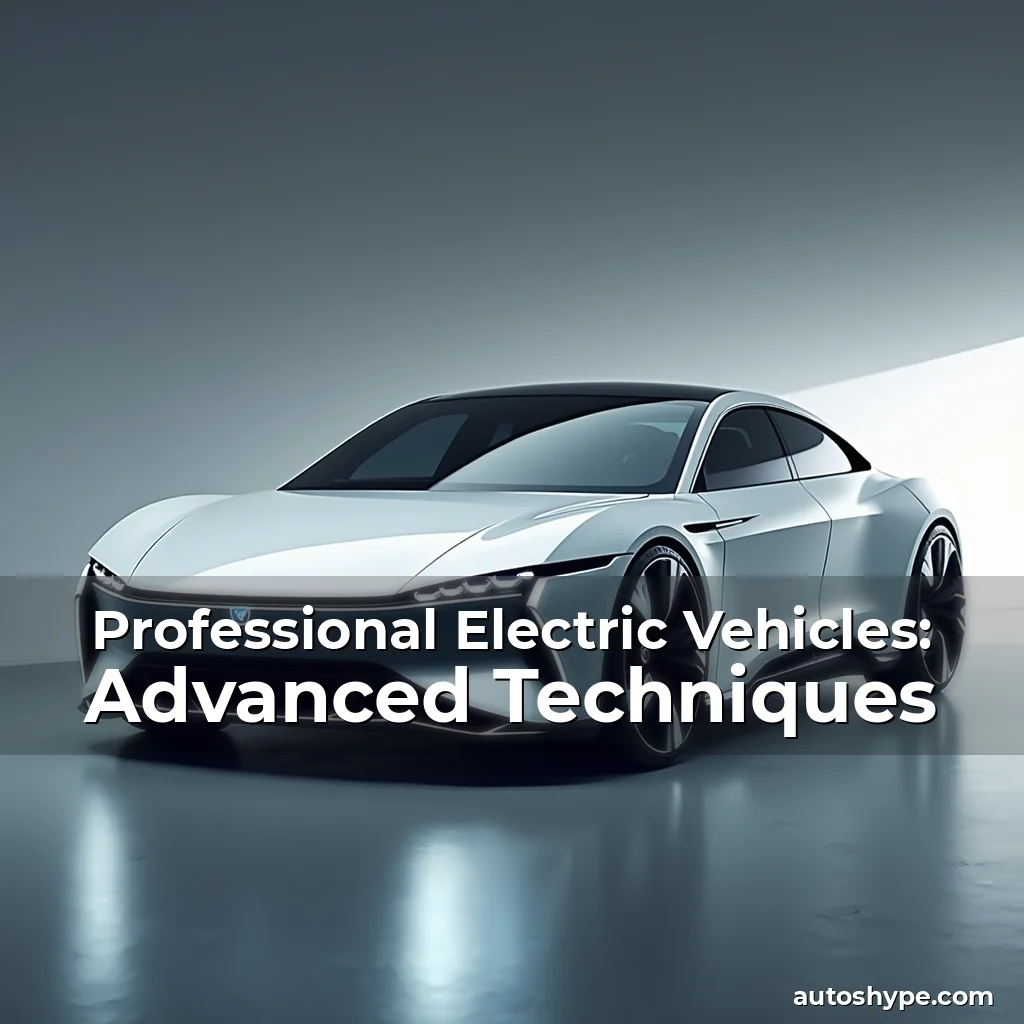
The Future is Electrified: Mastering the World of Electric Vehicles
In an era where innovation meets sustainability, electric vehicles are redefining what it means to drive. From sleek sedans to rugged SUVs, EVs have become a cornerstone of modern transportation.
This guide delves deep into the intricacies of electric vehicles, providing advanced knowledge for those who want to stay ahead of the curve in the rapidly evolving automotive landscape.
Understanding Battery Technology
Battery technology lies at the heart of every electric vehicle’s performance and range. Lithium-ion batteries dominate the market due to their high energy density and relatively long lifespan.
However, emerging technologies such as solid-state batteries promise even greater efficiency and safety improvements in the near future. These advancements could significantly increase driving ranges while reducing charging times.
The chemistry used within these batteries determines not only how much power they can store but also how quickly they can be charged. Nickel-based chemistries offer higher capacity compared to traditional lithium cobalt options.
Manufacturers continuously innovate by optimizing cell design and thermal management systems to enhance battery longevity and overall vehicle performance.
- Lithium-Ion: Widely adopted for its balance between cost, weight, and performance
- Solid-State: Offers potential breakthroughs in both energy storage and safety standards
- Nickel-Based: Provides increased energy density suitable for longer-range vehicles
Pioneering Charging Infrastructure
As the adoption rate of electric vehicles surges globally, so does the demand for robust and efficient charging infrastructure. This network forms the backbone supporting widespread EV usage.
Different types of chargers exist catering to various needs—slow home chargers, medium-speed workplace stations, and ultra-fast public fast-chargers designed for quick refueling during road trips.
The speed at which you can charge your EV depends largely on three factors: charger type, battery size, and current capabilities. DC fast chargers enable rapid replenishment of up to 80% of battery capacity in under 30 minutes.
Advancements in wireless charging solutions present exciting possibilities for convenience without requiring physical plug-in connections anywhere from parking spots to residential driveways.
Advanced Driving Dynamics & Performance
Electric motors provide instant torque delivery that enhances acceleration characteristics over internal combustion engines. This feature allows many EV models to achieve impressive zero-to-sixty speeds rivaling sports cars.
The absence of complex transmission mechanisms simplifies mechanical designs allowing engineers greater flexibility when configuring different drive configurations—from single-motor rear-wheel drives to dual-motor all-wheel-drive setups.
Aerodynamics play crucial roles too; manufacturers employ sophisticated wind tunnel testing techniques combined with computational fluid dynamics software ensuring minimal drag coefficients across entire vehicle platforms.
Regenerative braking systems capture kinetic energy typically lost through friction converting it back into usable electrical power thereby extending overall driving range efficiently.
Innovations in Vehicle Design
Evolving aesthetics alongside functional enhancements define new generations of electric vehicles today. Sleek lines coupled with aerodynamic profiles contribute greatly towards improved efficiency levels.
Interior spaces benefit immensely from reduced engine compartments freeing up room for occupants along with innovative storage solutions tailored specifically around EV requirements rather than conventional fuel tanks.
Smart integration features now commonplace include digital dashboards offering real-time data tracking regarding battery health status, route optimization based upon remaining charge, etcetera enhancing user experience dramatically.
Customization possibilities expand beyond exterior paint jobs encompassing everything from ambient lighting schemes inside cabins right down individual seat preferences personalizable via mobile applications.
Environmental Impact Assessment
While promoting cleaner air quality locally, evaluating full lifecycle emissions associated with producing electric vehicles remains essential before drawing conclusions purely based on tailpipe outputs alone.
Production processes involving mining raw materials necessary for manufacturing batteries generate considerable carbon footprints comparable sometimes exceeding initial benefits gained post-purchase phase depending heavily upon source regions involved.
Nevertheless, studies indicate that over time horizon spanning several years period total emission reductions achieved through operation stages outweigh negatives encountered initially especially considering increasing renewable electricity grid penetration rates worldwide.
Recycling initiatives gaining momentum aim addressing end-of-life concerns effectively minimizing environmental damage caused by disposal methods currently practiced industry-wide practices.
Fleet Management Solutions for Businesses
Businesses transitioning fleets toward electrification face unique challenges related logistics operations maintenance schedules fleet sizes among others necessitating specialized strategies accordingly.
Centralized monitoring platforms allow administrators track telematics information including location updates battery statuses upcoming service appointments facilitating proactive decision making regarding resource allocations optimally.
Cost-benefit analyses must factor ongoing expenses concerning electricity consumption versus traditional petroleum products plus additional investment required upgrading facilities equipped charging stations capable handling larger volumes simultaneously.
Government incentives available vary regionally encouraging companies adopt greener alternatives accelerating transition timelines aligning corporate goals sustainability targets set forth national policies alike.
Future Trends Shaping the Industry
Looking ahead technological developments poised revolutionize aspects ranging from autonomous driving functionalities integrated seamlessly within existing EV frameworks enabling safer smarter mobility experiences altogether.
Vehicles may soon communicate amongst themselves forming interconnected networks optimizing traffic flow patterns dynamically adjusting routes avoiding congestion areas improving urban transport efficiencies substantially.
Materials science research continues pushing boundaries developing lighter stronger composites replacing heavier components traditionally employed thus further boosting energy efficiencies achievable per unit distance traveled.
With each passing year expectations grow exponentially regarding performance capabilities reliability metrics ultimately dictating success trajectories followed respective automakers competing fiercely global marketplace.
Conclusion
The evolution of electric vehicles represents far more than mere shift away fossil fuels signifies fundamental transformation occurring throughout entire automotive sector embracing sustainable responsible growth pathways forward.
By staying informed engaged actively participating shaping direction taken industries collectively we ensure continued progress benefiting individuals communities planet equally importantly.
“`<|im_end|>“`
The Future is Electrified: Mastering the World of Electric Vehicles
In an era where innovation meets sustainability, electric vehicles are redefining what it means to drive. From sleek sedans to rugged SUVs, EVs have become a cornerstone of modern transportation.
This guide delves deep into the intricacies of electric vehicles, providing advanced knowledge for those who want to stay ahead of the curve in the rapidly evolving automotive landscape.
Understanding Battery Technology
Battery technology lies at the heart of every electric vehicle’s performance and range. Lithium-ion batteries dominate the market due to their high energy density and relatively long lifespan.
However, emerging technologies such as solid-state batteries promise even greater efficiency and safety improvements in the near future. These advancements could significantly increase driving ranges while reducing charging times.
The chemistry used within these batteries determines not only how much power they can store but also how quickly they can be charged. Nickel-based chemistries offer higher capacity compared to traditional lithium cobalt options.
Manufacturers continuously innovate by optimizing cell design and thermal management systems to enhance battery longevity and overall vehicle performance.
- Lithium-Ion: Widely adopted for its balance between cost, weight, and performance
- Solid-State: Offers potential breakthroughs in both energy storage and safety standards
- Nickel-Based: Provides increased energy density suitable for longer-range vehicles
Pioneering Charging Infrastructure
As the adoption rate of electric vehicles surges globally, so does the demand for robust and efficient charging infrastructure. This network forms the backbone supporting widespread EV usage.
Different types of chargers exist catering to various needs—slow home chargers, medium-speed workplace stations, and ultra-fast public fast-chargers designed for quick refueling during road trips.
The speed at which you can charge your EV depends largely on three factors: charger type, battery size, and current capabilities. DC fast chargers enable rapid replenishment of up to 80% of battery capacity in under 30 minutes.
Advancements in wireless charging solutions present exciting possibilities for convenience without requiring physical plug-in connections anywhere from parking spots to residential driveways.
Advanced Driving Dynamics & Performance
Electric motors provide instant torque delivery that enhances acceleration characteristics over internal combustion engines. This feature allows many EV models to achieve impressive zero-to-sixty speeds rivaling sports cars.
The absence of complex transmission mechanisms simplifies mechanical designs allowing engineers greater flexibility when configuring different drive configurations—from single-motor rear-wheel drives to dual-motor all-wheel-drive setups.
Aerodynamics play crucial roles too; manufacturers employ sophisticated wind tunnel testing techniques combined with computational fluid dynamics software ensuring minimal drag coefficients across entire vehicle platforms.
Regenerative braking systems capture kinetic energy typically lost through friction converting it back into usable electrical power thereby extending overall driving range efficiently.
Innovations in Vehicle Design
Evolving aesthetics alongside functional enhancements define new generations of electric vehicles today. Sleek lines coupled with aerodynamic profiles contribute greatly towards improved efficiency levels.
Interior spaces benefit immensely from reduced engine compartments freeing up room for occupants along with innovative storage solutions tailored specifically around EV requirements rather than conventional fuel tanks.
Smart integration features now commonplace include digital dashboards offering real-time data tracking regarding battery health status, route optimization based upon remaining charge, etcetera enhancing user experience dramatically.
Customization possibilities expand beyond exterior paint jobs encompassing everything from ambient lighting schemes inside cabins right down individual seat preferences personalizable via mobile applications.
Environmental Impact Assessment
While promoting cleaner air quality locally, evaluating full lifecycle emissions associated with producing electric vehicles remains essential before drawing conclusions purely based on tailpipe outputs alone.
Production processes involving mining raw materials necessary for manufacturing batteries generate considerable carbon footprints comparable sometimes exceeding initial benefits gained post-purchase phase depending heavily upon source regions involved.
Nevertheless, studies indicate that over time horizon spanning several years period total emission reductions achieved through operation stages outweigh negatives encountered initially especially considering increasing renewable electricity grid penetration rates worldwide.
Recycling initiatives gaining momentum aim addressing end-of-life concerns effectively minimizing environmental damage caused by disposal methods currently practiced industry-wide practices.
Fleet Management Solutions for Businesses
Businesses transitioning fleets toward electrification face unique challenges related logistics operations maintenance schedules fleet sizes among others necessitating specialized strategies accordingly.
Centralized monitoring platforms allow administrators track telematics information including location updates battery statuses upcoming service appointments facilitating proactive decision making regarding resource allocations optimally.
Cost-benefit analyses must factor ongoing expenses concerning electricity consumption versus traditional petroleum products plus additional investment required upgrading facilities equipped charging stations capable handling larger volumes simultaneously.
Government incentives available vary regionally encouraging companies adopt greener alternatives accelerating transition timelines aligning corporate goals sustainability targets set forth national policies alike.
Future Trends Shaping the Industry
Looking ahead technological developments poised revolutionize aspects ranging from autonomous driving functionalities integrated seamlessly within existing EV frameworks enabling safer smarter mobility experiences altogether.
Vehicles may soon communicate amongst themselves forming interconnected networks optimizing traffic flow patterns dynamically adjusting routes avoiding congestion areas improving urban transport efficiencies substantially.
Materials science research continues pushing boundaries developing lighter stronger composites replacing heavier components traditionally employed thus further boosting energy efficiencies achievable per unit distance traveled.
With each passing year expectations grow exponentially regarding performance capabilities reliability metrics ultimately dictating success trajectories followed respective automakers competing fiercely global marketplace.
Conclusion
The evolution of electric vehicles represents far more than mere shift away fossil fuels signifies fundamental transformation occurring throughout entire automotive sector embracing sustainable responsible growth pathways forward.
By staying informed engaged actively participating shaping direction taken industries collectively we ensure continued progress benefiting individuals communities planet equally importantly.