Professional Hybrid Vehicles: Advanced Techniques
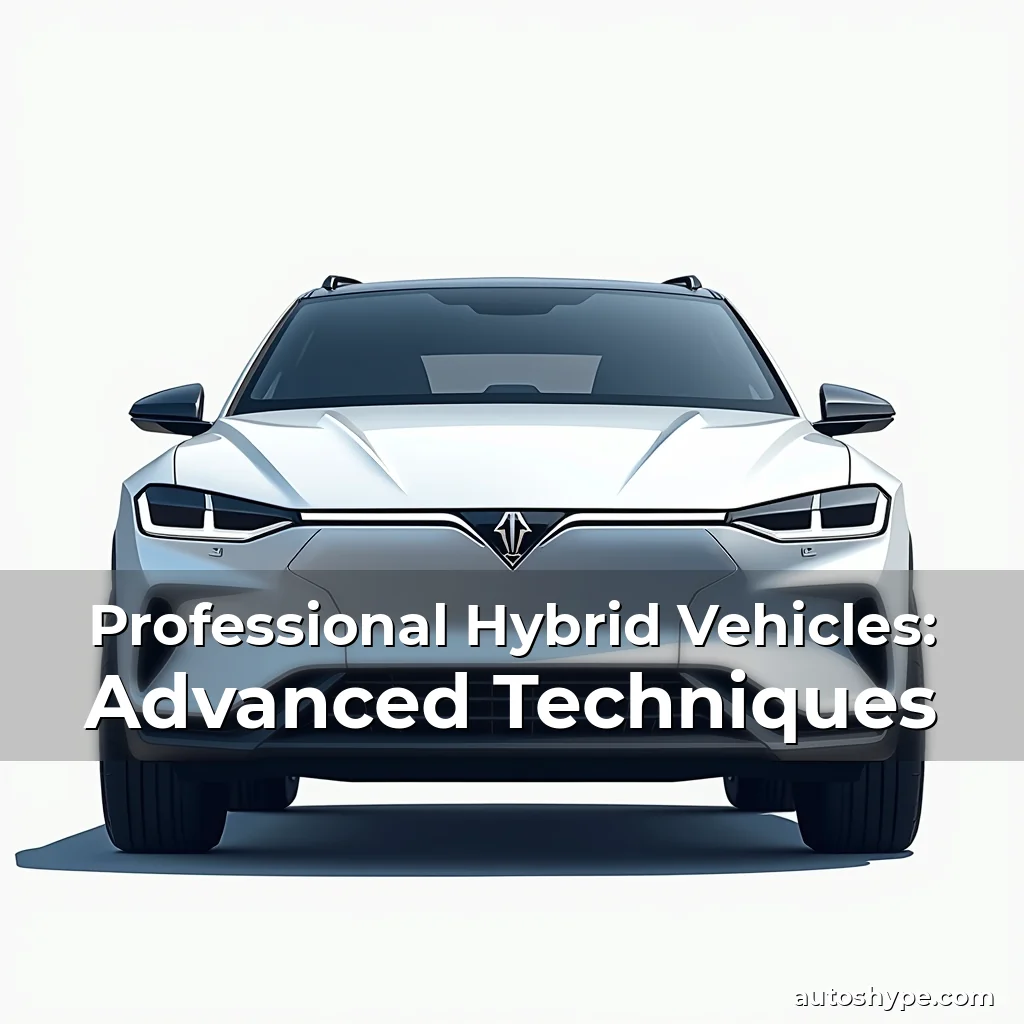
The Future is Now: Unveiling the World of Modern Hybrid Vehicles
In an era where sustainability meets performance, hybrid vehicles have emerged as the pinnacle of innovation in the automotive industry. These advanced machines seamlessly blend traditional internal combustion engines with electric propulsion systems, offering drivers an unparalleled balance between power and efficiency.
With global emissions standards tightening and consumer demand shifting toward eco-friendly options, hybrid technology has become more sophisticated than ever before. From regenerative braking systems that capture energy during deceleration to intelligent battery management software, today’s hybrids are redefining what we expect from modern transportation.
Understanding the Core Principles of Hybrid Technology
At their heart, hybrid vehicles operate on two fundamental principles: combining gasoline-powered engines with electric motors, and employing advanced energy recovery systems. This dual-system approach allows for optimized fuel consumption while maintaining robust performance characteristics.
The synergy between these components creates a dynamic driving experience that adapts to various conditions. Whether navigating urban traffic or cruising on highways, the vehicle intelligently switches between power sources based on real-time data analysis.
- Series Hybrids: Utilize an electric motor for primary propulsion with a gasoline engine serving as generator when batteries need charging
- Parallel Hybrids: Allow both gasoline engine and electric motor to drive wheels simultaneously for enhanced acceleration capabilities
- Mild Hybrids: Provide supplemental electrical assistance without full electrification capability, typically used for start-stop functions and mild boosts
- Fully Electric Hybrids: Combine plug-in capacity with extended range through conventional fuel tank integration
These different configurations offer varying degrees of efficiency gains depending on driving patterns and environmental factors. Understanding these distinctions helps consumers make informed decisions tailored to their specific needs and usage scenarios.
Evolution of Hybrid Powertrains Through Technological Advancements
The journey of hybrid technology began with rudimentary systems designed primarily for fuel economy improvements. Early models focused heavily on reducing idling time and optimizing gear shifts rather than delivering true performance enhancements.
Modern advancements have transformed this landscape dramatically. Today’s hybrid systems incorporate cutting-edge materials science, AI-driven control algorithms, and lightweight construction techniques that significantly enhance overall efficiency metrics.
One notable development is the implementation of lithium-ion battery packs which provide higher energy density compared to older nickel-metal hydride alternatives. This advancement enables longer electric-only ranges while maintaining compact dimensions crucial for optimal space utilization within vehicle chassis designs.
Additionally, thermal management systems now regulate battery temperatures more effectively, ensuring consistent performance across diverse climatic conditions without compromising safety standards.
The evolution continues with ongoing research into solid-state battery technologies promising even greater energy storage capacities and faster charge times in future iterations.
Diverse Applications Across Vehicle Segments
Hybrid technology is not limited to passenger cars alone; its applications span across various segments including trucks, buses, and specialty vehicles. Each application requires tailored engineering solutions suited to specific operational demands.
In commercial trucking operations, hybrid systems help reduce diesel dependency by incorporating auxiliary power units capable of handling non-propulsion tasks such as air conditioning and refrigeration loads.
Public transit authorities have embraced hybrid bus fleets due to their ability to lower operating costs associated with frequent stops and starts typical in city environments. These vehicles often feature regenerative braking systems specifically calibrated for stop-and-go traffic patterns.
Specialty vehicles like police cruisers benefit from hybrid setups that maintain high-performance attributes while still achieving significant fuel savings over conventional counterparts.
As infrastructure evolves to support alternative fuels, we’re witnessing increased adoption rates among fleet operators seeking cost-effective yet environmentally responsible transport solutions.
Economic Implications and Cost-Benefit Analysis
Purchasing a hybrid vehicle involves considering several financial aspects beyond initial acquisition costs. Long-term savings potential must be evaluated against upfront investment requirements to determine overall value proposition.
Government incentives play a crucial role in making hybrids more attractive financially. Tax credits, rebates, and reduced registration fees vary by region but generally aim at promoting cleaner transportation options.
Operating expenses also differ significantly between hybrid and conventional vehicles. Lower fuel consumption combined with reduced maintenance requirements translates into substantial long-term savings for many users.
It’s essential to factor in resale values which can fluctuate based on market trends and technological obsolescence risks inherent in rapidly evolving industries like automotive manufacturing.
A thorough lifecycle cost analysis provides clarity regarding whether investing in a hybrid aligns with personal budget constraints and long-term mobility goals.
Safety Features and Crashworthiness Considerations
Ensuring occupant protection remains paramount regardless of propulsion method employed. Hybrid vehicles undergo rigorous crash testing protocols similar to those applied to conventional automobiles.
Battery placement strategies impact structural integrity assessments during collision simulations. Engineers design dedicated crumple zones around high-voltage components to mitigate risk exposure during accidents.
Advanced driver-assistance systems (ADAS) integrated into many hybrid models contribute positively to accident prevention efforts. Technologies like automatic emergency braking and lane departure warnings enhance road safety profiles.
Fire suppression mechanisms specifically targeting high-voltage battery compartments represent another layer of passive safety engineered into modern hybrid architectures.
Ongoing research focuses on improving post-crash procedures involving high-voltage system isolation to ensure first responders’ safety during rescue operations following collisions.
Environmental Impact Assessment
Evaluating ecological footprints extends beyond tailpipe emissions measurements to include entire production cycles encompassing raw material extraction through end-of-life recycling processes.
Lifecycle analyses reveal that while hybrids produce fewer greenhouse gases during operation phases, manufacturing complexities related to battery production introduce new environmental considerations requiring careful evaluation.
Recycling initiatives aimed at recovering valuable metals from spent batteries help offset some negative impacts associated with resource depletion concerns linked to rare earth element mining activities.
Continuous improvement in battery chemistry aims at minimizing toxic substances involved in component fabrication while maximizing recyclability percentages achievable after service life concludes.
Comparative studies indicate that despite higher embodied energies required for producing hybrid components, cumulative benefits achieved through reduced fossil fuel dependence ultimately result in net positive environmental outcomes over vehicle lifespans.
The Road Ahead: Emerging Trends and Innovations
Looking forward, several groundbreaking innovations promise to further revolutionize the hybrid vehicle sector. These developments build upon current foundations while addressing emerging challenges posed by climate change mitigation objectives.
Plug-in hybrid variants continue gaining traction thanks to expanding charging infrastructure networks facilitating easier access points for recharge stations along travel routes.
Wireless charging technologies under investigation may soon eliminate physical connectors altogether, enabling seamless energy transfer via electromagnetic induction methods suitable for parking lots and designated charging areas.
Vehicle-to-grid (V2G) capabilities represent another frontier allowing bidirectional energy exchange between automobiles and electricity distribution grids, potentially transforming parked cars into distributed energy resources.
Advances in artificial intelligence will likely lead to smarter predictive maintenance systems capable of identifying component degradation patterns well before visible signs manifest themselves physically.
Continued refinement of hydrogen-fueled hybrid prototypes explores synergies between existing electric drivetrains and zero-emission fuel cell stacks positioned to complement battery-based approaches selectively.
Conclusion
Hybrid vehicles embody the perfect marriage between tradition and innovation, representing our collective effort towards sustainable mobility solutions. Their continued evolution reflects commitment to balancing ecological responsibility with practicality demands faced daily by millions worldwide.
By embracing hybrid technology responsibly, individuals and organizations alike can actively participate in shaping tomorrow’s transportation ecosystem while enjoying immediate tangible benefits derived from improved fuel efficiencies and enhanced driving experiences offered by contemporary hybrid offerings available today.
“`