
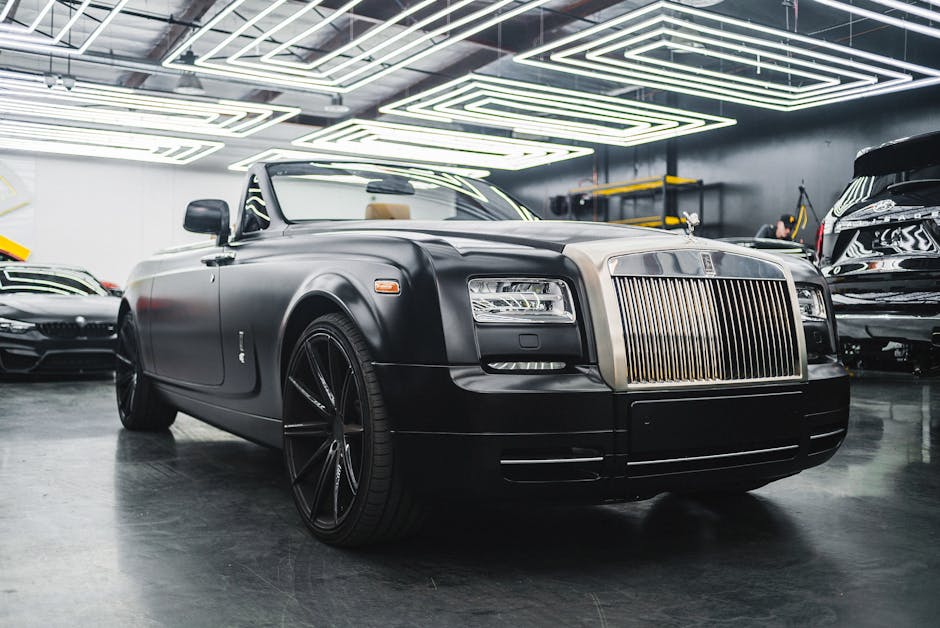
The Evolution of Automotive Aesthetics: Unveiling the Future of Car Design Trends in 2024
In an era where innovation fuels every aspect of life, the world of automobile design is undergoing a dramatic transformation. From sleek curves that whisper efficiency to bold statements made by cutting-edge materials, today’s vehicles are not merely modes of transportation but expressions of personal identity and technological prowess.
This article delves deep into the most influential car design trends shaping the automotive landscape in 2024. We’ll explore how designers are reimagining traditional forms through sustainability initiatives, digital integration, and a renewed emphasis on human-centric ergonomics. Whether you’re a seasoned enthusiast or new to the scene, these insights will illuminate what makes modern cars both functional masterpieces and visual marvels.
Redefining Sleekness Through Aerodynamic Mastery
Aerodynamics has always been at the forefront of vehicle engineering, but contemporary designs have elevated this principle to unprecedented levels. Modern cars now feature meticulously sculpted bodies that reduce drag while enhancing performance characteristics across various driving conditions.
Vehicles from manufacturers such as Tesla and BMW showcase smooth transitions between panels and strategically placed air vents designed to channel airflow efficiently around the chassis. These innovations contribute significantly to improved fuel economy without compromising aesthetic appeal.
Designers employ computational fluid dynamics (CFD) simulations extensively during development phases to optimize shapes before any physical prototypes exist. This approach allows engineers to test numerous configurations virtually, ensuring optimal results with minimal material waste.
Certain models incorporate active aerodynamics elements like deployable spoilers or underbody diffusers which adjust based on speed or cornering needs. Such features exemplify how form follows function in today’s high-performance automobiles.
- Sleek profiles: Streamlined body contours minimize turbulence, leading to better highway speeds and reduced energy consumption.
- Integrated ducting systems: Carefully positioned intake slots direct cooling air precisely towards critical components while maintaining visual harmony.
- Biomimicry influences: Nature-inspired geometries mimic efficient flow patterns found in marine life or bird wings for enhanced aerostability.
Sustainable Materials Revolutionizing Vehicle Construction
As environmental consciousness becomes increasingly paramount within global industries, automakers are turning their attention toward sustainable alternatives that don’t compromise quality or aesthetics. The shift away from conventional plastics and metals marks a pivotal moment in automotive history.
Recycled aluminum alloys and bio-based composites are gaining traction due to their lighter weight compared to traditional counterparts. Companies like Toyota and Ford have successfully integrated these materials into production lines, proving that eco-friendliness can coexist with robust construction standards.
Moreover, bioplastics derived from plant sources offer promising solutions for interior trimmings and exterior moldings. Their ability to withstand extreme temperatures combined with lower carbon footprints makes them ideal candidates replacing petroleum-derived polymers.
Some pioneering brands experiment with mycelium-infused fabrics for upholstery applications. These organic materials provide natural insulation properties alongside antimicrobial benefits—an innovative step forward in creating healthier cabin environments.
Despite initial challenges regarding cost-effectiveness and supply chain reliability, continued investment in research & development ensures that sustainable options become progressively viable over time. As consumer demand rises, so does industry commitment towards greener manufacturing practices.
Digital Integration Redefining Interior Spaces
Interior design paradigms are experiencing seismic shifts driven largely by advancements in connectivity technologies. Traditional dashboards giving way to minimalist interfaces reflect broader societal moves towards simplicity amidst information overload.
Touchscreen displays dominate center consoles now serving dual purposes—navigation assistance plus entertainment controls—all consolidated onto single intuitive platforms. Brands like Mercedes-Benz utilize augmented reality overlays projecting vital road data directly onto windshields via heads-up display technology.
Customizable ambient lighting schemes allow occupants to tailor moods inside cabins effortlessly. Some premium offerings even permit synchronization with mobile devices enabling personalized settings across different vehicles owned by same individual.
Haptic feedback mechanisms embedded beneath steering wheels enhance driver interaction experiences making touch commands feel tangible rather than abstract gestures alone. This tactile engagement fosters safer operation especially when multitasking behind wheel.
Biometric authentication systems represent another frontier wherein fingerprint scanners replace key fobs entirely allowing seamless entry without needing physical keys ever again. Such convenience factors undoubtedly influence purchasing decisions among tech-savvy demographics.
Ultimately, interiors evolve beyond mere utility spaces transforming instead into immersive digital ecosystems tailored specifically according to user preferences through continuous learning algorithms powered by AI capabilities.
Human-Centric Ergonomics Shaping New Standards
Ergonomic considerations play crucial roles determining comfort levels experienced daily by drivers regardless of age groups involved. Manufacturers prioritize adjustable seating positions accommodating diverse body types effectively minimizing fatigue during long journeys.
Adaptive suspension systems respond dynamically adjusting firmness depending upon terrain encountered thereby providing balanced ride qualities irrespective external conditions faced outside window panes. Luxury segments particularly emphasize these features highlighting bespoke customization possibilities available exclusively thereon.
Panoramic sunroofs expanding open sky visibility create sense spaciousness counteracting claustrophobic feelings often associated enclosed environments typical closed vehicles. Enhanced ventilation strategies ensure adequate airflow circulation preventing stuffiness issues commonly reported passengers traveling extended distances.
Dashboard layouts undergo redesign efforts focusing legibility aspects prioritizing essential functions prominently displayed against less critical ones relegated secondary placements reducing cognitive load required interpreting complex instrument clusters previously seen standard setups.
User interface simplification remains ongoing endeavor aiming eliminate unnecessary clutter promoting focused attention necessary safe driving practices amid increasing distractions present modern highways filled electronic billboards advertisements etcetera.
Accessibility enhancements cater special needs communities incorporating voice recognition software enabling hands-free operations beneficial individuals challenged manual dexterity limitations stemming disabilities affecting upper extremities.
These collective improvements signify paradigmatic change occurring steadily within automotive sector reflecting heightened awareness surrounding health implications related prolonged exposure sedentary postures typical vehicular travel scenarios nowadays.
Artistic Expression Meets Engineering Precision
While technical specifications dictate baseline requirements governing structural integrity safety compliance regulations imposed governmental agencies worldwide, artistic flair determines distinguishing features setting apart competitors vying market share annually released model years.
Automotive designers operate intersectionality between creative visions mathematical calculations ensuring final products achieve harmonious balance satisfying both aesthetic expectations functional necessities simultaneously. This delicate dance requires exceptional skill mastery honed decades rigorous training professional development programs offered prestigious institutions globally recognized excellence benchmarks.
Cultural influences permeate design choices manifesting regional preferences reflected stylistic motifs incorporated respective national markets served international presence established multinational corporations seeking universal appeal transcending geographical boundaries separating continents oceans.
Color palettes selected deliberately considering psychological effects hues evoke emotions influencing buyer behavior decisions made purchase moments encountering showroom floors displaying latest releases awaiting eager customers prepared spend considerable sums acquiring dream machines embodying ideals aspirations held deeply cherished possessions symbolizing status achievements earned hard work invested pursuing passions pursued relentlessly.
Typography employed branding identities reinforces brand equity cultivating loyal followings identifying instantly familiar logos emblems synonymous particular companies known producing superior craftsmanship innovation leadership sectors they reside dominating fiercely competitive landscapes requiring constant reinvention staying relevant evolving tastes shifting priorities consumers demanding more each subsequent generation born digitally native generations growing up surrounded smart devices ubiquitous internet connections reshaping expectations permanently altering definitions ownership experience altogether.
Autonomous Driving Technologies Reshaping Exterior Forms
With autonomous driving becoming increasingly prevalent, exterior design principles must adapt accordingly to accommodate sensor arrays and other advanced hardware essential for self-driving functionalities. This evolution presents unique opportunities for redefining classic vehicle silhouettes traditionally constrained by mechanical constraints.
Manufacturers like Waymo and Cruise integrate LiDAR units, radar sensors, and cameras seamlessly into exteriors without disrupting overall aesthetic continuity. These additions facilitate real-time environment mapping crucial for navigation accuracy and collision avoidance protocols inherent automated systems.
Vehicle heights may increase slightly to house additional computing infrastructure required processing vast amounts of data continuously streamed from myriad onboard sensors monitoring surroundings perpetually. However, careful placement ensures these modifications remain subtle enough preserving iconic proportions beloved by enthusiasts.
Transparent OLED screens embedded along side windows serve dual purposes – showcasing dynamic graphics illustrating route progress while also functioning as interactive surfaces enabling passenger engagement activities unrelated primary driving tasks assigned artificial intelligence modules managing operational duties autonomously.
Future iterations could see modular exteriors allowing users customize appearances according to occasion preference similar fashion industry approaches tailoring outfits matching events attended. Such flexibility would redefine personal expression avenues hitherto limited static forms incapable adaptation whims changing circumstances.
As we transition further into fully autonomous eras, expect radical departures from current conventions potentially abandoning traditional grille structures altogether since front-facing sensors negate necessity decorative elements once central focal points defining brand identities unmistakably recognizable instantaneously.
Electrification Inspiring Radical Reimaginings
The rise of electric vehicles (EVs) has sparked a revolution in design philosophies, challenging long-standing norms dictated primarily by internal combustion engines’ requirements. With absence bulky engine compartments necessitating space allocations previously reserved powertrain assemblies, designers embrace newfound freedom crafting unconventional silhouettes unbound historical precedents.
Electric motors occupying significantly smaller footprint compared gasoline counterparts liberating precious interior volume facilitating expanded cargo capacities or luxury amenities otherwise impossible achieve within confines traditional layout frameworks established centuries ago. This spatial advantage manifests visibly through elongated wheelbases extending rearward creating distinctive profiles difficult reconcile previous dimensional parameters.
Moreover, flat battery packs situated underneath floorboards enable low center gravity contributing stability handling attributes rivaling sports cars despite heavier weights attributable larger cells required sustaining longer ranges demanded frequent travelers dependent reliable transport networks spanning extensive territories regularly traversed weekly routines.
Designers exploit asymmetrical styling techniques emphasizing futuristic allure achieved through angular edges sharp creases juxtaposed curved surfaces forming striking contrasts visually arresting attention drawn viewers appreciating avant-garde interpretations defying conventional wisdom adhering rigid guidelines formerly considered non-negotiable absolutes guiding every curve contour defined automotive lexicon.
Additionally, regenerative braking systems eliminating need traditional brake pedals introduces novel control schemes requiring recalibration expectations drivers accustomed sequential engagements reliant frictional resistance deceleration processes typically engaged manually whenever desired slowdown occurred spontaneous decision-making instances encountered unpredictable traffic situations.
Such transformative changes underscore profound implications extending far beyond superficial alterations impacting fundamental interactions maintained between occupants machinery themselves fundamentally reconfiguring relationship shared entities composed intricate web interdependencies sustaining mobility ecosystem continually evolving adapting emerging demands presented future horizons yet unveiled.
Personalization Options Expanding Beyond Expectations
Modern car buyers seek greater involvement shaping end-products reflecting individuality desires manifested through customizable packages offering endless combinations catering niche preferences distinct personalities distinguishing mass-produced commodities unique creations tailored specifically requesting parties.
From paint finishes featuring pearlescent undertones responding light angles casting iridescent glows reminiscent ocean waves crashing shores, to custom stitching patterns woven leather upholstery mimicking textures natural fibers harvested sustainably managed forests, every detail matters conveying messages silent conversations spoken language expressing values upheld lifestyle choices embraced consciously lived lives.
Interior scent systems infused aromatic essences varying floral notes citrus zest woody undertones provide olfactory stimulation enhancing mood elevating ambiance transforming mundane commutes exhilarating adventures embarked upon daily schedules packed back-to-back appointments appointments meetings deadlines milestones celebrated triumphantly amidst chaotic urban environments pulsating ceaselessly never sleeping never resting perpetually moving forward momentum fueled relentless ambition chasing dreams realized through tireless dedication perseverance overcoming obstacles confronted head-on confronting adversity squarely facing fears courageously embracing uncertainty bravely stepping unknown realms discovering treasures hidden depths unfathomable mysteries waiting revelation.
Even exterior accessories such as roof racks, mud flaps, or LED accent strips become canvases for self-expression allowing owners transform stock configurations into personalized masterpieces echoing innermost thoughts aspirations hopes dreams encapsulated metallic shells roaring down highways arteries cities veins connecting distant locations converging destinations sought relentlessly pursued passionately.
Advanced telematics platforms enable remote configuration adjustments modifying seat positions climate controls entertainment selections pre-programmed settings accessible smartphone apps anytime anywhere ensuring consistency preferred environments replicated faithfully wherever travels take place regardless location visited navigated explored discovered.
This level of customization extends even to vehicle performance tuning allowing enthusiasts tweak throttle responses gearshift timings torque distributions optimizing driving dynamics aligning perfectly personal styles whether preferring spirited acceleration aggressive maneuvers or serene cruising scenic routes winding roads lined trees swaying gently breeze carrying whispers secrets nature revealed only those willing listen closely enough discern subtle nuances escaping notice hurried glances fleeting moments passing quickly dissipating like smoke rising chimney nightfall settling darkness.
The Rise of Modular Architecture in Contemporary Vehicles
Modular architecture represents a significant leap forward in automotive design, allowing manufacturers to build versatile platforms capable of supporting a wide range of vehicle types—from compact hatchbacks to full-size SUVs—with minimal changes. This approach streamlines production processes while fostering innovation across various segments simultaneously.
By utilizing common components such as chassis frames, suspension systems, and powertrains, automakers can reduce costs substantially and accelerate development timelines dramatically. Volkswagen Group’s MQB platform exemplifies this strategy, demonstrating how standardized parts can yield diverse models without sacrificing quality or performance standards.
Furthermore, modular architectures facilitate easier upgrades and maintenance, as replacement parts tend to be interchangeable across different models produced using identical base structures. This compatibility enhances customer satisfaction by ensuring availability of spare components and reducing repair times considerably.
Environmental benefits accompany these efficiencies too; streamlined manufacturing reduces waste generated during assembly stages whereas recyclability improves markedly thanks uniformity among materials used consistently throughout entire product lineups. Thus, sustainability objectives align naturally with economic advantages provided flexible framework supports continual evolution industry needs fluctuate rapidly pace technological advancement occurs exponentially.
However, successful implementation hinges upon meticulous planning upfront designing adaptable subsystems compatible evolving technologies anticipated future developments likely occur horizon. Collaborative efforts between engineers designers crucial achieving equilibrium functionality aesthetics durability innovation potential unlocked through intelligent structuring foundational elements composing whole vehicle entities operating complex ecosystems demanding precise coordination multifaceted variables interacting dynamically constantly.
As competition intensifies among OEMs striving differentiate offerings saturated marketplace flooded countless options bewildering consumers overwhelmed choices paralyzing indecision crippling purchasing power rendered ineffective unless guided expertly knowledgeable advisors equipped requisite expertise navigating labyrinthine intricacies concealed beneath glossy exteriors promising unparalleled experiences delivered promised.
Smart Surfaces Enhancing User Experience
Integrating smart surface technologies into vehicle exteriors and interiors is transforming how users interact with their cars, blurring the lines between traditional design elements and interactive interfaces. These innovations include everything from gesture-controlled panels to adaptive color-changing facades that respond to environmental cues or user preferences.
For instance, some luxury brands are experimenting with electrochromic glass that darkens automatically based on sunlight intensity, reducing glare while improving energy efficiency. Similarly, heated seats equipped with pressure-sensitive sensors adjust temperature zones dynamically, ensuring optimal comfort regardless of weather conditions outside.
Interactive touchpoints extend beyond the dashboard; door handles can double as charging ports for smartphones, while windshield wipers might incorporate proximity sensors detecting rain automatically activating without manual intervention. Such features highlight the convergence of form and function in modern design philosophies.
Moreover, smart surfaces enhance safety features by integrating warning indicators directly into the vehicle’s structure. For example, lane departure warnings projected onto the windshield provide immediate visual alerts, reducing reaction times in critical situations.
The use of piezoelectric materials in flooring enables kinetic energy harvesting, converting footsteps into electricity that powers minor electronics within the vehicle. This synergy between motion and power generation showcases the potential of smart surfaces to make everyday interactions more efficient and environmentally friendly.
As these technologies mature, we can anticipate even more sophisticated implementations, including surfaces that adapt their texture or rigidity based on usage context, further merging the physical and digital worlds within our vehicles.
Concluding Thoughts on Evolving Automotive Aesthetics
The trajectory of car design trends reveals an exciting fusion of artistry, technology, and ecological responsibility shaping tomorrow’s automotive landscape. Innovations discussed here illustrate how vehicles are becoming extensions of our lifestyles, reflecting personal values through choice materials, interactive features, and sustainable practices emphasized throughout development cycles.
Whether it’s through aerodynamically optimized shapes enhancing performance metrics, biodegradable components reducing environmental impact, or digital integrations enriching user experiences, each trend contributes uniquely towards redefining what constitutes a’modern’ automobile. As we stand at precipice next chapter automotive history, anticipation builds regarding breakthroughs yet unseen poised reshape expectations once deemed immutable constants guiding industry direction for decades ahead.

news is a contributor at AutosHype. We are committed to providing well-researched, accurate, and valuable content to our readers.