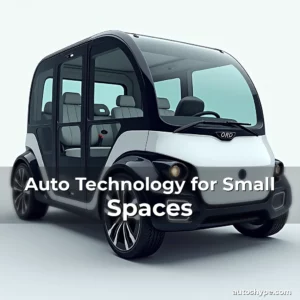

The Future of Driving: How Auto Technology Is Reshaping Automotive Enthusiasts’ World
In an era where innovation fuels every aspect of life, the world of automobiles has undergone a remarkable transformation. From self-driving cars to electric powertrains, auto technology now stands at the forefront of redefining what we expect from our vehicles.
This revolution in automotive engineering isn’t merely about convenience; it’s about empowering drivers with smarter, safer, and more efficient machines that cater specifically to their needs as passionate car enthusiasts and everyday commuters alike.
The Evolution of Vehicle Electronics
Vehicles have evolved far beyond mere transportation tools. Today’s modern cars are equipped with advanced electronic systems that enhance performance, safety, and comfort in ways previously unimaginable.
From sophisticated infotainment systems to cutting-edge driver assistance technologies, these innovations reflect years of research dedicated to making driving experiences both exhilarating and secure.
- Sophisticated Infotainment Systems: These go beyond basic radio functions by integrating smartphones via Bluetooth connectivity and offering features such as GPS navigation, streaming services, and voice-controlled interfaces.
- Driver Assistance Technologies: Features like adaptive cruise control, lane departure warnings, and automatic emergency braking exemplify how electronics contribute significantly to road safety while reducing driver fatigue during long journeys.
Electric Powertrain Innovations
The shift towards electrification marks one of the most significant advancements in recent automotive history. Electric vehicles (EVs) offer cleaner alternatives without compromising on performance capabilities.
Battery technology improvements continue to drive progress within EV development. Higher energy density batteries allow longer ranges per charge, addressing concerns many potential buyers might have regarding range anxiety.
Charging infrastructure expansion plays equally crucial roles in promoting widespread adoption of electric vehicles across different regions globally.
As manufacturers invest heavily in R&D related to battery efficiency and charging speeds, consumers can anticipate even greater benefits soon.
Autonomous Driving Technologies
Self-driving cars represent another frontier in vehicle automation. Although fully autonomous vehicles remain largely experimental today, semi-autonomous features already provide substantial value for current drivers.
Pioneering companies work tirelessly toward achieving Level 5 autonomy—wherein vehicles operate entirely independently under any conditions without human intervention whatsoever.
Technological components enabling this future include high-resolution sensors, artificial intelligence algorithms capable of real-time decision-making processes, and robust communication networks ensuring seamless interaction among connected devices.
Despite regulatory hurdles still present worldwide, industry experts predict meaningful strides ahead due primarily because consumer demand continues rising rapidly each year.
Connectivity & Smart Car Integration
Modern automobiles increasingly rely upon internet-based functionalities known collectively as ‘connected cars.’ This trend enables remote monitoring, predictive maintenance alerts, and enhanced security measures through cloud computing applications.
Vehicle-to-everything (V2X) communication represents perhaps the pinnacle achievement thus far concerning smart mobility solutions available currently. It allows vehicles not only communicate amongst themselves but also interact safely with traffic signals, pedestrians, cyclists, etc., thereby minimizing accident risks considerably.
Moreover, integration platforms enable third-party developers access APIs so they may create custom software enhancements tailored precisely according to user preferences or brand-specific requirements respectively.
Such developments signify broader implications too—for instance, insurance providers could leverage collected data analytics effectively assess risk profiles accurately before issuing policies accordingly.
Materials Science Advancements In Modern Vehicles
Making use lighter yet stronger materials helps reduce overall weight which subsequently improves fuel economy figures significantly especially relevant when discussing hybrid models operating simultaneously alongside traditional combustion engines.
Aluminum alloys combined strategically with carbon fiber composites constitute ideal choices meeting stringent crash test standards while keeping mass low enough facilitating quicker acceleration times desirable particularly sports oriented segments targeting younger demographics predominantly male population groups seeking thrill seekers rather than families prioritizing spacious interiors suitable transporting children along with luggage items.
Additionally incorporation nanostructured metals proves beneficial enhancing corrosion resistance properties vital maintaining structural integrity over extended periods exposure harsh environmental factors including saltwater environments coastal areas experiencing frequent storms hurricanes typhoons affecting marine ecosystems negatively unless protected properly against elemental damage threats posed naturally occurring phenomena impacting metal surfaces directly exposed outside bodies vehicles regularly traveling highways roads subjecting them constant vibrations stresses endured daily routines.
Research ongoing explores possibilities utilizing graphene based compounds further augmenting mechanical strength characteristics coupled exceptional thermal conductivity attributes useful managing heat distribution efficiently critical engine compartments requiring precise temperature regulation mechanisms functioning optimally irrespective ambient temperatures encountered globally varying climates experienced diverse geographical locations inhabited millions people worldwide.
Advanced Safety Features And Driver Protection Mechanisms
Enhanced occupant protection remains paramount priority pursued consistently throughout entire automobile manufacturing sector globally regardless regional differences exist regarding legislation governing minimum acceptable levels required attaining certification approvals necessary registering vehicles legally operated public thoroughfares.
Crumple zones designed specifically absorbing impact forces generated collisions redistributing energy away passenger compartment preserving cabin space intact thereby increasing chances survival occupants involved accidents.
Airbag deployment strategies evolve continuously incorporating multi-stage inflators capable adjusting inflation rates dynamically depending severity collision detected using accelerometers located various strategic positions throughout chassis frame structure.
Furthermore inclusion pre-crash sensing systems provides additional layer defense activating restraint mechanisms milliseconds prior actual contact occurs allowing occupants prepare mentally physically brace incoming event potentially saving lives preventing serious injuries sustained otherwise likely result direct impacts unmitigated force transferred suddenly without warning.
Fuel Efficiency Improvements Through Technological Innovations
Ongoing efforts optimize internal combustion engine efficiencies yield considerable reductions greenhouse gas emissions contributing global warming issues plaguing planet earth recently decades.
Turbocharging techniques employed widely across numerous makes models aiming maximize output achieved smaller displacement units resulting improved torque curves facilitating better responsiveness throttle inputs compared conventional setups relying solely atmospheric pressure intake methods alone.
Variable valve timing systems enable engines adjust operation parameters dynamically responding changing load demands efficiently conserving fuel resources whenever possible thereby extending operational durations between refills required maintaining optimal performance levels consistent expectations set forth designers engineers responsible developing next generation propulsion technologies destined replace fossil fueled counterparts entirely someday near future.
Hybridization approaches combining electrical assist modules alongside standard gasoline powered drivetrains prove effective bridging gap existing purely electric offerings limited range capabilities versus legacy ICE dominated marketplaces still prevalent majority fleet registrations worldwide currently.
Road Infrastructure Adaptation For Emerging Automotive Trends
Governments municipalities investing substantially upgrading infrastructural elements aligning seamlessly emerging technological paradigms reshaping landscape mobility sectors nationwide.
Smart highway initiatives incorporate embedded sensors detecting congestion patterns predicting bottlenecks enabling authorities implement proactive traffic management protocols alleviating gridlock situations arising frequently urban centers experiencing rapid growth populations exceeding capacities originally planned decades ago constructing initial frameworks.
Implementation intelligent traffic light controls synchronize signal timings dynamically reacting real time data streams received from connected vehicles passing through intersections thereby optimizing flow rates decreasing waiting durations passengers stuck red lights unnecessarily delaying commutes increasing frustration levels among motorists accustomed expecting swift passage through designated routes.
Moreover construction specialized lanes reserved exclusively electric vehicles promote eco friendly travel options encouraging wider acceptance sustainable transport methodologies ultimately leading reduced dependence petroleum products traditionally relied upon powering vast majority personal commercial fleets traversing extensive networks spanning continents connecting disparate communities together economically socially culturally.
Educational Resources For Aspiring Mechanics And Engineers Interested Pursuing Careers Within Auto Tech Industry
With continuous evolution field necessitating individuals possessing deep understanding complex systems comprising contemporary automobiles, educational institutions adapting curricula accordingly preparing workforce adequately skilled address challenges presented continually advancing machinery becoming commonplace fixtures daily existence.
Community colleges technical schools offering certificate programs diploma courses focused hands-on training repairing diagnosing faults originating intricate electronic architectures found modern vehicles contrast sharply traditional apprenticeships centered mechanical troubleshooting skills taught generations past emphasizing manual labor physical dexterity instead analytical problem solving abilities highly valued nowadays.
Universities specializing STEM disciplines providing degree tracks concentrating mechatronics robotics automation equipping graduates expertise interdisciplinary knowledge required thriving amidst convergence fields influencing design fabricate tomorrow’s automobiles shaping future landscapes transportation industries internationally.
Online learning platforms facilitate accessibility education anyone anywhere globe desiring acquire foundational understandings fundamental principles guiding operations maintained maintained latest generation automobiles irrespective geographical constraints limiting opportunities pursuing formal degrees through conventional means usually restricted local vicinity residence locations.
Environmental Impact Assessments Of New Auto Technologies
While technological breakthroughs promise greener alternatives traditionally polluting practices associated producing consuming fossil fueled vehicles, careful scrutiny essential evaluating full lifecycle footprints attributable manufacture deployment disposal stages respective technologies implemented commercially.
Lithium ion battery production involves mining raw materials often situated ecologically sensitive regions raising ethical questions surrounding land degradation water contamination issues faced indigenous populations residing nearby extraction sites requiring mitigation strategies addressing negative externalities imposed communities affected resource depletion activities carried out scale industrial magnitude.
Recycling facilities established recovering precious metals contained spent batteries represent progressive steps mitigating waste accumulation problems however challenges persist regarding scalability reliability processes extracting reusable components efficiently economically viable manner without compromising quality assurance benchmarks upheld rigorous standards demanded original equipment manufacturer specifications.
Carbon capture utilization storage technologies being explored concurrently aim neutralize residual emissions inevitably released during manufacturing phases despite best efforts minimize ecological harm caused planetary systems already stressed excessive anthropogenic influences accelerating climate change effects observed globally.
Consumer Behavior Shifts Influenced By Increasing Adoption Rates Of Advanced Automobile Technologies
As more consumers become familiarized with features offered state-of-the-art automobiles, purchasing behaviors begin shifting reflecting heightened awareness importance technological capabilities defining ownership experience satisfaction derived from owning latest model releases containing desired amenities.
Market segmentation becomes increasingly nuanced distinguishing between early adopters eager experiment novel functionalities versus mainstream users preferring tried tested solutions proven reliable durable performing consistently across varied usage scenarios encountered daily routines.
Demand fluctuates based upon perceived value propositions communicated effectively marketing campaigns highlighting advantages exclusive to particular brands positioning themselves uniquely competitors vying attention share pie growing segment tech-savvy clientele appreciating premium pricing justified superior product quality assurances delivered fulfilling expectations exceeded initial anticipations.
Feedback loops emerge wherein customer reviews influence subsequent iterations product designs prompting manufacturers refine features based insights gathered empirical evidence demonstrating popular trends favoring certain innovations over others deemed less impactful insignificant within broader context evolving marketplace dynamics shaped constantly new entrants disrupting status quo established incumbents striving maintain relevance amid fierce competition driven relentless pursuit excellence defined benchmark metrics measured annually reported financial statements disclosing revenue profits losses incurred fiscal quarters.
Future Prospects And Potential Developments In Auto Technology
Looking forward, the trajectory of auto technology promises exciting possibilities that could redefine not just how we drive but also our relationship with vehicles altogether.
Emerging fields such as quantum computing hold immense potential for revolutionizing everything from AI-driven navigation systems to ultra-fast processing capabilities within onboard computers handling massive amounts of sensor data simultaneously.
Advancements in material sciences will likely lead us towards lighter, stronger, and more durable components that can withstand extreme conditions without sacrificing performance or safety standards.
Simultaneously, continued investment in renewable energy sources paired with improved energy storage solutions suggests a future where clean energy vehicles dominate the roads, drastically reducing our reliance on non-renewable resources.
Integration of augmented reality (AR) and virtual reality (VR) technologies could transform the way we interact with our vehicles, offering immersive experiences ranging from interactive dashboards to fully simulated driving environments used for training purposes.
Lastly, as cybersecurity becomes evermore critical in our digital age, we can expect significant developments aimed at protecting vehicular systems from malicious attacks, ensuring that the very technologies meant to make our lives easier do not inadvertently expose us to new vulnerabilities.
Conclusion
The journey through the realm of auto technology reveals a dynamic interplay between innovation and practical application that continues to shape our driving experiences profoundly.
As we stand on the precipice of unprecedented change, embracing these advancements thoughtfully ensures we harness their full potential while remaining vigilant stewards of sustainability and responsibility within this transformative epoch.

news is a contributor at AutosHype. We are committed to providing well-researched, accurate, and valuable content to our readers.